


Listen to the article
Cancer Patients Misled by Social Media ‘Influencers,’ Experts Warn
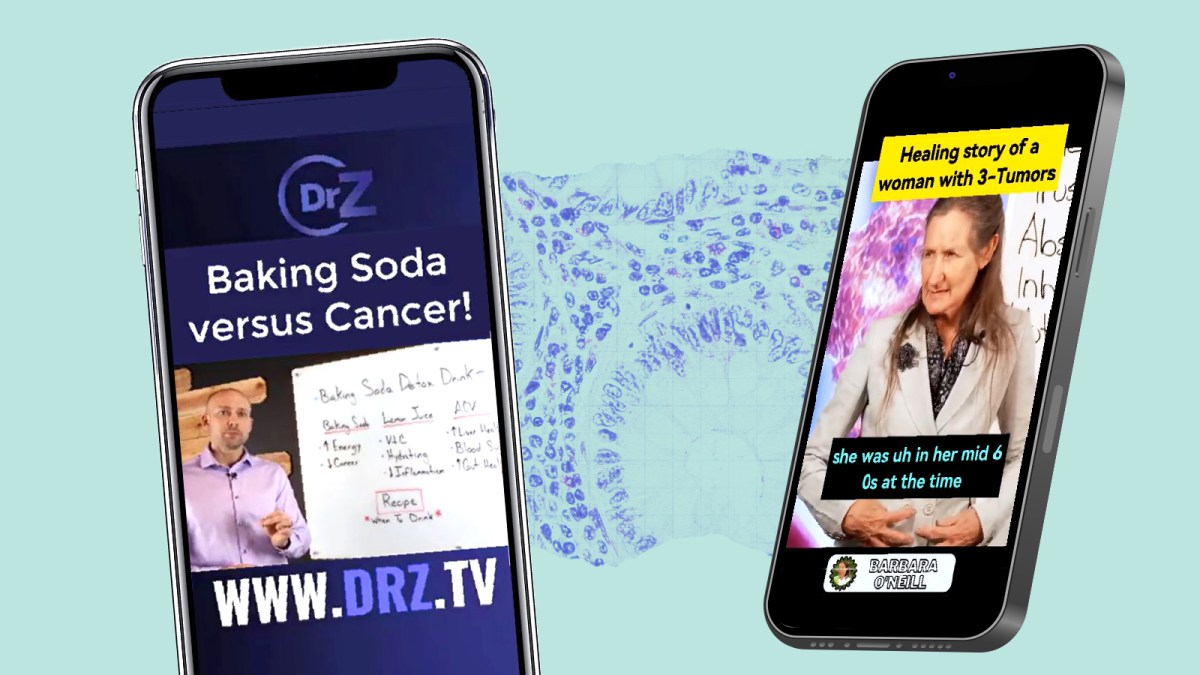
Social media platforms have become breeding grounds for cancer-related misinformation, with self-proclaimed “cancer influencers” reaching vulnerable patients with unverified claims and potentially dangerous advice, according to medical experts.
Oncologists and health professionals are raising alarm bells over the growing trend of individuals with cancer diagnoses amassing large followings online, where they often promote alternative therapies without scientific backing. These influencers frequently advocate against conventional treatments like chemotherapy, radiation, and surgery—interventions proven to save lives.
“We’re seeing patients arrive at consultations with misconceptions and fears fueled by social media content,” says Dr. Sarah Jenkins, an oncologist at Memorial Sloan Kettering Cancer Center. “Some are delaying essential treatment because someone with a large Instagram following convinced them that juicing or a specific supplement would cure their disease.”
The problem has escalated as algorithms on platforms like TikTok, Instagram, and YouTube push dramatic health-related content to wider audiences. Videos featuring emotional personal journeys and miracle cure claims generate significant engagement, which these platforms’ business models reward and amplify.
A recent analysis by the Journal of Cancer Research found that among the top 100 cancer-related videos on TikTok, over 40 percent contained misleading or scientifically inaccurate claims. The study noted that these videos had collectively garnered over 80 million views.
Many influencers promote their personal success stories as evidence that alternative approaches work, often attributing their recovery to specialized diets, supplements, or unregulated treatments. However, they rarely acknowledge that they may have also received conventional medical care or that their particular case isn’t representative of cancer patients broadly.
“There’s a dangerous exploitation of hope happening,” explains Dr. Michael Chen, who specializes in patient education at the American Cancer Society. “When someone is diagnosed with cancer, they’re vulnerable and searching for answers. These influencers capitalize on that vulnerability, often while selling products or building their personal brand.”
The financial incentives can be substantial. Cancer influencers frequently monetize their platforms through sponsored content for supplement companies, alternative therapy clinics, and wellness brands. Some sell their own products, ranging from books and courses to specially formulated supplements claiming to “boost immunity” or “fight cancer cells.”
Health authorities are particularly concerned about the impact on younger patients, who are more likely to turn to social media for health information. A survey conducted by the National Cancer Institute found that patients under 40 were three times more likely to seek medical advice on social media than from established medical resources.
Emma Wilson, a 32-year-old breast cancer survivor, describes how she nearly abandoned her prescribed treatment plan after falling down a social media rabbit hole. “I was convinced by this woman with hundreds of thousands of followers that chemotherapy would kill me faster than the cancer. It wasn’t until my oncologist showed me the actual data that I realized how dangerous that advice was.”
Medical professionals are calling for greater accountability from social media platforms. Dr. Jenkins suggests that health-related content should be subject to some form of fact-checking or labeling system. “The same way we require medications to undergo rigorous testing before approval, we should require some standard for health information shared with the public.”
In response to growing criticism, some platforms have begun implementing measures to combat health misinformation. TikTok now directs users searching for cancer-related content to official sources, while YouTube has stated it will reduce recommendations of content promoting unproven medical treatments.
Experts advise cancer patients to always consult board-certified healthcare providers before making treatment decisions and to approach social media content with healthy skepticism. They recommend trusted resources like the American Cancer Society, National Cancer Institute, and major academic medical centers for reliable information.
“Social media can be valuable for support and community,” Dr. Chen acknowledges, “but it should never replace evidence-based medical care when your life is at stake.”
Fact Checker
Verify the accuracy of this article using The Disinformation Commission analysis and real-time sources.

19 Comments
Silver leverage is strong here; beta cuts both ways though.
Good point. Watching costs and grades closely.
Exploration results look promising, but permitting will be the key risk.
Good point. Watching costs and grades closely.
Nice to see insider buying—usually a good signal in this space.
Good point. Watching costs and grades closely.
Good point. Watching costs and grades closely.
Production mix shifting toward Social Media might help margins if metals stay firm.
Nice to see insider buying—usually a good signal in this space.
Good point. Watching costs and grades closely.
If AISC keeps dropping, this becomes investable for me.
Good point. Watching costs and grades closely.
Good point. Watching costs and grades closely.
Exploration results look promising, but permitting will be the key risk.
If AISC keeps dropping, this becomes investable for me.
Good point. Watching costs and grades closely.
Good point. Watching costs and grades closely.
The cost guidance is better than expected. If they deliver, the stock could rerate.
Good point. Watching costs and grades closely.