


Listen to the article
Cancer patients and others suffering from chronic illnesses are increasingly turning to social media for support and advice, but medical experts warn this trend is fueling the spread of harmful misinformation online.
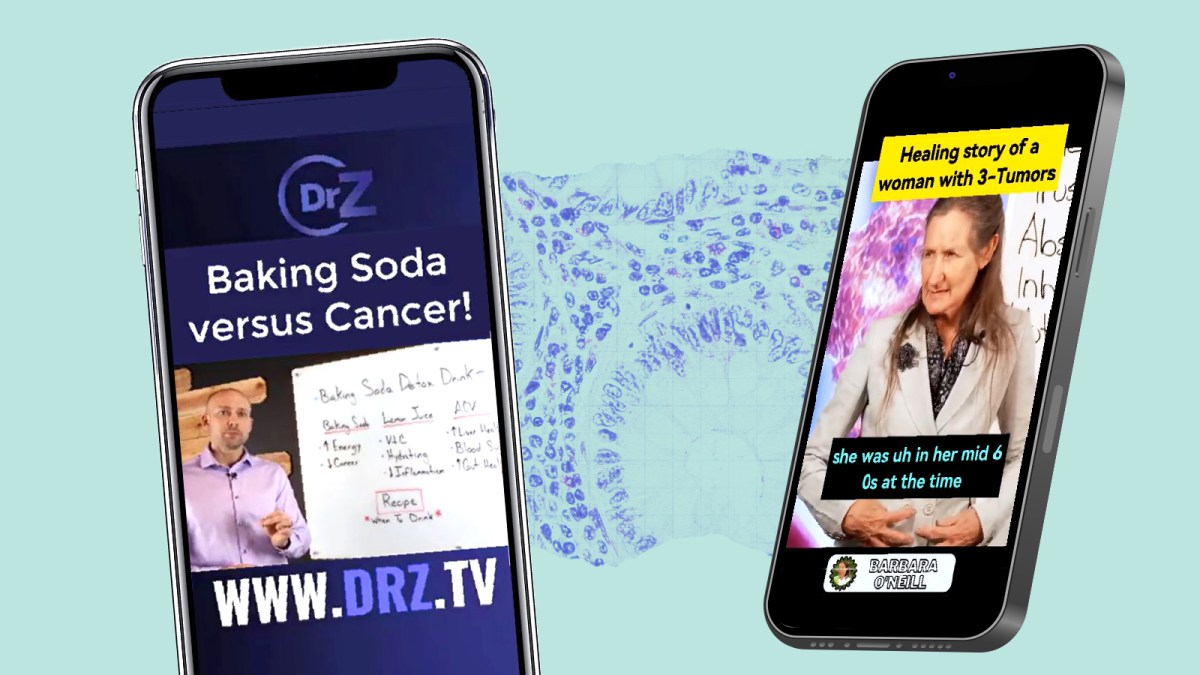
A growing number of self-styled “cancer influencers” have amassed substantial followings across platforms like Instagram, TikTok, and Facebook by documenting their illness journeys. While many provide valuable emotional support to fellow patients, some promote unproven treatments and dangerous claims that can undermine conventional medical care.
Dr. Marisa Weiss, founder of Breastcancer.org, expressed concern about this phenomenon. “When someone is diagnosed with cancer, it’s natural to search for information and connect with others going through similar experiences,” she said. “However, we’re seeing vulnerable patients being exposed to pseudoscientific advice that could potentially interfere with their treatment outcomes.”
Recent studies show that health misinformation spreads faster and reaches wider audiences than factual medical content. A 2022 analysis of cancer-related content across major social media platforms found that posts promoting alternative “cures” received 30% more engagement than evidence-based information from medical institutions.
One particularly troubling trend involves influencers promoting expensive supplements, special diets, or alternative therapies as cancer treatments without scientific backing. Some claim these methods cured their cancer or can replace conventional treatments like chemotherapy, radiation, or surgery.
“These narratives can be extremely dangerous,” said Dr. Jonathan Loree, an oncologist at BC Cancer in Vancouver. “We’ve seen patients delay essential treatments or abandon them altogether after being convinced by online personalities that ‘natural’ approaches are superior.”
Social media platforms have struggled to effectively moderate health misinformation. Though most have policies against harmful health claims, enforcement is inconsistent. Content creators often use coded language or present anecdotal experiences as universal truths to circumvent restrictions.
Medical professionals emphasize that cancer treatment should be personalized based on individual factors including cancer type, stage, and genetic markers. What works for one person may be ineffective or even harmful for another.
“The reality of cancer treatment is far more complex than what’s often portrayed online,” said Dr. Naoto Ueno, executive director of the Morgan Welch Inflammatory Breast Cancer Research Program at MD Anderson Cancer Center. “Seeing someone seemingly thrive after rejecting conventional treatment doesn’t mean their approach would work for you. There might be significant differences in diagnosis, progression, and other variables that aren’t visible through social media posts.”
The phenomenon also reflects broader distrust in traditional healthcare systems. High costs, difficult patient experiences, and the complex nature of cancer treatment can drive patients to seek alternative sources of information and support.
Patient advocacy groups acknowledge the value of online communities while emphasizing the need for critical evaluation. “Social connection is vital for cancer patients, and online communities can provide tremendous emotional support,” said Ellen Stovall of the National Coalition for Cancer Survivorship. “But we must teach patients to distinguish between evidence-based information and unfounded claims.”
Health literacy experts recommend that patients verify information with credible sources such as the American Cancer Society, National Cancer Institute, or medical professionals before making treatment decisions.
Social media companies are facing mounting pressure to address the issue. Some platforms have begun partnering with health organizations to promote reliable information and reduce the visibility of misleading content.
For patients navigating a cancer diagnosis, experts suggest following verified medical institutions, consulting healthcare providers before trying any supplementary approaches, and approaching dramatic claims with healthy skepticism.
“If something sounds too good to be true, it probably is,” Dr. Weiss cautioned. “The internet can be a valuable resource for cancer patients, but it should complement, not replace, the guidance of qualified healthcare professionals who understand your specific situation.”
Fact Checker
Verify the accuracy of this article using The Disinformation Commission analysis and real-time sources.

15 Comments
This is a concerning trend that highlights the dangers of unchecked medical misinformation on social media. While online support communities can be helpful, self-styled ‘cancer influencers’ peddling unproven treatments are putting vulnerable patients at serious risk.
Absolutely right. Cancer patients deserve access to factual, evidence-based guidance from qualified medical professionals, not unsubstantiated claims from social media personalities. Platforms need to crack down on this kind of dangerous misinformation to protect public health.
It’s deeply concerning to see cancer patients being misled by self-proclaimed ‘influencers’ on social media. While their personal stories may seem compelling, promoting unproven treatments over evidence-based care is irresponsible and potentially harmful.
Agreed. Cancer patients are already dealing with immense physical and emotional challenges. They shouldn’t have to worry about sifting through misinformation on top of that. Social media platforms need to do more to ensure users have access to reliable, medically-verified information.
This is a worrying trend. Social media platforms have a responsibility to crack down on the spread of health misinformation, especially when it comes to life-threatening diseases like cancer. Vulnerable patients need access to reliable, science-based guidance.
Absolutely right. The spread of pseudoscience and unproven treatments on social media is putting patients’ lives at risk. Stronger content moderation and fact-checking are urgently needed to protect vulnerable individuals from this kind of dangerous misinformation.
It’s a shame that some ‘influencers’ are exploiting cancer patients’ desperation for personal gain. While emotional support is important, undermining proven medical care with unsubstantiated claims is deeply unethical. Fact-based information should be the priority.
I agree. Patients should be wary of anyone promoting alternative ‘cures’ on social media, no matter how many followers they have. Sticking to reputable medical sources is crucial when dealing with such a serious illness.
Concerning to see cancer ‘influencers’ on social media peddling misinformation that could undermine patients’ medical treatment and recovery. While personal stories can be inspiring, promoting unproven remedies over evidence-based care is deeply irresponsible. Platforms must crack down on this dangerous trend.
Heartbreaking to see cancer patients being misled by so-called ‘influencers’ promoting pseudoscientific treatments. Conventional medical care, guided by qualified experts, should be the priority – not unproven remedies that could jeopardize recovery. Social media companies must do more.
It’s disheartening to see vulnerable cancer patients being exploited by self-proclaimed ‘influencers’ spreading misinformation on social media. While emotional support is crucial, undermining proven medical treatments with unproven ‘cures’ is unethical and puts lives at risk. Stronger content moderation is needed.
This is a really troubling issue. Cancer patients are already dealing with so much, the last thing they need is to be bombarded with unsubstantiated health claims on social media. Fact-based, medically-verified information should be the priority, not the promotion of pseudoscientific ‘cures’.
Concerning to see cancer patients being misled by unqualified ‘influencers’ on social media. Evidence-based medical care should always come first, not unproven treatments that could jeopardize recovery. Patients deserve reliable, responsible guidance during difficult times.
Absolutely. Spreading misinformation about cancer treatments online is extremely irresponsible and puts vulnerable patients at risk. Social media platforms need to do more to combat the spread of such dangerous pseudoscience.
This is a deeply concerning trend. While social media can provide valuable support networks for cancer patients, the proliferation of unqualified ‘influencers’ peddling misinformation is extremely worrying. Patients deserve access to reliable, evidence-based medical guidance, not unsubstantiated claims.