


Listen to the article
Cancer ‘Influencers’ Under Fire for Spreading Health Misinformation on Social Media
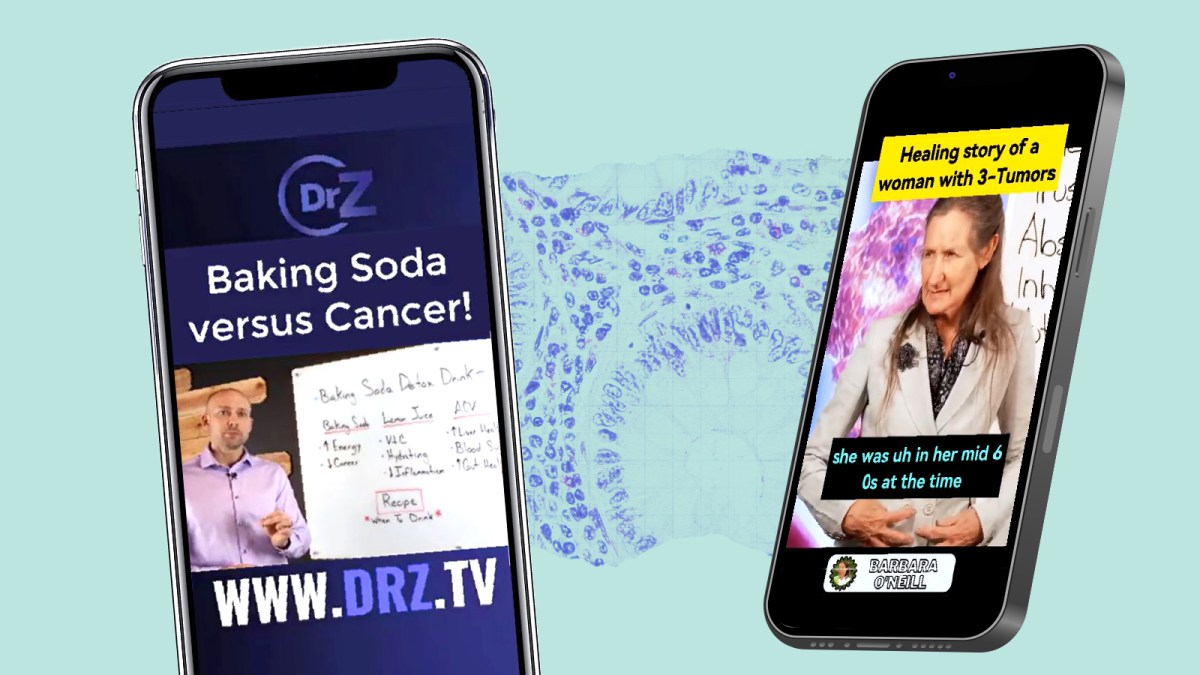
Medical experts are sounding the alarm over the growing phenomenon of cancer “influencers” who are using social media platforms to spread potentially dangerous misinformation about treatments and cures.
These self-proclaimed health advisors, many of whom have personally battled cancer, have amassed substantial followings on platforms like Instagram, TikTok, and YouTube. While some share legitimate accounts of their cancer journeys, others have veered into promoting unproven or debunked treatments, often with financial incentives tied to alternative health products.
Dr. Karol Sikora, a leading oncologist and former director of the WHO Cancer Program, expressed serious concerns about the trend. “Social media has created an ecosystem where anyone can position themselves as a health authority without proper credentials or scientific understanding,” Dr. Sikora said. “The danger comes when vulnerable patients, desperate for hope, encounter these messages and abandon evidence-based treatments.”
The misinformation spans a wide range of claims, from promoting exclusive juice diets as cancer cures to suggesting that chemotherapy is more harmful than helpful. Some influencers advocate for expensive supplements, special detox programs, or alternative therapies that lack scientific validation.
Cancer Research UK has documented dozens of cases where patients delayed conventional treatment after being influenced by social media content. In several instances, patients arrived at clinics with advanced disease progression after initially pursuing alternative approaches promoted online.
“The psychological aspect cannot be overlooked,” explains Dr. Emma Richardson, a psycho-oncologist at University College London. “A cancer diagnosis creates tremendous vulnerability. When someone with a large following and personal cancer experience makes confident claims about alternative treatments, it can be extremely persuasive, even when those claims contradict medical consensus.”
The problem has accelerated during the past three years, coinciding with the pandemic-driven surge in social media use and growing distrust in traditional institutions. Health misinformation researchers estimate that cancer-related false claims increased by nearly 70% between 2020 and 2023.
Platform responses have been inconsistent. While YouTube and TikTok have implemented some measures to flag misleading health content, enforcement remains spotty. Instagram has been particularly criticized for algorithm recommendations that can lead users from legitimate cancer support content to accounts promoting unproven therapies.
“We’re seeing a perfect storm,” notes Dr. Claire Wardle, an expert in digital misinformation at Brown University. “Social media platforms prioritize engagement, and health misinformation—especially content offering simple solutions to complex problems—generates significant engagement. The business model itself incentivizes these problematic narratives.”
The financial aspects further complicate matters. Many cancer influencers monetize their platforms through affiliate marketing of supplements, alternative treatments, or online courses. Some command thousands of dollars for sponsored content from wellness brands looking to reach cancer patients.
Medical organizations are now developing countermeasures. The American Society of Clinical Oncology recently launched a digital literacy initiative to help patients evaluate online health information critically. In the UK, the NHS has partnered with several cancer charities to create verified content addressing common misinformation narratives.
Regulatory bodies are also taking notice. The Advertising Standards Authority in the UK has investigated several cases of cancer influencers making unsubstantiated health claims, while the FDA in the United States has issued warning letters to companies using influencers to market unapproved cancer treatments.
Experts emphasize that not all cancer content creators spread misinformation. Many provide valuable emotional support and accurate information about navigating the healthcare system after a diagnosis.
“The solution isn’t to dismiss all cancer content on social media,” says Dr. Sikora. “Rather, we need better tools to help patients distinguish between evidence-based information and dangerous claims, along with stronger platform accountability for health misinformation.”
For patients and families navigating cancer information online, medical professionals recommend consulting reputable organizations like the American Cancer Society, Cancer Research UK, or the National Cancer Institute for guidance on treatments and supportive care.
Fact Checker
Verify the accuracy of this article using The Disinformation Commission analysis and real-time sources.

6 Comments
This is a tricky issue. On one hand, personal cancer stories can be inspiring and motivational. But on the other, spreading unproven treatments online could have dangerous consequences. A balanced approach is needed to harness the positive while mitigating the risks.
It’s troubling to see cancer ‘influencers’ profit off of vulnerable patients with unsubstantiated claims. While their intentions may be well-meaning, the potential harm is severe. Strict regulation and fact-checking of health-related content on social media is sorely needed.
This is a concerning trend. While personal cancer stories can be inspirational, it’s crucial that influencers provide scientifically-backed information from credible medical sources. Promoting unproven treatments could put vulnerable patients at serious risk.
This is a complex issue without easy solutions. While personal cancer stories can be uplifting, the proliferation of misinformation on social media is extremely concerning. Oncologists and other medical experts need to be the primary voice in this space, not self-proclaimed ‘gurus’.
I agree, social media has made it far too easy for anyone to position themselves as a health expert without the proper credentials. Oncologists and other medical professionals should be the primary source of cancer treatment guidance, not self-proclaimed ‘influencers’.
Absolutely. Patients need to be very wary of miracle cures or alternative therapies pushed by influencers, no matter how compelling the personal stories may seem. Sticking to evidence-based treatments recommended by qualified doctors is the safest approach.