


Listen to the article
Cancer ‘Influencers’ Using Social Media to Spread Dangerous Misinformation
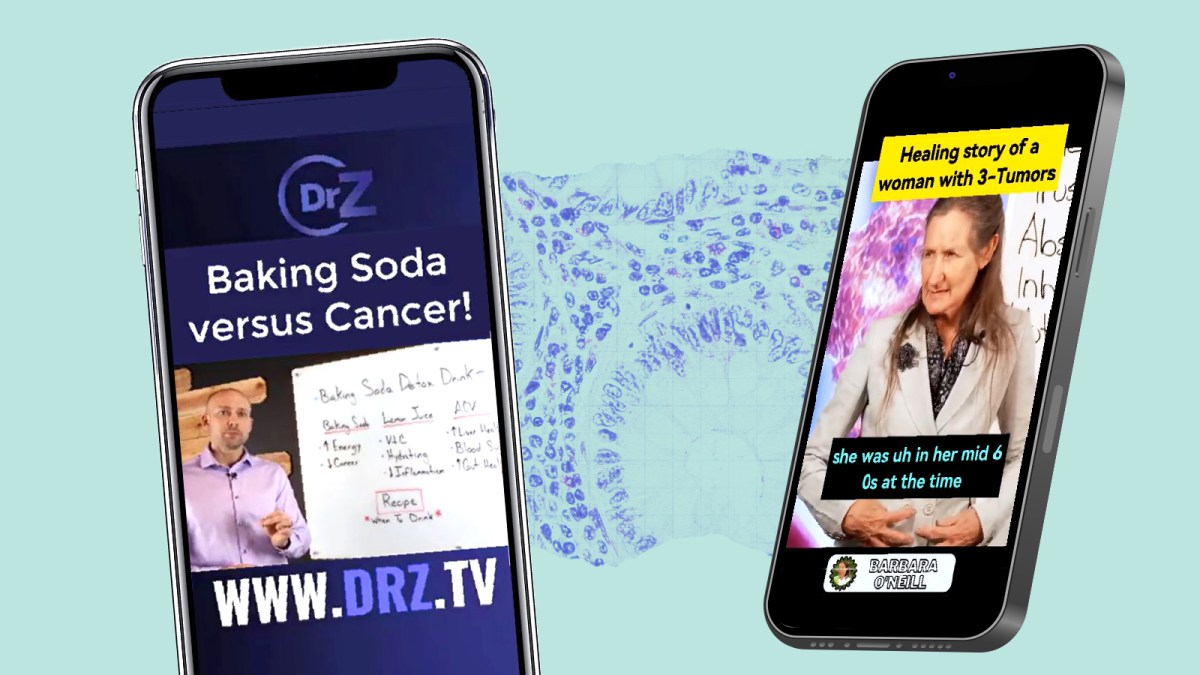
Medical experts are raising alarms over the growing phenomenon of cancer “influencers” who are using social media platforms to spread unverified claims and potentially harmful misinformation to vulnerable audiences.
These self-styled health experts, many with large followings across platforms like Instagram, TikTok, and YouTube, frequently promote unproven alternative treatments while dismissing or discouraging conventional medical interventions that have scientific backing.
Oncologists report an increasing number of patients arriving at consultations having already formed opinions based on content viewed online. Dr. James Marshall, a consultant oncologist at London’s Royal Marsden Hospital, describes a troubling trend where patients question evidence-based treatments after consuming misleading content online.
“We’re seeing patients who are terrified of chemotherapy because someone on TikTok told them it’s ‘poison,'” Marshall explained. “Some arrive convinced that dietary changes alone can cure their cancer, often based on anecdotal stories from influencers who claim to have healed themselves naturally.”
The problem has accelerated during the post-pandemic period, with cancer-related content proliferating across social media. The hashtag #cancertreatment has over 2 billion views on TikTok alone, with content ranging from legitimate patient journeys to dubious treatment claims.
Research published last month in the Journal of Medical Internet Research analyzed 200 cancer-related videos across major platforms and found that approximately 32 percent contained misleading claims or factual inaccuracies. More concerning, these videos often received higher engagement than medically accurate content.
Many influencers monetize their platforms through sponsored content promoting supplements, specialized diets, or alternative therapies. The global cancer supplement market is projected to reach $2.3 billion by 2026, according to market research firm Grand View Research, highlighting the financial incentives behind such content.
Emma Phillips, who was diagnosed with stage 3 breast cancer in 2021, describes feeling overwhelmed by the online information landscape during her treatment. “When you’re vulnerable and scared, these confident voices promising miracle cures are incredibly persuasive,” she said. “I nearly delayed my surgery because an influencer convinced me that a special diet could shrink my tumor naturally.”
Medical professionals emphasize that while lifestyle factors play important roles in cancer prevention and recovery, they cannot replace evidence-based medical interventions. Dr. Sarah Chen, an oncologist and public health researcher at the University of California, warns about the potential consequences of misinformation.
“The most dangerous content doesn’t necessarily tell patients to refuse conventional treatment outright,” Chen noted. “Instead, it creates doubt and fear about proven therapies while overstating the benefits of unproven alternatives. This subtle approach can be more persuasive than outright denial of medical science.”
Social media platforms have implemented policies against harmful health misinformation, but enforcement remains inconsistent. Content moderation systems struggle to identify nuanced medical misinformation, especially when presenters use careful language that stops short of making direct medical claims.
Cancer charities and medical organizations are responding by increasing their own social media presence. Cancer Research UK has launched initiatives to counter misinformation with accessible, evidence-based content designed specifically for social platforms.
“We recognize that people naturally seek information online after a cancer diagnosis,” said Dr. Michelle Thompson, head of health information at Cancer Research UK. “Rather than criticizing patients for looking online, we need to ensure accurate, compassionate information is readily available where people are already searching.”
Experts suggest that healthcare providers should proactively discuss online information with patients, acknowledging their research while providing guidance on evaluating sources critically.
As the digital information landscape continues to evolve, the challenge of distinguishing between harmful misinformation and beneficial patient support communities remains significant for both healthcare providers and patients navigating cancer diagnoses in the social media age.
Fact Checker
Verify the accuracy of this article using The Disinformation Commission analysis and real-time sources.

7 Comments
This is a concerning trend. Social media ‘influencers’ spreading unverified medical claims can have serious consequences for vulnerable patients. Doctors need to counter this misinformation with factual, evidence-based information.
The spread of misinformation on social media is a real public health issue. Doctors and regulators need to find ways to combat these ‘cancer influencers’ and ensure patients have access to accurate, science-based information.
While social media allows for the rapid spread of information, it also enables the dissemination of dangerous misinformation. Stricter regulations and better digital literacy education may be needed to curb the influence of these ‘cancer influencers’.
It’s alarming that patients are starting to question proven cancer treatments based on unsubstantiated claims from social media personalities. Doctors should work to educate the public on the dangers of such misinformation.
Absolutely. Patients need to be cautious about taking medical advice from unqualified online sources and instead rely on guidance from licensed professionals.
This is a concerning trend that could have serious consequences for vulnerable patients. Doctors should be proactive in countering misinformation on social media and educating the public on the importance of evidence-based treatments.
Agreed. Patients should always consult licensed medical professionals rather than relying on unverified claims from social media ‘experts’.