


Listen to the article
Cancer ‘Influencers’ Spreading Dangerous Misinformation Across Social Media Platforms
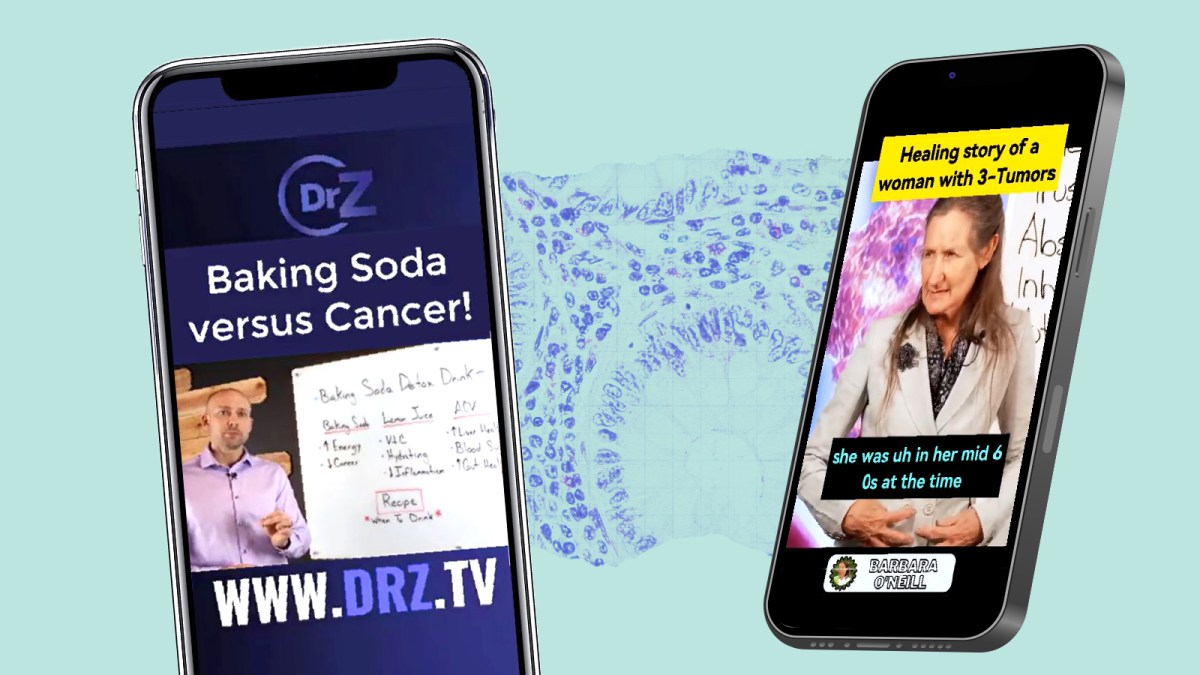
Social media platforms are becoming breeding grounds for cancer misinformation, as self-proclaimed health experts and cancer “influencers” amass large followings while promoting unproven treatments and dangerous medical advice, health experts warn.
The problem has reached alarming levels with some influencers accumulating hundreds of thousands of followers across platforms like Instagram, TikTok, and YouTube. Many position themselves as alternative voices to mainstream medicine, often promoting their personal cancer journey while selling products or services with dubious scientific backing.
Dr. Marisa Weiss, founder of Breastcancer.org, expressed concern about the trend. “We’re seeing patients come into clinics having already decided against conventional treatment because of something they’ve seen online,” she said. “This is literally putting lives at risk when people delay evidence-based treatments in favor of unproven alternatives.”
The influencers typically follow a recognizable pattern: sharing personal cancer experiences, questioning established medical treatments, and then offering alternative solutions they claim mainstream medicine is suppressing. Their content often contains emotional appeals that resonate with vulnerable patients seeking hope during a frightening diagnosis.
One concerning case involves a wellness influencer with over 200,000 followers who claims to have “healed” her stage 4 breast cancer through a combination of herbs, extreme dieting, and expensive supplements she sells through her website. Oncologists point out that while her cancer may be in remission, attributing this to unproven methods rather than the chemotherapy she initially received is dangerously misleading.
Medical professionals are particularly troubled by the growing “anti-chemotherapy” sentiment spreading online. Videos with hashtags like #cancertruth and #suppressed cures receive millions of views, despite containing claims that contradict decades of medical research and clinical trials.
“These influencers often mix some legitimate health advice with dangerous misinformation, making it harder for patients to distinguish fact from fiction,” explained Dr. Timothy Johnson, an oncologist at Memorial Sloan Kettering Cancer Center. “They use scientific-sounding terminology while fundamentally misrepresenting how cancer and treatments work.”
The financial incentives for cancer influencers are substantial. Beyond direct product sales, many earn through sponsored content, affiliate marketing, and consultation services. Some charge hundreds of dollars for private coaching sessions where they advise cancer patients on alternative treatments, despite having no medical qualifications.
Social media platforms have been criticized for their inadequate response to medical misinformation. While most have policies against harmful health content, enforcement remains inconsistent. A recent study found that less than 20% of reported cancer misinformation videos were removed from major platforms, even when they contained demonstrably false claims.
Cancer charities and medical organizations are fighting back by creating their own social media content to counter misinformation. The American Cancer Society recently launched a digital literacy campaign helping patients evaluate online health information critically.
“We need to meet patients where they are, which increasingly means social media,” said Karen Smith of the American Cancer Society. “Rather than simply telling patients to avoid these platforms, we need to equip them with tools to identify credible sources and recognize red flags.”
For cancer patients navigating this digital landscape, experts recommend several precautions: verify information with credible medical sources like the National Cancer Institute or major cancer centers, discuss online information with healthcare providers, be skeptical of anyone selling products while providing medical advice, and seek support from moderated patient communities vetted by established cancer organizations.
As social media continues transforming how health information spreads, the battle against cancer misinformation represents a critical public health challenge requiring coordinated action from medical professionals, technology companies, and informed consumers alike.
Fact Checker
Verify the accuracy of this article using The Disinformation Commission analysis and real-time sources.

9 Comments
While personal stories can be compelling, it’s critical that people seek out information from reputable medical sources when it comes to cancer treatment. Influencers promoting unproven alternatives could lead vulnerable patients to delay or forgo effective, evidence-based care.
Absolutely. Mainstream medical treatments may not always be perfect, but they are backed by rigorous scientific research and clinical trials. Patients deserve accurate information to make informed choices about their health.
It’s worrying to see cancer ‘influencers’ amassing large followings while peddling unproven treatments. Patients need to be very cautious about taking medical advice from social media personalities rather than qualified healthcare professionals.
This is a concerning trend that speaks to the need for better digital literacy and fact-checking when it comes to health information online. Platforms should also do more to identify and limit the spread of medical misinformation by influential accounts.
This is a concerning trend that could have serious consequences for cancer patients. Spreading misinformation about cancer treatments on social media is irresponsible and potentially dangerous. Patients should always consult their doctors before making any major medical decisions.
While personal stories can be powerful, it’s crucial that cancer patients rely on evidence-based treatments recommended by their doctors, not unproven alternatives promoted by social media influencers. Misinformation can literally cost lives.
The rise of cancer misinformation on social media is a troubling development. Patients should always consult their doctors and seek out information from reputable medical sources, not self-proclaimed ‘experts’ with questionable credentials.
This highlights the importance of critical thinking when it comes to health information online. Just because someone has a large social media following doesn’t mean they are a credible source of medical advice, especially for serious conditions like cancer.
Exactly. Influencers may have compelling personal stories, but that doesn’t make them qualified to advise patients on complex medical decisions. It’s a dangerous trend that could lead vulnerable people astray.