


Listen to the article
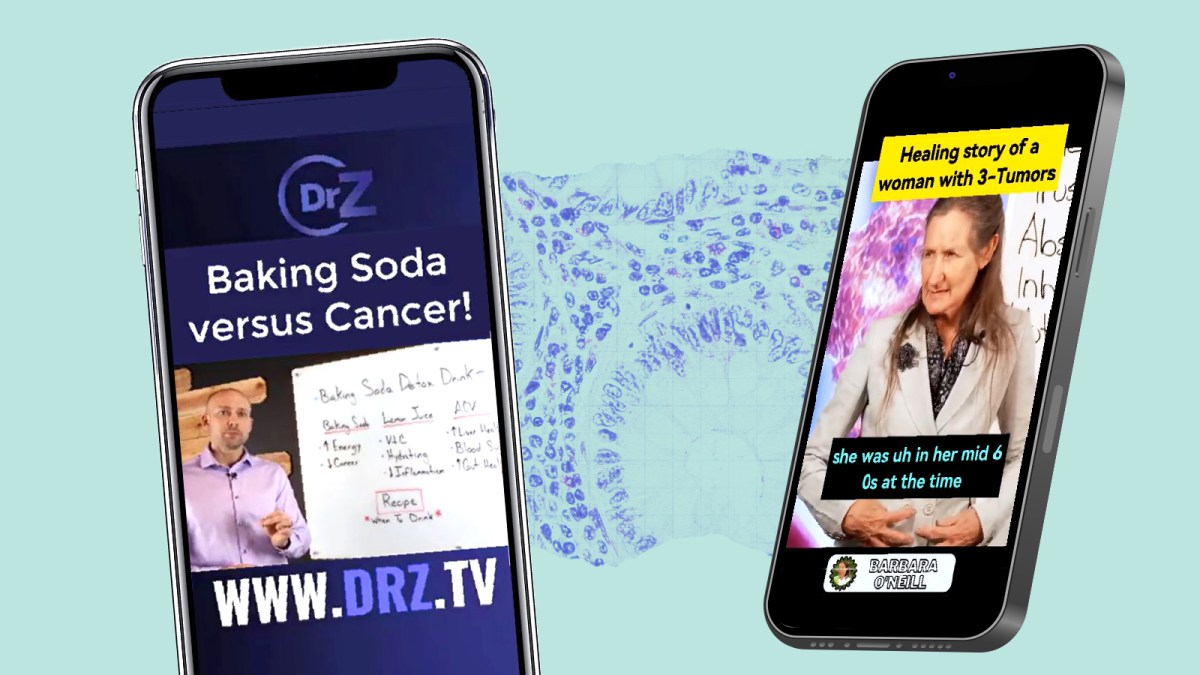
Researchers and medical professionals are raising alarms over the growing phenomenon of cancer “influencers” who spread dangerous misinformation across social media platforms, potentially endangering vulnerable patients seeking treatment options.
A new investigation has revealed that individuals with significant online followings are promoting unproven or debunked treatments to cancer patients, often while monetizing their content through partnerships with companies selling alternative remedies. These influencers typically combine personal cancer journeys with unsubstantiated claims about alternative treatments, creating content that appears authentic and trustworthy to audiences desperate for hope.
Dr. Sarah Mitchell, an oncologist at Memorial Cancer Institute, expressed serious concerns about the trend. “We’re seeing patients come in who have delayed conventional treatment because they’ve been convinced by these influencers that essential oils or extreme diets will cure their cancer. By the time they seek medical care, their disease has often progressed significantly,” she said.
The investigation identified dozens of accounts across Instagram, TikTok, and YouTube with followers ranging from tens of thousands to millions. Common misleading claims include assertions that conventional cancer treatments like chemotherapy are “poison,” while promoting unregulated supplements, restrictive diets, or expensive alternative therapies as “natural cures.”
Health misinformation researchers note that cancer content performs particularly well on social media algorithms due to emotional storytelling and the universal fear of the disease. Videos featuring before-and-after transformations or testimonials about “curing” cancer naturally frequently receive millions of views.
“These platforms create perfect conditions for misinformation to flourish,” explained digital health researcher Dr. James Cooper. “The algorithms prioritize engagement over accuracy, and emotional cancer stories drive tremendous engagement, regardless of their medical validity.”
The financial incentives for cancer influencers can be substantial. Many promote affiliate links to supplement companies, alternative clinics, or their own product lines, earning commissions on sales. Some charge thousands for personal consultations or membership in private support groups promising exclusive healing information.
Social media platforms have taken limited steps to address medical misinformation. A TikTok spokesperson stated the company removes content that “promotes harmful misinformation” and has implemented warning labels on some cancer-related videos. However, critics argue these measures are insufficient and inconsistently applied.
Medical professionals are particularly concerned about how these influencers target vulnerable demographics. “Many cancer patients experience fear and uncertainty following diagnosis, making them susceptible to promises of easier or more natural treatments,” said Dr. Elena Gomez, who specializes in psycho-oncology at University Medical Center.
The American Cancer Society has launched a digital literacy campaign to help patients evaluate online health information critically. “We recognize that patients will search online for information, so we’re focused on giving them tools to distinguish evidence-based content from misinformation,” said Robert Johnson, the organization’s director of patient education.
For cancer patients like Michelle Torres, who was diagnosed with stage 3 breast cancer last year, navigating social media advice proved challenging. “I was overwhelmed after my diagnosis and found myself drawn to these accounts promising gentle cures without side effects,” she said. “Fortunately, my oncologist helped me understand why conventional treatment offered the best chance of survival.”
Medical experts emphasize that while complementary approaches like meditation, certain dietary changes, and stress reduction techniques can support conventional cancer treatment, they should never replace evidence-based medical care.
The issue reflects a broader crisis of health misinformation that accelerated during the COVID-19 pandemic. Public health experts are calling for stronger platform policies, improved health literacy education, and greater accountability for influencers who profit from medical claims without appropriate credentials or evidence.
“We respect patients’ autonomy in making treatment decisions,” said Dr. Mitchell, “but those decisions should be based on accurate information, not dangerous myths promoted by individuals with financial conflicts of interest.”
Fact Checker
Verify the accuracy of this article using The Disinformation Commission analysis and real-time sources.

10 Comments
This report highlights a really troubling trend. Influencers promoting alternative cancer cures are exploiting vulnerable people and putting their health at serious risk.
Agreed. These influencers should face serious consequences for the harm they’re causing.
This is really concerning. Spreading unproven cancer treatments online can have serious consequences for vulnerable patients. Doctors should work to educate the public on reliable cancer information sources.
I’m glad this report is shining a light on the problem of cancer misinformation on social media. Influencers need to be held accountable for the potentially harmful advice they’re giving.
It’s worrying to hear that cancer patients are delaying proper treatment due to misinformation from social media influencers. More needs to be done to regulate this kind of harmful content.
Absolutely. Social media platforms have a responsibility to crack down on the spread of dangerous medical misinformation.
It’s alarming to see cancer patients being misled by influencers spreading misinformation online. More education and oversight is needed to protect vulnerable people seeking treatment.
Preying on cancer patients’ desperation with false hope is completely unacceptable. These influencers should face consequences for putting people’s lives at risk.
Agreed. Patients deserve access to evidence-based treatments, not unsubstantiated alternative remedies.
This is a really concerning issue. Patients need access to factual, evidence-based information about cancer treatments, not unproven claims from social media influencers.