


Listen to the article
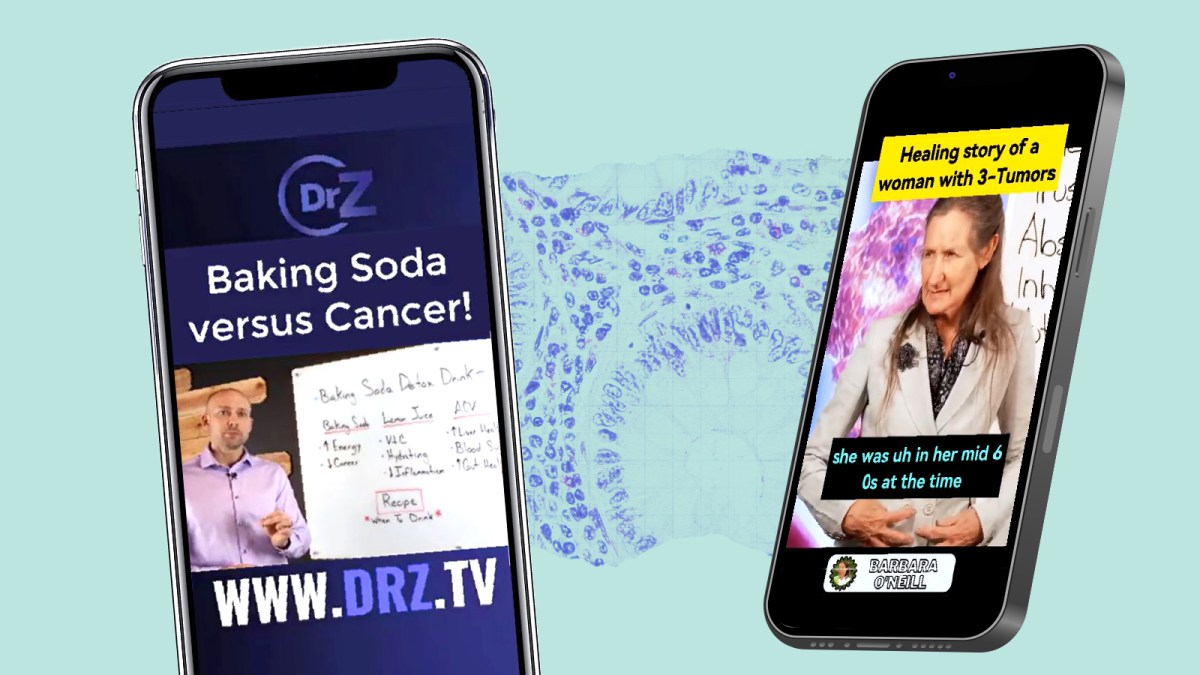
In an era where social media shapes public opinion, health misinformation has found a new conduit: cancer “influencers” who are amassing large followings while spreading unproven or dangerous advice about treatments and prevention.
Health experts are raising alarm about the growing trend of individuals who, after receiving cancer diagnoses, build substantial social media presences by documenting their journeys. While many provide legitimate support and information, a concerning subset promotes pseudoscientific remedies or misleading claims about conventional treatments.
“We’re seeing patients come in with deeply entrenched misconceptions about their treatment options,” says Dr. Elena Rodriguez, an oncologist at Memorial Sloan Kettering Cancer Center. “Many are hesitant about proven therapies like chemotherapy because they’ve absorbed negative messaging from social media personalities they trust.”
The problem has accelerated during the past three years as social media algorithms increasingly reward emotional content and controversial claims with greater visibility. Cancer-focused accounts that promote alternative remedies often receive higher engagement than those sharing evidence-based information.
One account with over 300,000 followers claims that baking soda and lemon juice mixtures can “neutralize cancer cells,” despite no scientific evidence supporting such assertions. Another influencer with a verified account suggests that conventional oncology is a “scheme” designed to keep patients sick for profit.
The American Society of Clinical Oncology has documented cases where patients delayed potentially life-saving treatments after following advice from social media figures. In one instance, a 42-year-old breast cancer patient postponed recommended surgery for six months while pursuing a diet regime promoted by an influencer, allowing her early-stage cancer to progress significantly.
“The relationship between these influencers and their followers is particularly powerful because it’s built on shared trauma and vulnerability,” explains Dr. Samantha Winters, a health communication researcher at Johns Hopkins University. “When someone is facing a life-threatening diagnosis, they’re understandably seeking hope and connection, which makes them more susceptible to misinformation.”
The financial incentives behind such content are substantial. Cancer influencers can generate revenue through sponsored content for supplement companies, alternative therapy clinics, and “wellness” products. Some sell their own merchandise or programs, with prices ranging from $50 for e-books to thousands for personalized “healing protocols.”
Major platforms including Instagram, TikTok, and YouTube have policies against harmful health misinformation, but enforcement remains inconsistent. Content often uses coded language to evade detection, with influencers referring to “natural healing modalities” rather than making direct claims about curing cancer.
Reputable cancer organizations are now developing counter-strategies. The American Cancer Society has launched a digital literacy initiative to help patients evaluate online health information critically. Memorial Sloan Kettering has created a series of accessible videos addressing common cancer myths that circulate on social media.
“We need to meet patients where they are,” says Dr. Michael Chen, who directs digital engagement for a major cancer research foundation. “If they’re getting information from TikTok and Instagram, that’s where evidence-based voices need to be as well, communicating in accessible, engaging ways.”
Healthcare providers are increasingly incorporating discussions about social media into patient consultations. Some oncology practices now provide patients with curated lists of reliable online resources and warning signs of misinformation.
For patients navigating cancer diagnoses, experts recommend following accounts maintained by established medical institutions, checking whether claims are supported by peer-reviewed research, and discussing information found online with healthcare providers.
“The democratization of information through social media has many benefits,” notes Dr. Rodriguez. “But when it comes to life-threatening conditions like cancer, the stakes of misinformation are incredibly high. We need both better platform policies and more digital literacy among patients.”
Fact Checker
Verify the accuracy of this article using The Disinformation Commission analysis and real-time sources.

10 Comments
I’m curious to learn more about the specific types of misinformation being spread by these cancer influencers. What kinds of alternative remedies or treatments are they promoting, and how do they compare to conventional, evidence-based therapies?
That’s a good question. The article mentions some cancer patients are becoming hesitant about proven treatments like chemotherapy due to the negative messaging they’ve seen online. It would be helpful to understand the specific claims these influencers are making and how they contrast with medical consensus.
This is a worrying trend that could have serious consequences for cancer patients. While social media provides a valuable platform for support, the spread of misinformation can be very damaging. Healthcare professionals should work to counter these dangerous claims and ensure patients have access to reliable, evidence-based information.
Agreed. It’s critical that cancer patients receive guidance from qualified medical experts, not unqualified influencers peddling pseudoscience. Social media platforms also need to do more to identify and limit the reach of misinformation.
This trend highlights the need for greater digital literacy and critical thinking skills, especially when it comes to health-related content online. Patients should be encouraged to verify claims, cross-reference with reputable sources, and consult their doctors before making important treatment decisions.
Absolutely. Empowering patients to be discerning consumers of online health information is crucial. Doctors and other medical professionals should also take an active role in guiding patients to reliable, trustworthy resources.
This is a complex issue without easy solutions. On one hand, social media gives a voice to patients and allows them to connect. But the potential for misinformation to spread rapidly is concerning, especially when it comes to serious health matters. Balancing these interests will require thoughtful approaches from platforms, medical experts, and influencers themselves.
Well said. There needs to be a careful balance struck between providing supportive online communities and ensuring the information shared is accurate and evidence-based. Platforms, healthcare providers, and influencers all have a role to play in addressing this challenge.
As someone who has been impacted by cancer, I understand the desire to explore alternative approaches. However, promoting unproven remedies over scientifically validated treatments is extremely concerning and could put lives at risk. I hope the medical community is able to effectively counter this dangerous misinformation.
I share your concerns. While the desire to find alternative solutions is understandable, spreading misinformation about cancer treatments can have devastating consequences. Responsible influencers should direct people to work closely with their doctors rather than promoting unproven therapies.