


Listen to the article
Cancer patients and their supporters are being targeted by dangerous misinformation spread through social media by a network of pseudo-medical influencers, according to cancer specialists and fact-checking organizations.
These self-styled health experts, who often lack medical credentials, have built substantial followings across platforms like Instagram, TikTok, and YouTube. They promote unproven or debunked treatments while discouraging conventional medical care, putting vulnerable patients at serious risk.
Dr. David Robert Grimes, a cancer researcher and author of “The Irrational Ape,” expressed concern over the growing phenomenon. “These influencers prey on the desperate and vulnerable, offering false hope through unproven methods that can have devastating consequences,” he said. “Patients who delay or reject evidence-based treatments based on this misinformation may significantly reduce their chances of survival.”
The popularity of these accounts has surged in recent years, with some amassing hundreds of thousands of followers. Their content often follows a predictable pattern: criticizing established medical institutions, promoting conspiracy theories about pharmaceutical companies, and advocating for “natural” or “alternative” treatments without scientific backing.
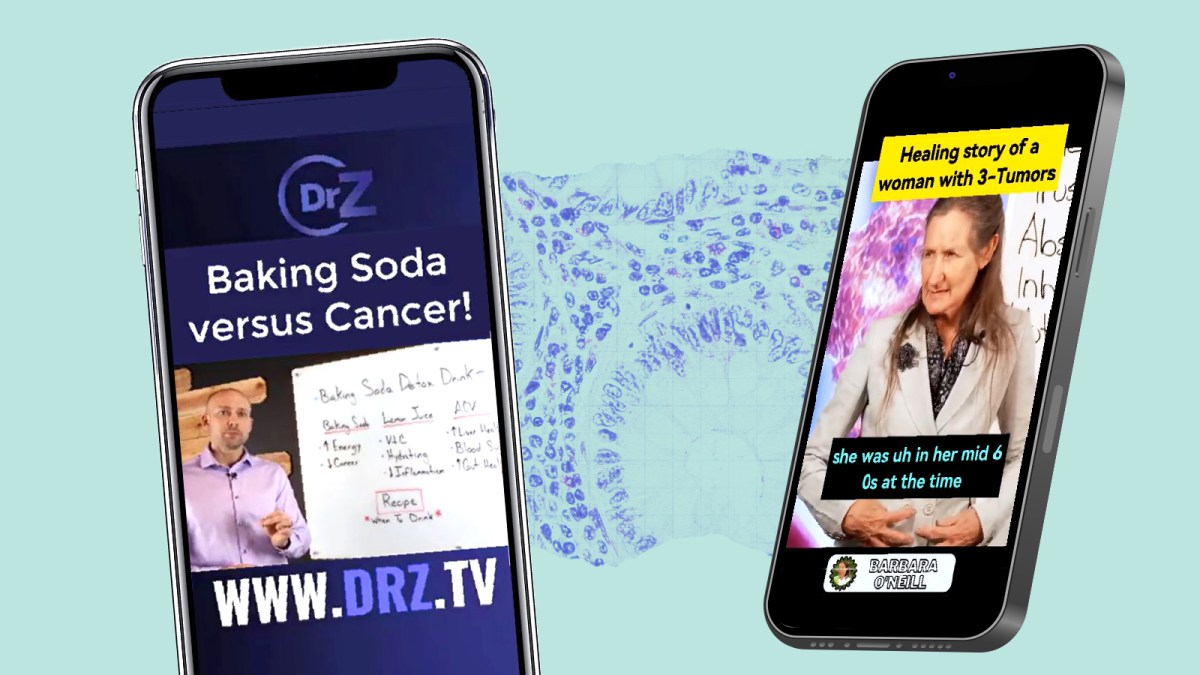
A recent analysis by health fact-checking organization Health Feedback identified over 200 accounts dedicated to promoting cancer misinformation, reaching a combined audience of millions. Common false claims include suggestions that baking soda can “alkalize” the body to kill cancer cells, that vitamin C infusions can cure advanced cancer, or that conventional chemotherapy is more dangerous than the cancer itself.
Cancer charities report an increasing number of patients arriving at consultations confused or frightened by information they’ve encountered online. “We’re seeing patients who have delayed vital treatment because someone on Instagram told them chemotherapy is poison,” said Sarah Mitchell from Cancer Research UK. “By the time they seek proper medical help, their condition has often significantly worsened.”
The problem is compounded by sophisticated tactics used by these influencers. Many share emotional personal stories claiming to have “cured” their cancer through alternative means, providing powerful but misleading testimonials. Others use scientific-sounding terminology to appear credible while misrepresenting research findings.
Social media platforms have struggled to address the issue effectively. While companies like Meta and TikTok have policies against harmful health misinformation, enforcement remains inconsistent. Content often evades automatic detection by using coded language or by mixing accurate information with dangerous falsehoods.
“These platforms’ algorithms actually amplify this content because it generates high engagement,” explained Dr. Seema Yasmin, director of the Stanford Health Communication Initiative. “Emotional, controversial claims about cancer cures spread far more widely than factual medical information.”
The financial incentive for cancer misinformation is substantial. Many influencers monetize their platforms by selling supplements, books, or online courses promising to reveal “secrets” the medical establishment supposedly conceals. The alternative cancer treatment market is estimated to be worth billions globally, despite little evidence supporting these approaches.
Medical professionals emphasize that while complementary therapies can play a supportive role in cancer care when used alongside conventional treatment, abandoning evidence-based medicine for unproven alternatives can be deadly.
“We support patients’ right to make informed decisions about their care,” said oncologist Dr. James Morton. “But information needs to be accurate. What we’re seeing is the opposite – deliberate distortion of facts that exploits people when they’re most vulnerable.”
Health organizations are now developing counter-strategies, including training healthcare providers to discuss online misinformation with patients and creating accessible, engaging content that presents evidence-based information.
Patient advocates also recommend that those diagnosed with cancer seek information from reputable sources like major cancer centers, established medical journals, and recognized cancer organizations rather than social media influencers without medical credentials.
“It’s about creating a healthier information environment,” said Mitchell. “We want patients to feel empowered through accurate knowledge, not misled by falsehoods that could cost them their lives.”
Fact Checker
Verify the accuracy of this article using The Disinformation Commission analysis and real-time sources.

9 Comments
This is a concerning trend. Social media influencers spreading misinformation about cancer treatments could have devastating consequences for vulnerable patients. We need to be vigilant and counter these false narratives with evidence-based information from reputable medical sources.
While I appreciate the desire of cancer advocates to offer hope, promoting unproven treatments undermines the credibility of the broader patient community. I hope medical professionals and fact-checkers can work together to quickly debunk these false claims.
This is a complex issue without easy solutions. On one hand, patients should have autonomy over their own care decisions. On the other, misinformation can lead to real harm. Balancing patient empowerment with evidence-based medicine is crucial.
You make a good point. It’s a delicate balance, but patient safety should be the top priority. Medical professionals need to find ways to better engage with and support cancer patients, while also firmly countering dangerous misinformation.
I’m curious to know how prevalent this problem is across different social media platforms. Are certain sites more prone to hosting this kind of health misinformation than others? Understanding the scale of the issue could inform more targeted interventions.
While I sympathize with cancer patients seeking alternative treatments, spreading misinformation can have devastating consequences. I hope medical experts and regulators can work together to develop better ways to identify and counter these false claims before they reach vulnerable audiences.
This is a disturbing trend that highlights the risks of unchecked influence on social media. Cancer patients deserve access to reliable, evidence-based information to make informed decisions about their care. Fact-checking and content moderation will be crucial to addressing this problem.
I’m curious to know more about the specific tactics these social media influencers are using to build their followings and spread misinformation. Understanding their techniques could help us develop better strategies to combat this issue and protect patients.
It’s disheartening to see cancer patients being misled by unqualified ‘experts’ peddling unproven therapies. Patients deserve access to legitimate, science-backed treatments that can genuinely improve their chances of survival, not dangerous pseudoscience.