


Listen to the article
Billionaire Control of Digital Technologies Raises Alarm Over Democracy
A handful of ultra-wealthy individuals now control the technologies connecting billions of people worldwide, according to a new Oxfam report released Sunday during the World Economic Forum in Davos, Switzerland. The report, titled “Resisting the domination of the rich,” reveals that just six billionaires control nine of the world’s ten largest social media platforms, while three billionaires dominate nearly 90% of the global artificial intelligence chatbot market.
This unprecedented concentration of digital power isn’t merely generating enormous profits but is actively being used to restrict freedoms, conduct surveillance on opponents, and manipulate public discourse, the report warns.
“When controlled by a billionaire elite, these technologies cease to be democratic tools and become mechanisms for concentrating wealth and power,” states the Oxfam analysis, which directly challenges the narrative that technological expansion inherently promotes freedom and inclusion.
Viviana Santiago, executive director of Oxfam Brazil, described this digital power consolidation as a concrete threat to democratic systems. “It is urgent to rethink who owns social media and AI tools, because there is an ongoing attempt to control narratives, reinterpret history, and limit access to information,” she said in an interview.
Santiago highlighted the dangerous combination of high profitability, environmental damage, and censorship capabilities present in these largely unregulated sectors. “These are highly profitable, highly polluting sectors with enormous power for censorship and surveillance,” she noted, adding that this environment is ideal for exacerbating existing inequalities.
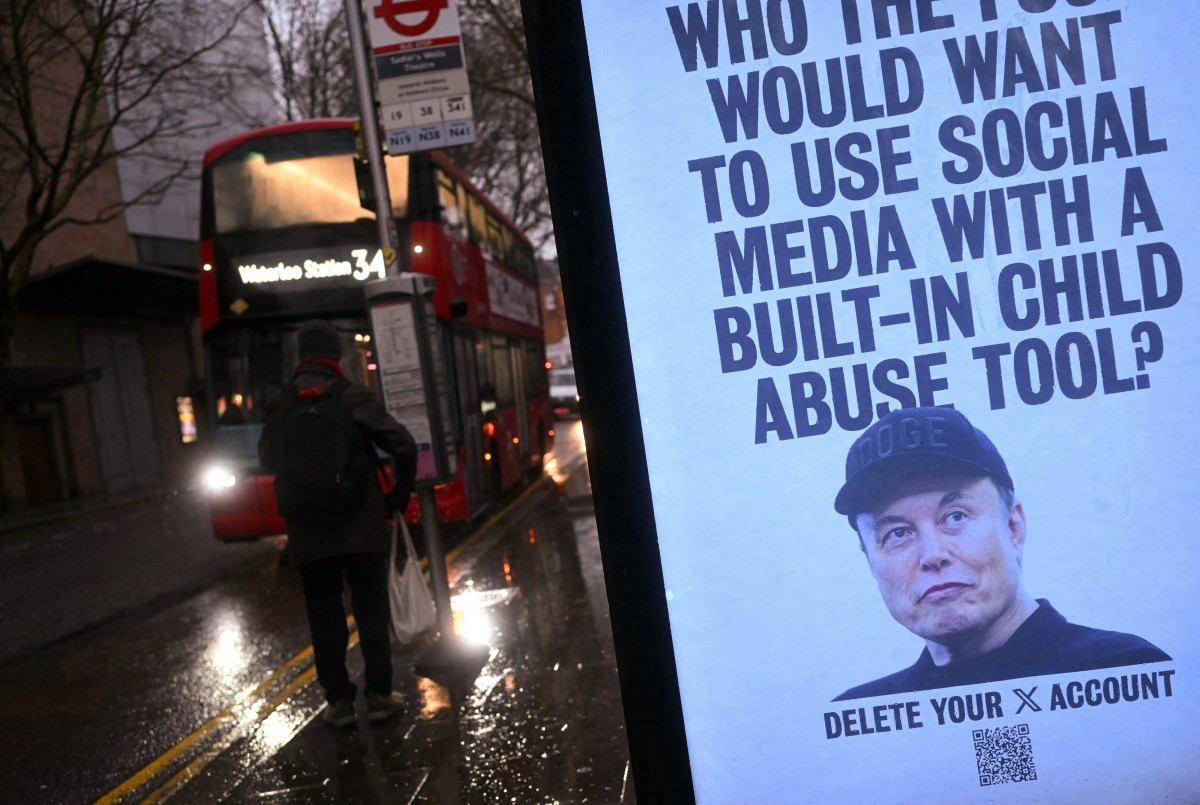
The report specifically points to Elon Musk’s X (formerly Twitter) as a prime example of how private ownership can threaten collective rights. Citing a University of California study, Oxfam reports that hate speech increased by 50% on the platform after Musk’s 2022 acquisition. In Kenya, authorities reportedly used X to track protesters during demonstrations against new tax laws, illustrating how these platforms can become tools for political repression.
“These networks, under billionaire control, are not just companies. They have become political actors with the capacity to repress, censor, and distort public debate,” the report concludes.
The concentration in artificial intelligence is even more pronounced. With three billionaires controlling approximately 90% of the global chatbot market, Oxfam warns of unprecedented risks for large-scale manipulation. These AI systems are increasingly integrated into critical areas including customer service, search platforms, and social networks, yet operate with minimal regulatory oversight.
Santiago argues that this capture of digital technologies by the ultra-wealthy serves a strategic purpose: shaping collective imagination and protecting existing power structures. She emphasized that the environmental impact of these business models adds another layer of concern to their operations.
“These sectors concentrate power, generate inequality, and have an enormous carbon footprint. We cannot treat as neutral the fact that billionaires control these tools and the means of communication,” Santiago stated.
The timing of the report’s release coincides with the World Economic Forum in Davos, being held from January 19 to 23. This year’s forum, operating under the theme “A spirit of dialogue,” has brought together approximately 400 high-level political leaders, 850 CEOs of major corporations, and nearly 100 major unicorns and technology pioneers.
Brazil’s President Luiz Inácio Lula da Silva is notably absent from this year’s gathering. Instead, Planning Minister Simone Tebet is representing the country and is expected to participate in a panel discussion focused on economic growth in Latin America. Since the beginning of Lula’s third term in 2023, Brazil’s representation at Davos has been limited to cabinet ministers.
The Oxfam findings come amid growing global debate about the need for more robust regulation of technology companies and their billionaire owners, with concerns about their influence extending beyond economic power into fundamental questions about democracy and public discourse.
Fact Checker
Verify the accuracy of this article using The Disinformation Commission analysis and real-time sources.

15 Comments
Fascinating report on the outsized influence of billionaires in the digital landscape. The concentration of power in the hands of so few raises serious concerns about privacy, freedom of expression, and the integrity of public discourse. This is a complex issue that requires thoughtful oversight and regulation.
The findings in this report are troubling. While technological innovation has brought many benefits, the concentration of digital control in the hands of a few billionaires poses serious risks to democracy and freedom of expression. Stricter regulations and oversight are clearly required.
The report’s findings on the disproportionate control of digital technologies by a small number of ultra-wealthy individuals is a wake-up call. Urgent action is needed to address this threat to democracy and safeguard the integrity of our digital public sphere.
The report’s findings on the disproportionate control of digital technologies by a small number of billionaires is alarming. This concentration of power poses grave risks to privacy, freedom of expression, and the health of our democracies. Policymakers must take swift action to address this threat and restore balance to the digital public sphere.
This report sheds important light on the growing dominance of billionaires in the digital landscape. The consolidation of power over social media and AI is concerning and merits close scrutiny. We must ensure these technologies serve the public interest, not just the interests of a privileged few.
The report’s findings on the billionaire control of digital technologies is deeply concerning. This unprecedented concentration of power raises serious questions about privacy, freedom of expression, and the integrity of our public discourse. Urgent action is needed to address this threat to the foundations of our democratic societies.
This report highlights the need for greater oversight and regulation of the digital landscape. The consolidation of power in the hands of a small number of billionaires poses serious risks to democracy, free speech, and the equitable distribution of information. We must find ways to ensure these critical technologies serve the public good, not just private interests.
This report is a sobering reminder of the outsized influence that billionaires wield over the digital landscape. The consolidation of power over social media and AI in the hands of so few is profoundly troubling. Urgent action is needed to ensure these critical technologies are governed in the public interest, not just for private gain.
Wow, this report really underscores the profound influence and control that a handful of billionaires wield over critical digital infrastructure. The implications for privacy, free speech, and the health of our democracies are deeply concerning. Policymakers must act decisively to curb this concentration of power.
I agree, this is a troubling trend that deserves immediate attention. The outsized influence of so few individuals over platforms that connect billions of people worldwide is a threat to the principles of openness and accountability that should underpin the digital public sphere.
The findings in this report are deeply concerning. The concentration of digital control by a handful of ultra-wealthy individuals raises serious questions about privacy, freedom of expression, and the integrity of our public discourse. Policymakers must act quickly to address this threat to the foundations of our democratic societies.
This report highlights the need for greater transparency and accountability around the ownership and governance of digital platforms. The consolidation of power in the hands of a few ultra-wealthy individuals is a clear threat to the principles of openness and democratic participation that should underpin the internet. Robust regulations are needed to curb this dangerous trend.
This is a worrying trend, as the unchecked influence of a handful of ultra-wealthy individuals on critical digital infrastructure could undermine democratic principles. Robust governance frameworks are needed to ensure these powerful technologies serve the public good, not just private interests.
I agree, the report highlights the urgent need for greater transparency and accountability around the ownership and operation of these influential digital platforms. Policymakers must act to safeguard against the abuse of this concentrated power.
Wow, this report really underscores the profound influence and control that a small number of billionaires wield over critical digital infrastructure. The implications for privacy, free speech, and the health of our democracies are deeply troubling. Policymakers must act decisively to rein in this concentration of power and ensure these technologies serve the public good.