


Listen to the article
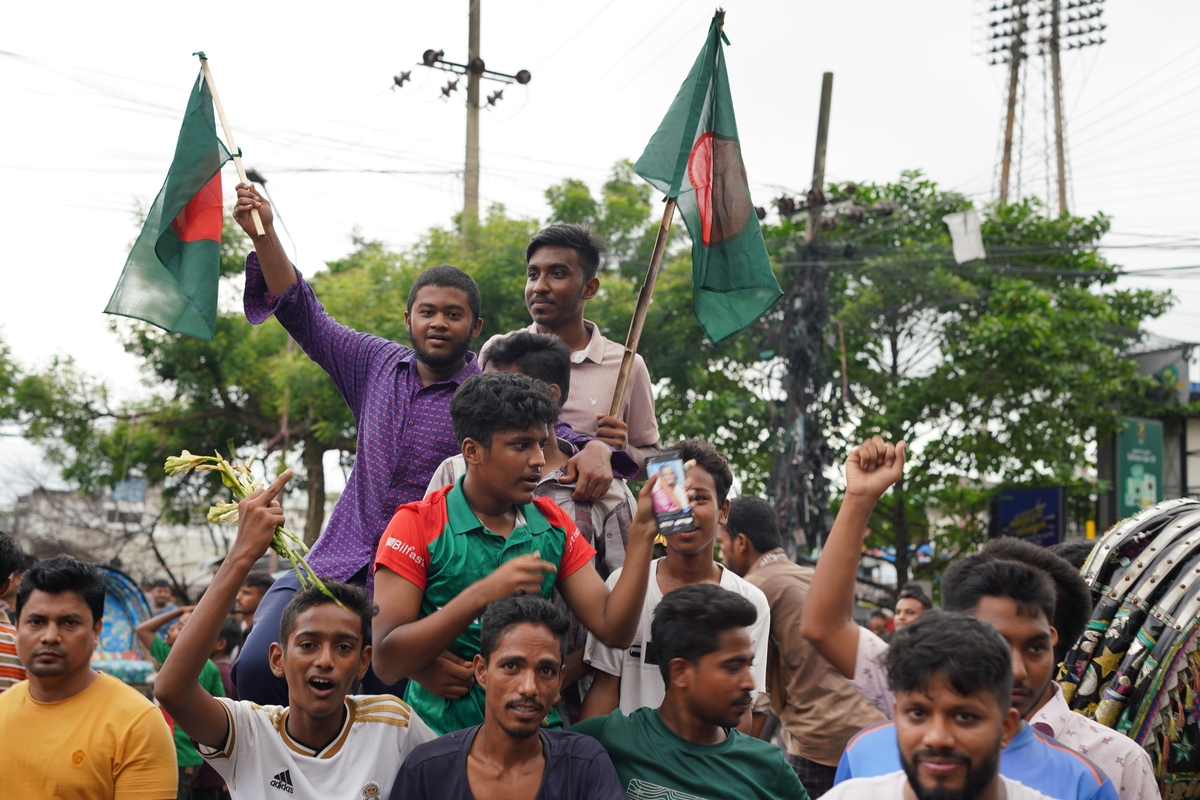
The uprising in Bangladesh last July has radically transformed the country’s digital landscape, creating both opportunities for civic mobilization and dangerous vectors for misinformation, according to digital rights activist Shoeb Abdullah.
Abdullah, co-founder of Activate Rights and the Bangladesh Protest Archive, has been documenting evidence of state violence and resistance during the 2024 student-led uprising. His work reveals how digital platforms functioned during this critical period of Bangladesh’s history and the aftermath that continues to shape the nation.
“After the uprising, many people in Bangladesh experienced, perhaps for the first time, what could be described as ‘industrial-scale disinformation,'” Abdullah explains. Based on his analysis, approximately 80 percent of this disinformation originated in India, often amplifying isolated incidents into exaggerated narratives that created panic within Bangladesh.
The disinformation landscape has evolved since the formation of Bangladesh’s new government. While the intensity has decreased as Bangladesh and India engage in diplomatic dialogue, Abdullah notes that misleading narratives now focus more on religious and identity-related issues rather than directly targeting the government.
Multiple actors have contributed to this information disorder. Networks associated with the previous ruling Awami League regime maintained connections with Indian media outlets, spreading misleading narratives. Meanwhile, homegrown political groups responded with their own counter-propaganda, which, while smaller in scale, still contributed to broader information problems.
The external dimension of Bangladesh’s disinformation ecosystem proved particularly damaging in the aftermath of the uprising. Indian media outlets circulated wildly inflated claims about violence against Hindu minorities and police casualties, creating fear and confusion. “When numbers are repeated frequently in media coverage, people begin to accept them as factual,” Abdullah observes, noting that even police officers began believing these exaggerated figures.
These narratives had real-world consequences for minority communities. While some members of the Hindu community were targeted during the uprising, Abdullah clarifies that this often happened due to their political affiliations with the Awami League rather than solely because of their religious identity. However, the politicization of casualty figures by various stakeholders complicated the situation.
“When exaggerated claims circulated widely, they were often easy for fact-checkers to disprove,” Abdullah says. “Once inflated claims were debunked, genuine incidents affecting the Hindu community sometimes lost credibility.”
The role of social media platforms in addressing these issues has been inadequate. Facebook, the most prominent platform in Bangladesh, failed to respond effectively to the surge of harmful content. Abdullah cites the example of videos showing the killing of a young Hindu man, Dipu Chandra Das, which remained accessible online despite violating multiple platform policies.
The February 2026 parliamentary election, the first national vote since the uprising, presented another test for Bangladesh’s information ecosystem. While misinformation circulated during the campaign, Abdullah notes that it resembled typical political contestation rather than coordinated disinformation operations. Female candidates appeared disproportionately targeted by narratives intended to undermine their credibility.
Platform engagement with Bangladeshi civil society has deteriorated in recent years. Previously, organizations like Facebook maintained some structured engagement with local groups, but this has declined significantly. During the recent election period, platforms consulted with international organizations while largely excluding local stakeholders.
Civil society organizations working on platform accountability face mounting challenges. Many have withdrawn or reduced their engagement due to declining resources and institutional pressures from the previous regime. “Organizations like ours, which try to address political disinformation and directly question the role of platforms, operate with very limited resources,” Abdullah says.
While fact-checking initiatives exist in Bangladesh, Abdullah emphasizes that they cannot fully address information disorder without meaningful engagement from the platforms themselves. “Fact-checking can function as a first response, but it cannot fully address the problem without engagement with the platforms themselves,” he concludes.
As Bangladesh navigates its political transition, the challenges of maintaining information integrity while protecting free expression remain central to the country’s democratic development.
Fact Checker
Verify the accuracy of this article using The Disinformation Commission analysis and real-time sources.

6 Comments
This is a complex issue without any easy solutions. Combating large-scale disinformation requires a multifaceted approach involving technology, policy, and public education. I’m curious to learn more about the specific strategies Bangladesh is employing to address this challenge.
The shift towards more religious and identity-based disinformation narratives is troubling. Governments need to stay vigilant and partner with tech platforms, civil society, and the public to quickly identify and debunk false claims. Upholding truth and transparency is essential.
As someone with an interest in mining and commodities, I’m curious to see how the political climate in Bangladesh might impact the country’s mineral resources sector and related equities. Are there any insights on how this disinformation crisis is affecting the mining industry there?
The scale of the disinformation campaign originating from India is quite alarming. It’s crucial that Bangladesh and its neighbors work together to address these cross-border misinformation flows. Maintaining reliable information channels during political transitions is vital for democracy.
Interesting to see how digital platforms amplified disinformation during the political upheaval in Bangladesh. It’s a concerning trend we’ve seen in many countries recently. I wonder what specific measures the new government is taking to combat this threat to public discourse.
The details on the origin and nature of the disinformation campaign in Bangladesh are quite concerning. I hope the government and digital rights activists can effectively counter these malicious narratives and protect the integrity of public discourse. Vigilance is key during times of political upheaval.