


Listen to the article
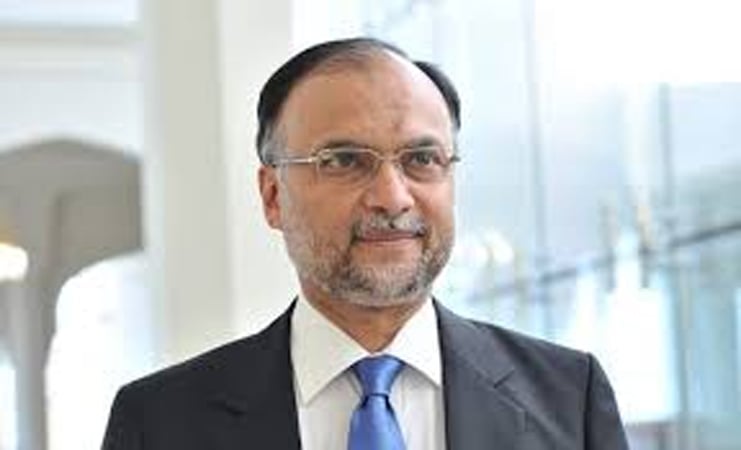
Federal Minister for Planning and Development Professor Ahsan Iqbal has issued a stark warning about the growing threats of misinformation and digital disinformation, calling for enhanced cybersecurity measures and digital literacy to combat these challenges.
Speaking at a panel discussion titled “Building Digital Resilience” at the Afkar-e-Taza – Thinkfest 2026 held at Alhamra in Lahore, Iqbal emphasized that digital falsehoods have emerged as significant global security concerns that require immediate attention.
“The spread of misinformation and digital disinformation has become one of the most pressing challenges of our time,” Iqbal stated during his address. “We must build robust digital resilience through comprehensive education, public awareness campaigns, and strengthened cybersecurity infrastructure.”
The minister highlighted how the rapid evolution of digital technology has created both opportunities and vulnerabilities. According to Iqbal, while digital platforms have democratized information access, they have simultaneously enabled the proliferation of false narratives that can undermine social cohesion and national security.
Pakistan, like many developing nations, has experienced an exponential increase in internet users over the past decade. With approximately 120 million internet users nationwide, the country has seen a corresponding rise in digital misinformation campaigns targeting political processes, public health initiatives, and economic stability.
Iqbal outlined a multi-pronged approach to address these challenges. “First, we must integrate digital literacy into our educational curriculum at all levels. Second, we need stronger regulatory frameworks that balance freedom of expression with accountability for harmful content. Third, we must invest in advanced cybersecurity infrastructure to detect and counter sophisticated disinformation campaigns,” he explained.
The Planning Minister also stressed the importance of international cooperation in combating cross-border digital threats. “Misinformation doesn’t respect national boundaries. We need collaborative global efforts to establish standards and share intelligence on emerging digital threats,” Iqbal added.
Industry experts present at the event noted that Pakistan’s digital economy, which currently contributes approximately 1% to the country’s GDP, could see significant growth if digital trust and security are strengthened. The global cybersecurity market, valued at over $170 billion, presents opportunities for Pakistan to develop indigenous solutions while addressing national security concerns.
Dr. Saeed Ahmed, a cybersecurity expert who also spoke at the panel, reinforced the minister’s message: “Digital resilience isn’t just about technological solutions—it requires building critical thinking skills among citizens who can identify and reject false information.”
The Thinkfest, now in its fifth year, has become an important platform for discussions on technology, governance, and social issues in Pakistan. This year’s focus on digital resilience reflects growing concerns about information integrity in an increasingly connected world.
The minister’s comments come at a time when Pakistan is working to implement its National Cyber Security Policy, which aims to protect critical information infrastructure and enhance the nation’s capabilities to respond to cyber threats.
Recent studies indicate that misinformation campaigns have affected electoral processes, public health responses, and economic stability in various countries, with developing nations particularly vulnerable due to lower digital literacy rates and less robust cybersecurity infrastructure.
In closing his remarks, Iqbal called for greater collaboration between government institutions, technology companies, civil society organizations, and educational institutions to create a comprehensive framework for digital resilience. “This is not just a technical challenge but a societal one that requires collective action,” he concluded.
The event was attended by technology experts, policy makers, academics, and students, reflecting the cross-sectoral approach needed to address digital misinformation challenges in today’s interconnected world.
Fact Checker
Verify the accuracy of this article using The Disinformation Commission analysis and real-time sources.

16 Comments
It’s concerning to hear about the proliferation of false narratives enabled by digital platforms, which can undermine social cohesion and national security. Strengthening cybersecurity infrastructure and digital resilience is a prudent strategy to address this growing global issue.
The minister’s warning about the threats of misinformation and digital disinformation is well-founded. Strengthening cybersecurity infrastructure and promoting digital literacy through comprehensive education and public awareness campaigns are prudent steps to build resilience against these global concerns.
Agreed. Addressing the root causes of these challenges, while also shoring up digital defenses, is a balanced approach that could yield positive results in safeguarding information integrity and social stability.
It’s concerning to hear about the proliferation of false narratives enabled by digital platforms and the potential impact on social cohesion and national security. The minister’s call for enhanced cybersecurity measures and digital literacy efforts is a timely and necessary response to these growing challenges.
Misinformation and digital disinformation are indeed growing global concerns that need urgent attention. Robust cybersecurity measures and digital literacy efforts are crucial to build resilience against these challenges. Strengthening the digital infrastructure is key to safeguarding information integrity.
The minister makes a fair point – digital platforms have empowered information access, but also enabled the spread of false narratives. Developing nations like Pakistan face unique vulnerabilities that require comprehensive, multi-pronged strategies to combat misinformation.
Agreed. Raising public awareness and fortifying cybersecurity will be essential to curbing the negative impacts of digital falsehoods on social cohesion and national security.
Misinformation and digital disinformation have indeed emerged as significant global security concerns that require immediate attention. The minister’s emphasis on the need for robust cybersecurity measures and digital literacy efforts to combat these challenges is well-founded and timely.
Misinformation and digital disinformation pose significant threats that require immediate attention. The minister’s call for robust cybersecurity measures and comprehensive education campaigns to build digital resilience is a timely and necessary response to these challenges.
Agreed. Strengthening the digital infrastructure and empowering the public with digital literacy skills will be key to safeguarding information integrity and social cohesion in the face of these growing concerns.
Misinformation and disinformation are indeed a growing global concern that requires urgent action. Enhancing digital literacy and strengthening cybersecurity infrastructure seem like prudent measures to build resilience against these challenges.
Absolutely. Addressing the root causes through education and public awareness campaigns, while also shoring up digital defenses, is a balanced approach that could yield positive results.
The minister’s warning about the threats of misinformation and digital disinformation is well-founded. Developing robust cybersecurity measures and promoting digital literacy are crucial steps to combat these challenges and safeguard information integrity.
The minister’s remarks highlight the critical importance of addressing misinformation and digital disinformation as global security concerns. Investing in cybersecurity and digital literacy initiatives seems like a prudent strategy to combat these challenges and build resilience.
Absolutely. Developing nations like Pakistan face unique vulnerabilities, so a comprehensive, multi-pronged approach targeting both infrastructure and public awareness is crucial to effectively curbing the spread of false narratives.
The rapid evolution of digital technology has indeed created both opportunities and vulnerabilities. Combating misinformation and disinformation through enhanced cybersecurity and digital literacy efforts is a sensible approach to build resilience in this rapidly changing landscape.