


Listen to the article
Rising Disinformation Threatens Election Integrity as Campaigns Intensify
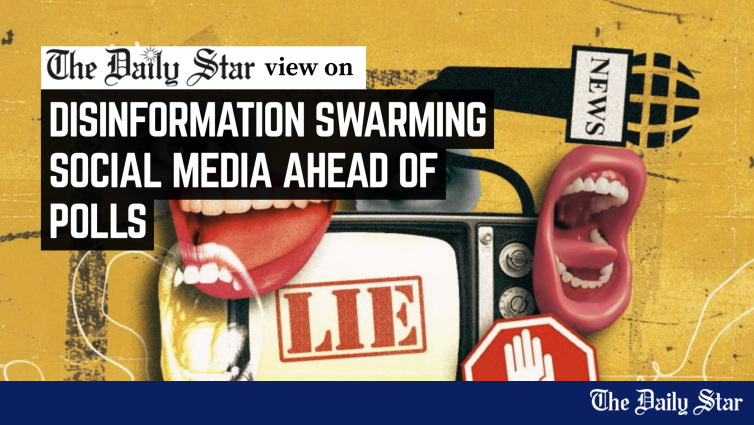
A troubling wave of coordinated disinformation campaigns is threatening to undermine electoral integrity as Bangladesh approaches a pivotal election. Analysts and fact-checkers have documented an unprecedented surge in misleading content across social media platforms, with both foreign and domestic actors implicated in systematic efforts to sway voters through false information.
International researchers have identified a substantial volume of disinformation originating primarily from India. These campaigns have been amplified by Hindu nationalist networks abroad, many promoting an unfounded “Hindu genocide” narrative that contradicts official data. According to government statistics, only a small percentage of reported incidents involving minorities have any sectarian dimension, yet this narrative has spread through hundreds of thousands of social media posts.
The proliferation of artificial intelligence has compounded the problem. Unlabelled AI-generated videos and images are being deployed at scale to circulate fabricated claims and staged testimonies. Without clear identification markers, average voters struggle to distinguish between genuine content and sophisticated forgeries.
In-depth monitoring conducted by The Daily Star in the weeks preceding the election reveals that disinformation has become a deliberate campaign tool embraced by all major political factions. Pro-Jamaat pages lead in both volume and reach of misleading content, while BNP-aligned actors have primarily targeted Jamaat with defamatory claims questioning the moral and religious credentials of its leadership.
Meanwhile, Awami League-affiliated accounts have focused their disinformation efforts on the interim government, student coordinators, and Jamaat, frequently exaggerating incidents involving minorities and pushing narratives of foreign interference. The investigation also uncovered coordinated campaigns of fake “haha” reactions on social media posts, designed specifically to undermine political opponents.
“What we’re witnessing is unprecedented in scale and sophistication,” said a digital rights expert who requested anonymity due to safety concerns. “The targeting is precise – undecided voters are bombarded with content that exploits religious sensitivities and nationalist sentiment to provoke fear or outrage.”
The tactics employed are diverse and evolving. Fake quotes attributed to political figures, forged official documents, and manipulated visuals portray opponents as criminals or morally corrupt. Even legitimate events are frequently distorted to support partisan narratives. These tactics pose a particular challenge in Bangladesh, where smartphone penetration is high but digital literacy remains limited, creating an environment where voters often lack the tools to verify content they encounter online.
The Election Commission’s response to this crisis has drawn widespread criticism. While the Commission has acknowledged the threat and claimed to be working with social media platforms to monitor harmful content, independent observers report these efforts appear insufficient given the scale of the problem.
Digital rights advocates are calling for stronger enforcement of the electoral code of conduct, including meaningful penalties for parties and candidates found to be orchestrating or benefiting from disinformation campaigns. They emphasize that greater transparency regarding monitoring mechanisms and enforcement outcomes is essential to rebuild public confidence in the electoral process.
Political analysts note that this election holds enormous significance for Bangladesh’s democratic trajectory, making the integrity of voter information particularly crucial. “When voters cannot distinguish fact from fiction, the very foundation of informed democratic choice is undermined,” explained a political science professor at Dhaka University.
As election day approaches, the barrage of disinformation shows no signs of abating. Experts warn that without more robust interventions from both regulatory bodies and the platforms themselves, the problem may intensify in the final days of campaigning when voter decisions are most vulnerable to manipulation.
The situation underscores a broader global challenge as democracies worldwide grapple with the impact of digital disinformation on electoral processes. For Bangladesh, how this crisis is addressed may have lasting implications for the credibility of not just this vote, but future democratic exercises.
Fact Checker
Verify the accuracy of this article using The Disinformation Commission analysis and real-time sources.

6 Comments
Disinformation can have serious consequences for election outcomes and public trust. I’m glad to see this issue being taken seriously and proactive steps being taken to address it. Ongoing monitoring and adaptation will be needed as tactics continue to evolve.
The use of AI-generated content to spread false narratives is particularly alarming. Clear identification and labeling of synthetic media is essential to prevent voters from being misled. Robust platform policies and enforcement will be key to addressing this challenge.
Absolutely, platforms need to take strong action to detect and remove coordinated disinformation campaigns. Transparency around their efforts and collaborating with fact-checkers will be important to maintain public trust.
The scale and sophistication of these disinformation campaigns is alarming. A multi-pronged approach involving technical, regulatory, and educational measures will be necessary to combat this threat effectively. Vigilance and a coordinated response from all stakeholders will be key.
This is a concerning issue that requires a decisive response. Disinformation campaigns can seriously undermine democratic processes if left unchecked. Fact-checking and media literacy efforts will be crucial to combat these coordinated attempts to mislead the public.
It’s troubling to see foreign actors interfering in domestic elections through disinformation tactics. Protecting the integrity of the democratic process should be a top priority. Enhancing digital literacy and empowering citizens to critically evaluate online content will be crucial.