


Listen to the article
YSRCP Accuses Hyderabad Coalition Government of Financial Mismanagement and Propaganda
Former Finance Minister of Andhra Pradesh has sharply criticized the ruling coalition government in Hyderabad, accusing it of engaging in “false propaganda” and attempting to silence legitimate opposition critique about the state’s financial management.
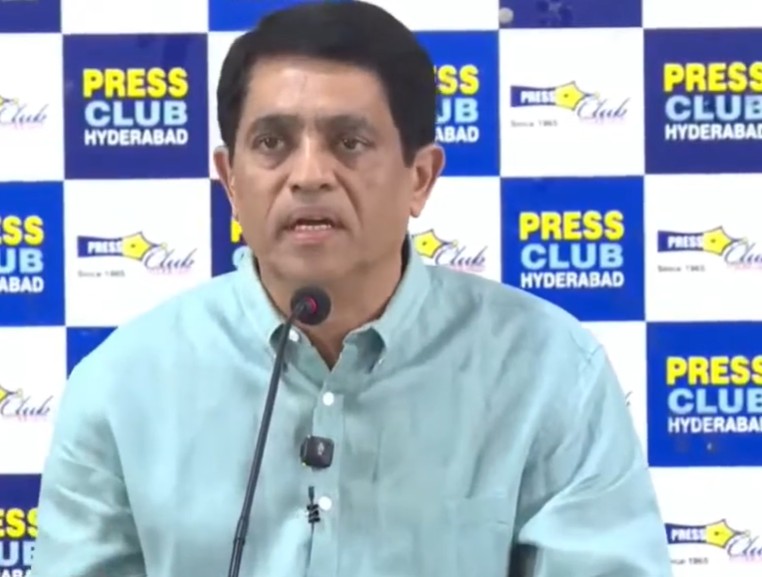
During a press conference held in Hyderabad on Saturday, the YSRCP (Yuvajana Sramika Rythu Congress Party) spokesperson defended party leader YS Jagan Mohan Reddy’s recent statements on state finances, claiming their stance has been “vindicated as always” despite efforts to undermine their position.
“We have categorically stated the budget figures do not add up. There is a yawning gap between the allocations and the requirements needed to implement the promises made to the public,” the former Finance Minister explained. This gap, according to YSRCP, represents a fundamental inconsistency in the coalition’s economic planning and raises concerns about fiscal transparency.
The opposition party specifically highlighted discrepancies between the substantial loans raised by the coalition government—reportedly exceeding Rs 3 lakh crore—and the scaled-down implementation of welfare schemes. YSRCP claims the number of beneficiaries for several flagship programs, including Talliki Vandanam, pension schemes, and Annadatha Sukhibhava, has been “drastically reduced” without proper justification.
This reduction in beneficiaries comes despite the significant borrowing, creating what the YSRCP describes as a mismatch between resource allocation and program delivery. The former Finance Minister emphasized that these inconsistencies were precisely what YS Jagan Mohan Reddy had raised concerns about in the Assembly.
The YSRCP also addressed what they perceive as attempts to silence legitimate opposition. “Being a responsible Opposition, he [Jagan Mohan Reddy] has the right to highlight the failures, fudging and deception of funds,” the spokesperson asserted, adding that “remarks were made in the Assembly to demean the Opposition” when these issues were raised.
The criticism extended to the coalition’s women’s empowerment initiatives, with YSRCP claiming that despite much rhetoric about the Maha Shakti program, “none of the schemes were introduced as told during election campaign.” This represents another broken promise, according to the opposition.
The confrontation highlights ongoing tensions in Andhra Pradesh’s political landscape following the transfer of power from YSRCP to the current coalition. Political analysts note that Jagan Mohan Reddy’s party, which previously held power in the state, has been increasingly vocal about what they characterize as financial mismanagement by the current administration.
Financial governance has become a central battleground in state politics, with both sides presenting contrasting narratives about Andhra Pradesh’s fiscal health. While the coalition government has portrayed its approach as corrective measures necessary after previous mismanagement, YSRCP contends that the current administration is failing to deliver on electoral promises while accumulating substantial debt.
The state’s economic management has broader implications for development projects, welfare programs, and infrastructure initiatives that impact millions of citizens across Andhra Pradesh. Economic experts have noted that clear financial accounting and transparent budget processes are essential for maintaining public trust, regardless of which party holds power.
As the Assembly session continues, observers expect further confrontations over budget allocations, program implementation, and the government’s overall economic strategy. The YSRCP has signaled it will continue to press for answers regarding the apparent discrepancies between financial resources and program delivery, particularly concerning the coalition’s flagship “Super Six” welfare initiatives.
The debate underscores the critical role that opposition parties play in democratic governance by scrutinizing government policies and holding the ruling coalition accountable for its promises to the electorate.
Fact Checker
Verify the accuracy of this article using The Disinformation Commission analysis and real-time sources.

11 Comments
This is an important issue that goes beyond partisan politics. Responsible fiscal management and economic planning are crucial for the well-being of the state and its citizens.
I agree. The public deserves to know the truth, regardless of which political party is in power.
This political dispute highlights the need for independent, nonpartisan oversight and auditing of the state’s finances to verify the claims made by both sides. Transparency is key to building public trust.
Agreed. An objective, fact-based assessment of the state’s financial situation would help inform the public and hold the government accountable.
The YSRCP’s criticism of the budget figures not adding up and the substantial loans raised by the coalition government raises some valid concerns that warrant further investigation.
Absolutely, any discrepancies in the state’s finances should be thoroughly examined to ensure fiscal responsibility and prudent economic management.
The YSRCP’s defense of their position and claims of being ‘vindicated’ suggests there may be more to this story than what’s being reported. It will be interesting to see how this unfolds.
It’s concerning to hear allegations of the coalition government engaging in ‘false propaganda’ and attempting to silence legitimate opposition critique. A healthy democracy requires open and honest discourse on important issues.
Interesting to see the opposition party calling out the coalition government’s financial mismanagement and propaganda. It’s important for all sides to be transparent about the state’s finances and economic planning.
I agree, transparency and accountability are crucial for good governance. The public deserves to know how their tax money is being used.
The coalition government’s alleged financial mismanagement and propaganda tactics are concerning. Voters should be able to make informed decisions based on accurate information about the state’s finances.