


Listen to the article
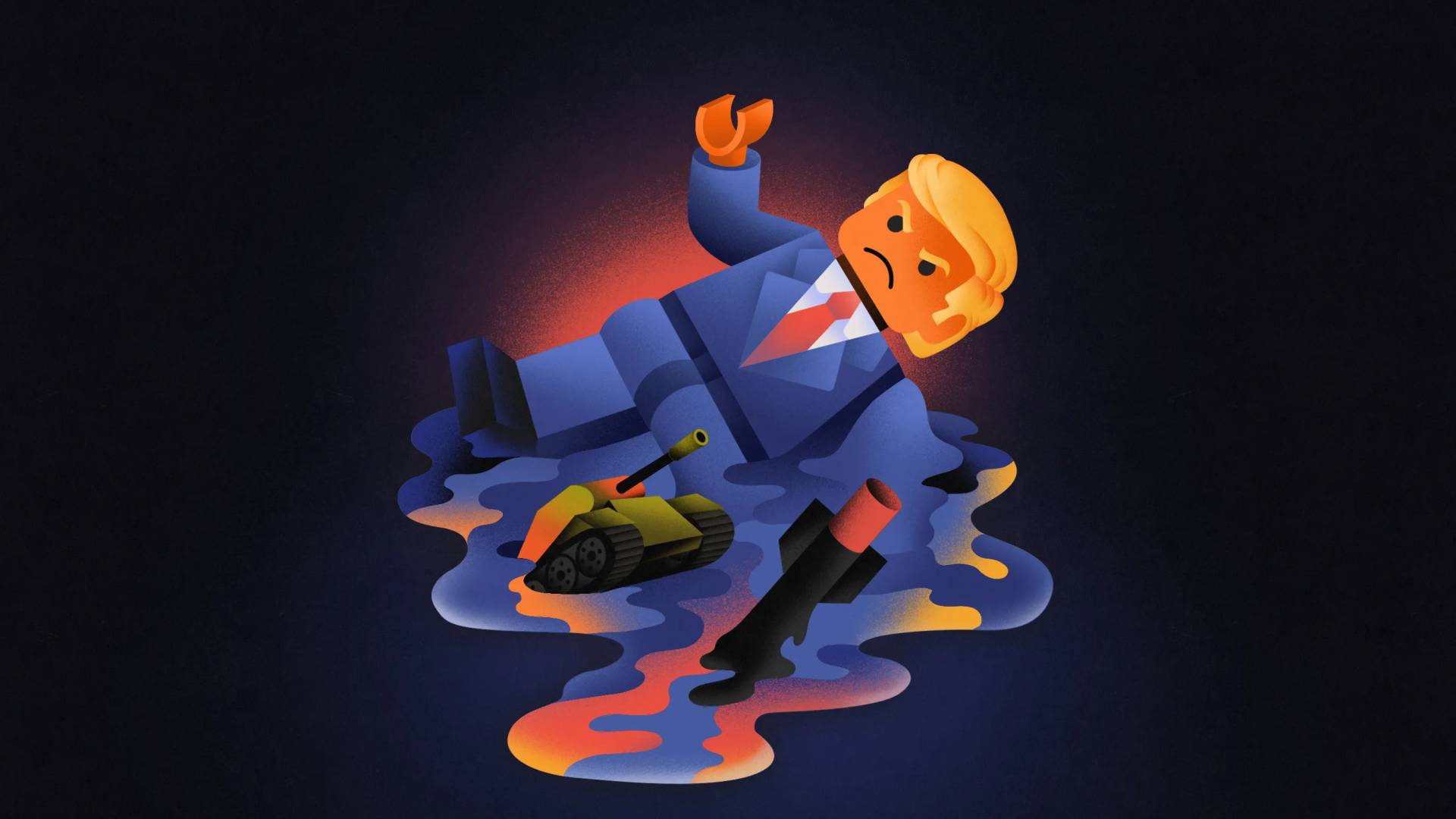
In a significant move addressing concerns over AI-generated political content, YouTube has banned the “Explosive Media” channel, a group reportedly aligned with pro-Iranian interests. The channel had gained popularity for its AI-generated videos featuring Lego-style animation that satirized and mocked global political figures.
The takedown comes amid growing alarm over what experts call “slopaganda” – low-cost, AI-generated political content strategically deployed across social media platforms during sensitive geopolitical moments to influence public opinion.
Explosive Media had attracted substantial viewership with its high-quality animated clips. These videos frequently depicted political figures like former President Donald Trump in humiliating scenarios. Other controversial content included animations showing Trump alongside Israeli Prime Minister Benjamin Netanyahu reviewing fictional documents labeled “Epstein Files,” while additional videos portrayed American and Israeli military forces in exaggerated or defeatist situations.
The channel’s content strategy relied heavily on a blend of humor, music, and stylized visuals designed to appeal to wider audiences, particularly younger viewers. By combining entertainment value with political messaging, the videos proved highly shareable across social media platforms.
While Explosive Media claims the ban resulted from alleged “violent content” violations, analysts believe YouTube’s decision represents part of a broader effort by major tech platforms to combat coordinated foreign influence operations. Social media companies have faced mounting pressure to address sophisticated propaganda campaigns that exploit their platforms to shape political narratives.
According to researchers tracking online influence operations, the videos appeared strategically crafted to exploit existing political divisions within the United States while simultaneously promoting narratives that align with Iranian state perspectives on regional and global issues. The timing of content releases often coincided with heightened tensions in the Middle East or during significant political moments in American politics.
Several investigations have suggested possible connections between the production quality of the videos and institutions associated with the Islamic Revolutionary Guard Corps. However, the group has consistently described itself as an independent, student-led initiative with no formal government ties.
This case highlights emerging challenges in content moderation as AI tools become more accessible and sophisticated. Unlike traditional deepfakes that attempt to create convincing replicas of real footage, this new form of propaganda relies on surreal, entertainment-driven formats that can more easily evade existing moderation systems.
“The genius of this approach is that it doesn’t try to fool viewers into believing something happened that didn’t,” explained a disinformation researcher who requested anonymity. “Instead, it uses familiar visual styles like toy animation to create content that’s inherently shareable while conveying specific political messages.”
The use of recognizable visual styles—such as the toy-like animation reminiscent of popular media—allows such content to bypass traditional scrutiny while appealing to broader audiences who might not engage with overtly political content.
Despite YouTube’s ban, the videos continue to circulate widely across other platforms, particularly X (formerly Twitter) and Telegram, demonstrating the persistent challenge of containing viral content once it spreads beyond its original source.
In response to the ban, Explosive Media has questioned whether its content genuinely violated platform rules or if the removal instead reflects discomfort with politically charged satire. This raises ongoing questions about the boundaries between legitimate political commentary and coordinated influence campaigns.
The case illustrates the evolving landscape of digital propaganda, where the combination of AI-generated content, entertainment formats, and strategic distribution creates new challenges for platforms, regulators, and audiences attempting to navigate an increasingly complex information environment.
Fact Checker
Verify the accuracy of this article using The Disinformation Commission analysis and real-time sources.

10 Comments
This channel’s tactics highlight the broader challenge of combating ‘cheap’ AI-generated content designed to sway public opinion. Glad to see YouTube taking firm action, but it’s likely just the tip of the iceberg.
This raises interesting questions about the line between political satire/commentary and coordinated disinformation efforts. Where do we draw that line, especially when AI-generated content is involved? Challenging issue for platforms to navigate.
The use of Lego-style animation to mock political figures is an interesting approach, but if it’s part of a larger disinformation campaign, then the ban is justified. Curious to see if other platforms follow suit.
The Lego-style animations are eye-catching, but the underlying political agenda is concerning. I’m glad YouTube is taking steps to address these AI-driven propaganda tactics, but it will be an ongoing challenge to stay ahead of evolving techniques.
Interesting development with this pro-Iran channel getting banned from YouTube for its AI-generated Lego propaganda videos. I wonder if this is just the beginning of a broader crackdown on AI-driven political content across social media.
I’m curious to know more about the specific criteria YouTube used to determine this channel was distributing AI-generated propaganda. Were there technical markers they identified, or was it more about the political messaging and intent behind the content?
The channel’s focus on mocking political figures through humorous Lego animations is quite creative, but I can see how it could be seen as an attempt to subtly influence public opinion. Glad to see YouTube taking action against potential disinformation campaigns.
This ‘slopaganda’ trend is concerning. While creative, the use of AI to generate politically-charged content that blends humor and visuals is a worrying tactic to sway public perception. Glad YouTube is being proactive in addressing it.
I’m curious to learn more about the specific criteria YouTube used to identify this channel as distributing AI-generated propaganda. Was it the content itself, the volume/coordination of the messaging, or a combination of factors?
The channel’s blend of animation, music, and political satire is an effective way to reach wider audiences, especially younger viewers. However, if the content is indeed an orchestrated disinformation campaign, then the ban is justified.