


Listen to the article
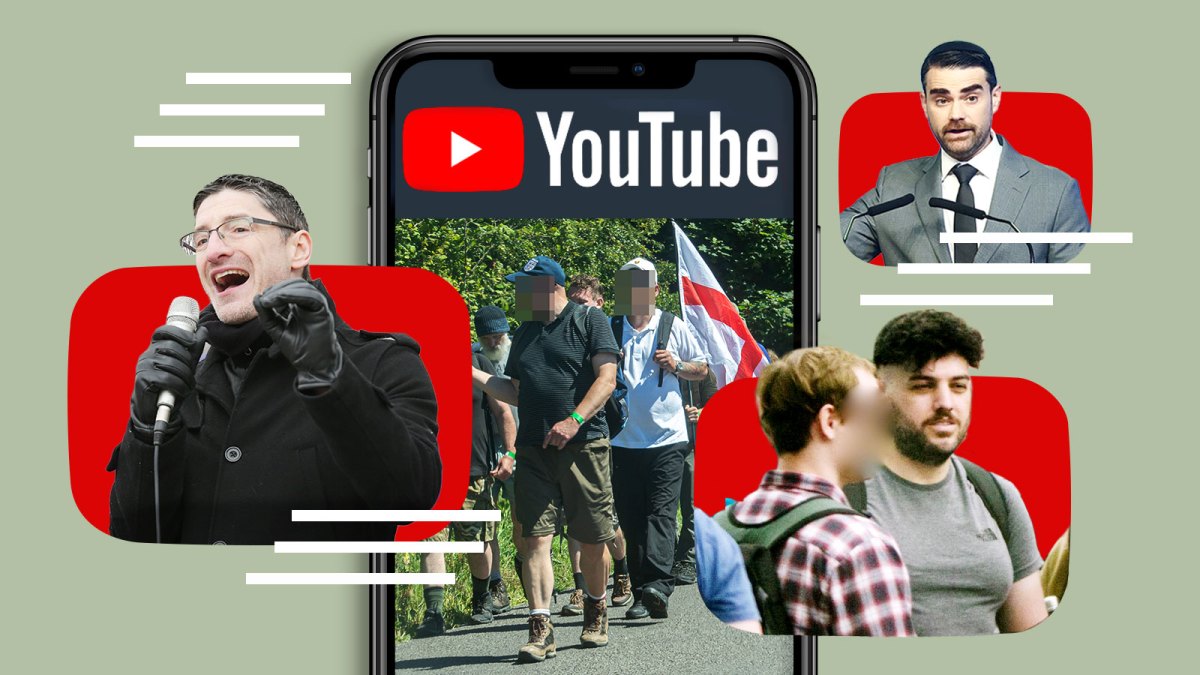
YouTube’s algorithm systematically directed far-right activists toward increasingly extreme neo-Nazi content, according to a groundbreaking study that raises serious questions about the platform’s role in online radicalization.
Researchers at the University of Cambridge analyzed the viewing patterns of nearly 800 far-right YouTube users and found that the platform’s recommendation system consistently pushed viewers from relatively mainstream conservative content toward channels promoting white supremacist ideologies and conspiracy theories.
The study, published in the Journal of Online Media and Technology, tracked users who initially engaged with content from mainstream right-wing commentators before gradually migrating to more extreme channels over time. This pattern suggests YouTube’s algorithm may have played a significant role in their radicalization journey.
“What we found was deeply concerning,” said Dr. Emily Richardson, the study’s lead author. “Users who began watching mainstream conservative content would receive increasingly radical recommendations within weeks. By the three-month mark, many were regularly consuming content that explicitly promoted neo-Nazi ideologies, Holocaust denial, and white genocide conspiracy theories.”
The research team employed a combination of data analysis and qualitative interviews with former extremists to build a comprehensive picture of how YouTube’s recommendation system functions. They found that the algorithm appeared to identify users with far-right leanings and systematically exposed them to progressively more extreme content.
YouTube, owned by tech giant Google, has faced mounting criticism over its recommendation algorithm in recent years. The platform made significant changes to its recommendation systems in 2019, claiming to reduce the spread of harmful misinformation and extremist content. However, this new research suggests those changes may have been insufficient.
A YouTube spokesperson responded to the study by emphasizing the company’s commitment to preventing radicalization on its platform. “We’ve made meaningful progress in addressing recommendations of harmful content by updating our systems,” the spokesperson said. “Our internal research shows a 70% drop in watch time of borderline content coming from recommendations in the United States.”
Digital rights advocates have long warned about the dangers of algorithmic recommendation systems designed primarily to maximize user engagement rather than prioritize public safety. Emma Collins from the Digital Policy Institute noted that the findings represent “just the tip of the iceberg” when it comes to algorithmic amplification of harmful content.
“These platforms are designed to keep users engaged for as long as possible,” Collins explained. “Unfortunately, research consistently shows that extreme, emotional, and divisive content tends to drive the highest engagement metrics, creating perverse incentives for these recommendation systems.”
The study also highlighted how this phenomenon affects young users disproportionately. Several participants interviewed were teenagers when they first began consuming far-right content on YouTube, with many describing how the platform’s recommendations gradually normalized extreme viewpoints.
This research comes amid growing global concern about online radicalization and its real-world consequences. Several recent acts of violence, including mass shootings in Christchurch, New Zealand and Buffalo, New York, have been linked to online radicalization through social media platforms.
Lawmakers in several countries are now considering stricter regulation of social media algorithms. In the European Union, the Digital Services Act includes provisions requiring greater transparency and accountability from platforms regarding their recommendation systems. Similar legislation has been proposed in the United States but has faced significant opposition from tech industry lobbyists.
Media scholars emphasize that addressing algorithmic radicalization requires a multifaceted approach. “Platform design is just one piece of the puzzle,” said Professor James Martin of the Oxford Internet Institute. “We also need better digital literacy education, more robust content moderation, and greater algorithmic transparency.”
For its part, YouTube maintains that it has implemented numerous policy changes and technical fixes to address these concerns. The company points to its removal of thousands of extremist channels and its partnerships with counter-extremism organizations as evidence of its commitment to addressing the problem.
Nevertheless, this new research suggests that more fundamental changes to the platform’s underlying recommendation architecture may be necessary to truly address its role in online radicalization.
Fact Checker
Verify the accuracy of this article using The Disinformation Commission analysis and real-time sources.

8 Comments
Wow, this is a really concerning report. If YouTube’s algorithms are indeed funneling users toward increasingly extreme and hateful content, that’s a major issue that needs to be investigated and fixed. The platform has a responsibility to prevent the spread of dangerous ideologies.
I agree, YouTube needs to be held accountable for the real-world harms that can stem from their recommendation systems. Transparency and reform are essential to stop the amplification of extremism on the platform.
This report raises serious questions about YouTube’s role in the spread of neo-Nazi and other extremist ideologies. The finding that their algorithms systematically pushed users toward increasingly radical content is deeply disturbing. Urgent action is needed to address this problem.
This is a troubling report. If true, YouTube’s algorithms seem to have enabled the spread of harmful extremist content. That’s very concerning and raises questions about the platform’s content moderation practices and responsibility for user radicalization.
Agreed. The platform’s recommendation systems need close examination to ensure they aren’t inadvertently directing users toward increasingly extreme and dangerous ideologies.
The findings from this study are quite alarming. It suggests YouTube’s algorithms may have played a significant role in pushing users toward neo-Nazi and other extremist content, which is deeply concerning. More transparency and accountability is needed around these recommendation systems.
Absolutely. YouTube needs to take a hard look at how their algorithms are functioning and make changes to prevent the amplification of hateful, extremist ideologies.
This is a very troubling revelation about the potential dangers of YouTube’s recommendation algorithms. If users are being systematically directed toward neo-Nazi content, that’s a serious problem that needs to be addressed urgently. More oversight and reform is clearly required.