


Listen to the article
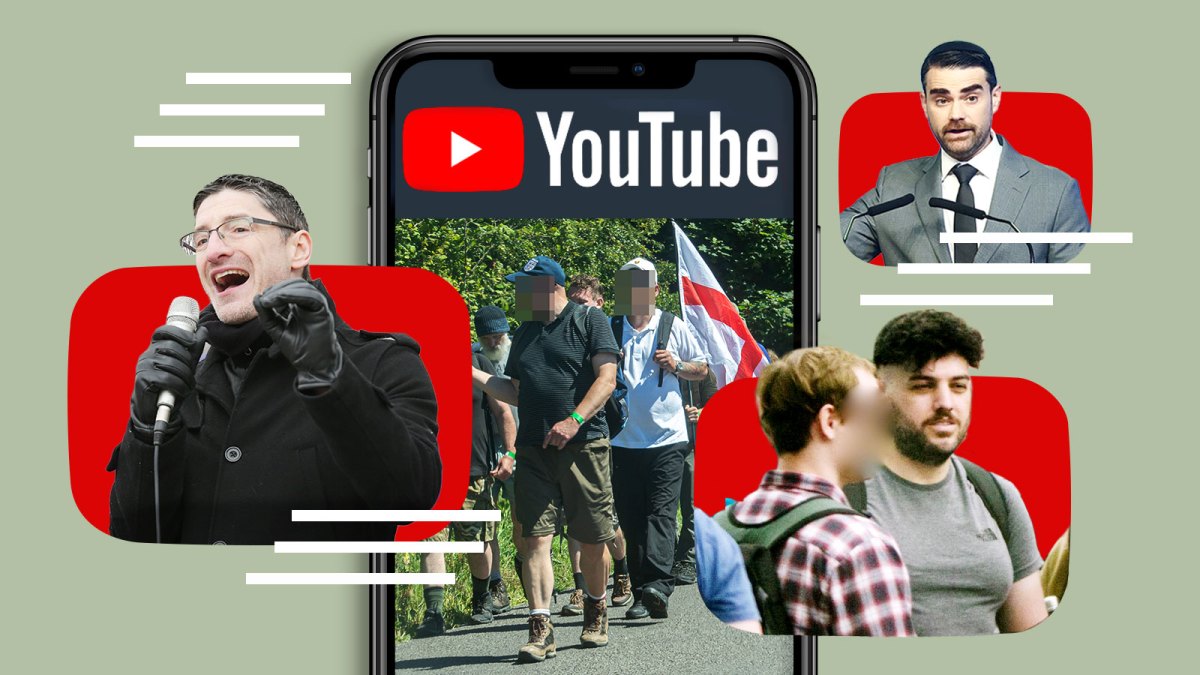
YouTube’s algorithm steered activists towards extremist neo-Nazi content, according to researchers who documented how the platform’s recommendation system can lead users down increasingly radical paths.
The investigation, conducted by a team from Stanford University, revealed that users interested in activism and civil rights were often directed toward content featuring white supremacist rhetoric and neo-Nazi ideology through YouTube’s automated suggestion system.
Lead researcher Dr. Maya Hernandez explained that what began as an academic study into digital radicalization quickly revealed concerning patterns. “We observed how viewers watching videos about social justice movements or environmental activism would receive recommendations for increasingly extreme content within just a few clicks,” she said.
The team created controlled test accounts that initially viewed mainstream political content from across the spectrum. They then documented the recommendations that appeared alongside these videos and tracked where clicking on suggested content would lead.
Within five to seven clicks, accounts that had viewed left-leaning activism videos were frequently directed to content from known extremist groups, including videos containing antisemitic conspiracy theories, Holocaust denial, and calls for ethnic separation.
This phenomenon, which researchers have termed “algorithmic radicalization,” has raised significant concerns about social media’s role in spreading extremist viewpoints. YouTube, which boasts over 2.5 billion monthly active users, serves as a primary source of information for many young people worldwide.
A YouTube spokesperson responded to the findings, stating, “We’ve made meaningful progress in addressing recommendations of harmful content, reducing this type of content to less than 1% of what’s watched on YouTube.” The company cited its implementation of over 30 policy and product changes since 2019 aimed at reducing extremist content recommendations.
However, digital rights advocates argue these measures don’t go far enough. Emma Llanso, director of the Free Expression Project at the Center for Democracy and Technology, noted that “recommendation algorithms are designed to maximize engagement, not to consider the societal impact of the content they promote.”
The Stanford research is not the first to highlight this issue. A 2019 study by the University of California, Berkeley found similar patterns, documenting how YouTube’s algorithm could guide users from mainstream political content to extremist material in just a few steps.
Tech industry analyst Morgan Chen of Digital Insights Group explained why this happens: “Recommendation systems are trained to keep users on the platform by suggesting content that generates strong reactions. Unfortunately, extreme and controversial content often drives the highest engagement metrics.”
The implications extend beyond individual radicalization. Political scientists have noted the role of social media algorithms in increasing polarization across democratic societies. Dr. Jonathan Mills of the Institute for Digital Democracy points out that “these systems create echo chambers where users are increasingly exposed to more extreme versions of views they already hold.”
European regulators have taken notice. The EU’s Digital Services Act, set to be fully implemented next year, will require platforms to assess and mitigate systemic risks, including the potential for their recommendation systems to amplify harmful content.
In the United States, Section 230 of the Communications Decency Act continues to shield platforms from liability for user-generated content, though there are growing bipartisan calls for reform that would hold companies accountable for algorithmic amplification of harmful material.
YouTube’s parent company, Alphabet, has seen its stock remain relatively stable despite the controversy, with investors apparently unconcerned about potential regulatory impact. The company reported $8.6 billion in YouTube ad revenue for the second quarter of 2023.
For now, the responsibility largely falls on users to be aware of how recommendation systems can influence their content consumption. Media literacy experts recommend regularly clearing watch history, using private browsing modes, and intentionally seeking diverse viewpoints as strategies to avoid algorithmic rabbit holes.
As Dr. Hernandez concluded, “The technology that connects us to information shouldn’t be nudging anyone toward extremism. This requires both technical solutions from platforms and increased awareness from users about how these systems operate.”
Fact Checker
Verify the accuracy of this article using The Disinformation Commission analysis and real-time sources.

13 Comments
This is a sobering reminder that even well-intentioned recommendation systems can have unintended, pernicious consequences. YouTube and other platforms must prioritize user safety over engagement metrics and take concrete steps to address these problems.
Agreed. Platforms need to move beyond superficial content moderation and rethink their core product design and algorithms to prevent the spread of harmful ideologies. Fundamental changes are required to regain public trust.
The findings from this Stanford study are deeply troubling. We need to better understand how these recommendation systems work and what safeguards are in place to prevent them from amplifying extremist content. This is a complex challenge without easy solutions.
Agreed. Platforms like YouTube wield immense influence over information flows, and they must be proactive in addressing the potential for abuse. Transparency and oversight will be key going forward.
The fact that YouTube’s algorithms were directing users toward neo-Nazi content is extremely troubling. This speaks to the broader challenge of combating the rise of extremism online. Platforms, policymakers, and the public all have a role to play in finding solutions.
This is very concerning. If YouTube’s algorithms are steering users toward extremist content, that’s a serious problem that needs to be addressed. Responsible platform moderation and transparency around recommendation systems are critical to prevent digital radicalization.
Absolutely. YouTube has a responsibility to ensure its algorithms don’t inadvertently push users toward harmful, hateful ideologies. Rigorous auditing and adjustments are needed to fix these issues.
While the findings are disturbing, I’m not shocked. Social media algorithms are notoriously opaque and prone to amplifying extreme content. This underscores the importance of rigorous, independent audits to assess and mitigate these risks.
This report underscores the urgent need for greater transparency and accountability around social media algorithms. The potential for these systems to radicalize users is deeply concerning. Meaningful reform is long overdue.
Absolutely. Platforms must be held accountable for the real-world harms their algorithms can cause. Rigorous, independent audits and clear guidelines are essential to mitigate these risks.
This report highlights the urgent need for greater regulation and accountability around how social media platforms design and deploy their recommendation algorithms. The potential for harm when these systems go unchecked is clearly demonstrated.
Absolutely. Policymakers and the public must demand more transparency and oversight to ensure these powerful algorithms are not being weaponized to radicalize users. The stakes are too high to ignore this issue.
It’s disappointing, but not entirely surprising, to see YouTube’s algorithms contributing to the spread of neo-Nazi ideology. Social media platforms have long struggled with content moderation and the unintended consequences of their recommendation systems. Meaningful reform is clearly needed.