


Listen to the article
A newly organized presentation in Milford aims to shed light on the often-overlooked role of women in World War II propaganda, offering attendees a glimpse into how female imagery was strategically deployed during one of history’s most devastating conflicts.
The Milford Museum will host “Glamour Girls: Women in World War II Propaganda,” a talk exploring the multifaceted representations of women in wartime messaging. The event, scheduled as part of the museum’s ongoing historical education initiative, promises to examine how government agencies and private industries utilized female imagery to mobilize support for the war effort.
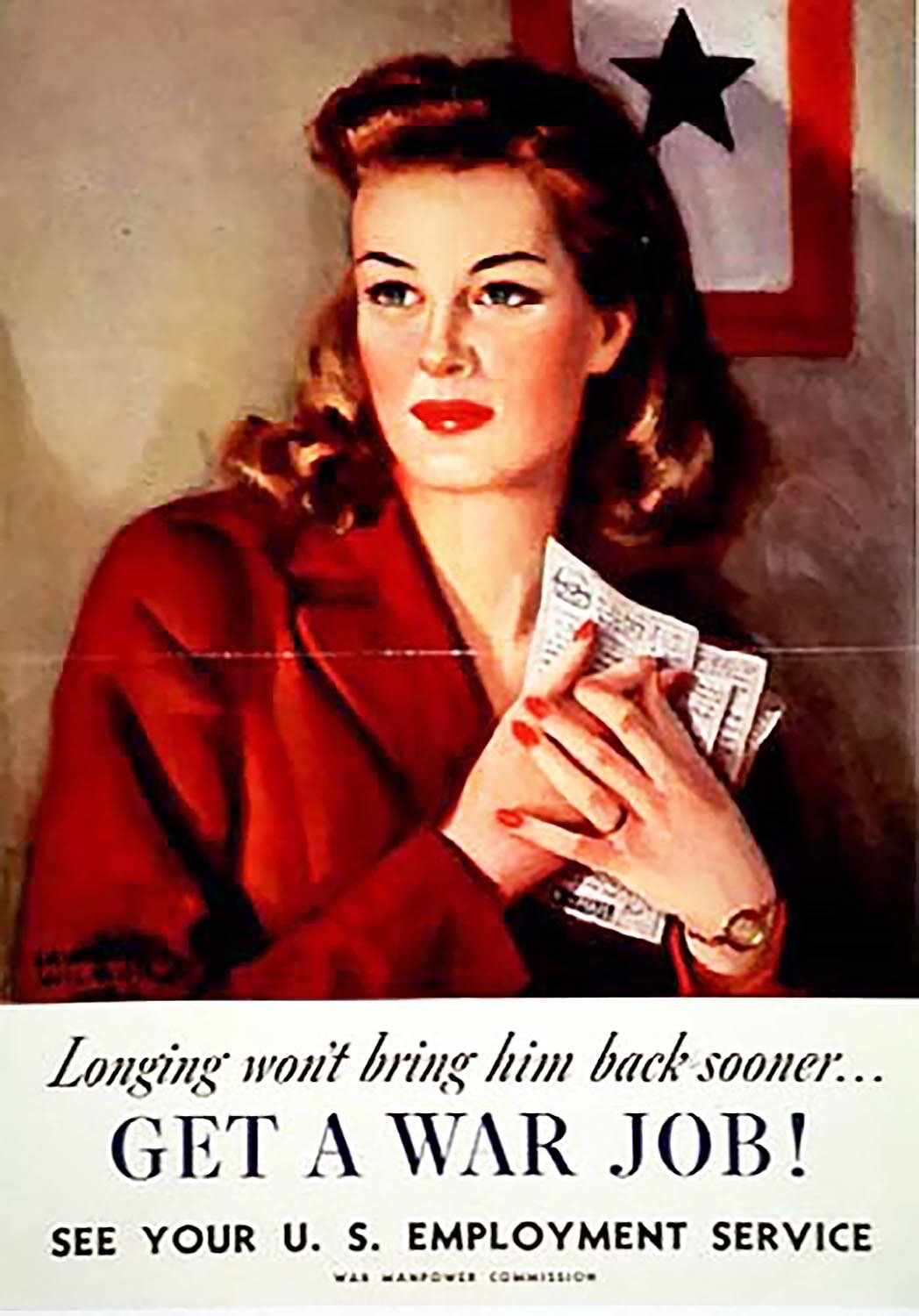
During World War II, propaganda posters and campaigns featuring women served various strategic purposes across Allied nations. From the iconic “Rosie the Riveter” encouraging American women to join the industrial workforce to more complex imagery promoting rationing, war bonds, and security consciousness, female representations became powerful tools for influencing public behavior and morale.
“The propaganda of this era reveals fascinating insights into how gender roles were both reinforced and transformed during national crisis,” explains museum director Claudia Williams. “Women were simultaneously portrayed as patriotic workers, vigilant homemakers, and glamorous morale boosters for troops—sometimes all in the same campaign.”
The presentation will analyze dozens of original propaganda posters, magazine advertisements, and government-produced films from the 1940s. These materials demonstrate how women were depicted in multiple roles: as factory workers filling positions vacated by enlisted men, as homemakers conserving resources for the war effort, and occasionally as cautionary figures in campaigns warning against loose talk that could aid enemy intelligence.
Historians note that this period marked a significant, if temporary, shift in American workforce demographics. Between 1940 and 1945, the female labor force grew by more than 50 percent as approximately 6 million women entered previously male-dominated industries. Propaganda played a crucial role in facilitating this transition by reshaping public perceptions of appropriate female occupations.
“What makes this topic particularly relevant today is recognizing how these wartime images both expanded opportunities for women while simultaneously reinforcing traditional gender expectations,” says Dr. Eleanor Harmon, a historian specializing in 20th-century American gender studies who will deliver the presentation. “The same government that encouraged women to take factory jobs was already planning how to return them to domestic roles after the war.”
The Milford region itself has connections to this history. The nearby Dover Air Force Base and former shipbuilding operations along Delaware’s coast created significant employment opportunities for local women during wartime production booms. Many families in the area still preserve stories of grandmothers and great-aunts who contributed to the war effort in manufacturing and support roles.
Beyond employment, the talk will also explore how women were depicted in security campaigns. “Loose lips sink ships” and similar slogans often featured female figures as either potential security risks or vigilant patriots. These representations reflected complex societal attitudes about women’s reliability and patriotism during national emergency.
The presentation will additionally examine how propaganda aimed at female audiences differed from materials targeting men. Women were frequently addressed as household managers responsible for rationing food, recycling materials, and maintaining family morale—expanding traditional domestic duties into acts of patriotic service.
Museum officials anticipate the event will appeal to history enthusiasts, students of media and gender studies, and older community members who may have family connections to the era. Following the presentation, attendees will have the opportunity to view a small exhibition of wartime artifacts and reproductions of period propaganda.
“Understanding how imagery was used to shape public behavior during World War II gives us valuable perspective on media influence in our own time,” Williams notes. “The techniques have evolved, but the fundamental approach of using powerful imagery to motivate collective action remains remarkably similar.”
The Milford Museum offers this presentation as part of its broader mission to connect local history with national narratives and provide educational programming that contextualizes historical events for contemporary audiences. Museum staff encourage community members with family memorabilia from the era to consider sharing these materials for possible inclusion in future exhibits.
Fact Checker
Verify the accuracy of this article using The Disinformation Commission analysis and real-time sources.

13 Comments
The connection between female imagery and WWII propaganda is a fascinating area of study. I’m eager to attend this event and learn more about how such representations were used to serve strategic goals.
As someone interested in the intersection of gender, media, and history, this presentation on women in WWII propaganda is right up my alley. I’m excited to see how the museum unpacks this complex and important topic.
Yes, the museum’s exploration of how female imagery was deployed to influence public behavior and morale during the war effort promises to offer valuable historical insights.
As someone interested in the history of gender roles and representation, I’m eager to attend this event. The museum’s exploration of how female imagery was strategically employed in WWII propaganda promises valuable insights.
Agreed, it will be enlightening to see how such propaganda both reinforced and challenged traditional gender norms during a time of national crisis.
This presentation on the strategic use of female representation in WWII propaganda sounds really insightful. I’m looking forward to gaining a deeper understanding of this often-overlooked aspect of history.
Absolutely, exploring how gender roles were both reinforced and transformed through propaganda campaigns will provide valuable historical context.
The topic of women in WWII propaganda is an intriguing one. I’m curious to learn more about how government agencies and industries leveraged female imagery to influence public behavior and morale.
Fascinating to learn about the strategic use of female imagery in WWII propaganda. I’m curious to see how the presentation explores the complex ways gender norms were both reinforced and challenged during that time of crisis.
Yes, it will be insightful to examine how propaganda posters and campaigns leveraged female representations to influence public behavior and morale.
This looks like a fascinating presentation on a little-known topic. I’m curious to learn more about how iconic imagery like ‘Rosie the Riveter’ was used to encourage women’s participation in the industrial workforce during WWII.
The role of women in WWII propaganda is an important but often overlooked aspect of history. I’m glad to see this museum event shedding light on the multifaceted ways female imagery was deployed to serve strategic goals.
Agreed, it will be valuable to gain a deeper understanding of how government agencies and private industries utilized female representation to mobilize support for the war effort.