


Listen to the article
The conflict in Manipur that erupted in May 2023 between Kuki and Meitei communities has generated numerous competing narratives, with factual information often becoming obscured amid the chaos of claims and counterclaims.
As tensions continue to simmer in India’s northeastern state, researchers attempting to untangle the complex roots of the crisis have encountered troubling patterns of misinformation that appear to be deliberately spread to shape public perception.
One academic’s investigation into the historical claims being made by various groups revealed a particularly concerning discovery: fabricated references being used to bolster arguments about indigeneity and territorial rights in the region.
The researcher found that the World Kuki-Zo Intellectual Council (WKZIC), a prominent organization claiming to represent Kuki-Zo interests, had repeatedly cited a non-existent book in their publications and statements. The council frequently referenced “The Pleasures of the Past: A Social History of the Manipur Kingdom from 1764 to 1949” — purportedly written by Professor John Parratt and published by Vikas Publishing House around 1997.
What made the citation particularly convincing was its specificity. The references included volume numbers and precise page citations (Vol. 1, pp. 151-153), creating an impression of academic rigor and scholarly backing for their claims regarding the historical presence and rights of Kuki people in Manipur.
The fabrication came to light when the researcher, who had initially accepted the reference as legitimate, received an email from Professor Parratt himself. The professor categorically denied authoring any such book and requested an immediate correction.
“I am not the author of the book you attribute to me, ‘The Pleasures of the Past’, nor have I even seen it,” Professor Parratt wrote in his correspondence, expressing concern about his name being associated with claims he had never made.
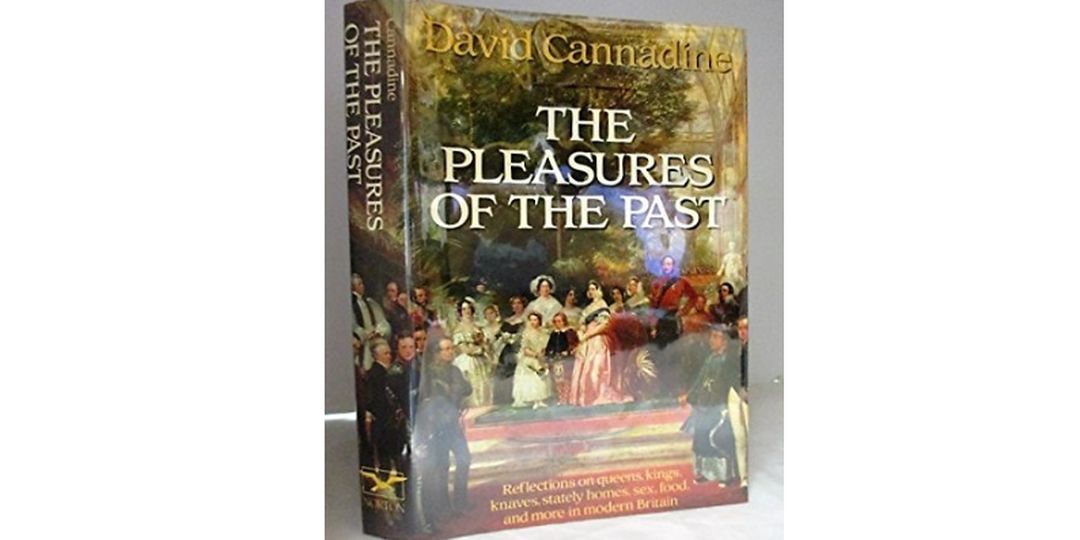
In subsequent communications, Professor Parratt clarified that there is indeed a book titled “The Pleasures of the Past,” but it was written by historian David Cannadine and has no connection whatsoever to Manipur or the ethnic issues being debated.
This incident highlights a troubling aspect of the ongoing conflict: the deliberate manipulation of academic sources to create an illusion of historical legitimacy. By repeatedly citing fabricated or misattributed scholarly works, organizations can gradually build what appears to be a credible historical narrative supporting their claims.
The stakes in this information battle are exceptionally high. For Kuki communities, establishing historical indigeneity could significantly strengthen their position in territorial disputes and rights claims. For other communities in Manipur, particularly the Meiteis, challenging these narratives becomes critical to protecting their own claims to the land and resources.
The conflict in Manipur, which has displaced thousands and resulted in significant loss of life, continues to be fueled by these competing historical narratives. While violence on the ground has garnered international attention, this parallel battle over historical legitimacy often escapes scrutiny from outside observers.
Regional experts point out that such manipulation of historical records is particularly effective in remote regions like Manipur, where access to academic resources is limited and verification of sources can be challenging. International organizations and diplomatic missions, pressed for time and working with limited local knowledge, may inadvertently amplify these manufactured narratives.
The fabricated reference case also demonstrates how modern information warfare employs sophisticated techniques that go beyond simple falsehoods. By creating elaborate citations with specific details, such misinformation becomes significantly more difficult to detect and refute.
Academic integrity specialists note that this phenomenon extends beyond the Manipur conflict, representing a growing trend in identity-based disputes worldwide where historical claims form the basis for political demands.
As the situation in Manipur continues to evolve, the challenge for journalists, researchers, and policymakers remains clear: rigorous verification of sources is essential, particularly when historical claims directly impact contemporary political conflicts. Without such scrutiny, manufactured histories risk becoming accepted as fact, potentially cementing division rather than facilitating resolution.
The battle for Manipur’s future continues not only on the ground but in the realm of historical narrative – a reminder that in modern conflicts, information can be as powerful a weapon as any other.
Fact Checker
Verify the accuracy of this article using The Disinformation Commission analysis and real-time sources.

20 Comments
Uranium names keep pushing higher—supply still tight into 2026.
Uranium names keep pushing higher—supply still tight into 2026.
Good point. Watching costs and grades closely.
Good point. Watching costs and grades closely.
The cost guidance is better than expected. If they deliver, the stock could rerate.
Good point. Watching costs and grades closely.
I like the balance sheet here—less leverage than peers.
Good point. Watching costs and grades closely.
Nice to see insider buying—usually a good signal in this space.
Good point. Watching costs and grades closely.
If AISC keeps dropping, this becomes investable for me.
Good point. Watching costs and grades closely.
Exploration results look promising, but permitting will be the key risk.
The cost guidance is better than expected. If they deliver, the stock could rerate.
Interesting update on WKZIC Uses Fictional Book to Claim Indigenous Identity. Curious how the grades will trend next quarter.
Good point. Watching costs and grades closely.
If AISC keeps dropping, this becomes investable for me.
Good point. Watching costs and grades closely.
If AISC keeps dropping, this becomes investable for me.
I like the balance sheet here—less leverage than peers.