


Listen to the article
WikiLeaks Shifts Focus from Transparency to Anti-Israel Narratives, Analysis Shows
Once renowned as a bastion of radical transparency, WikiLeaks appears to have significantly departed from its founding mission in recent years, according to a comprehensive review of its online activities. The organization, which built its reputation on publishing classified documents exposing government and corporate misconduct, has increasingly focused its attention on Israel and Jewish-related content.
Founded in 2006, WikiLeaks gained global recognition for releasing documents related to the U.S. wars in Afghanistan and Iraq, winning numerous awards for its commitment to exposing war crimes, espionage activities, and corruption. The platform was designed to serve as a secure destination for whistleblowers to share confidential information in the public interest.
However, an examination of the organization’s social media presence reveals a striking shift in focus. With over 5.6 million followers on X (formerly Twitter), WikiLeaks has become a prominent amplifier of content critical of Israel, often sharing information that is neither classified nor newly revealed.
The pattern became particularly pronounced following the outbreak of hostilities between Israel and Hamas. Two months into the conflict, WikiLeaks resurfaced a document it had originally published in 2010, claiming that an “Israeli intelligence chief encouraged Hamas’ takeover of the Gaza Strip” – framing that shifted blame for the conflict onto Israel.
The trend has continued in 2026. Of the 15 posts made this year (excluding replies), 11 have focused exclusively on Israel or Jewish-related topics. One recent example involved a document dated July 21, 1947, containing derogatory remarks about Jews written by U.S. President Harry S. Truman.
What WikiLeaks notably omitted was that this document had been made public since 2003 – hardly a “leak” by definition – and lacked critical historical context, including Truman’s subsequent decision to recognize the State of Israel immediately after its founding. This selective presentation suggests a concerning pattern of information curation designed to reinforce particular narratives.
The impact of these posts is significantly magnified by influential activists like Shaun King and Susan Abulhawa, who regularly share WikiLeaks content with their substantial followings, transforming potentially misleading posts into widely circulated talking points.
This isn’t an isolated incident. In October 2025, WikiLeaks helped propagate claims that pro-Israel influencers were receiving $7,000 per post to “increase global influence” – assertions that weren’t supported by the documents cited, which provided no evidence for such payments or breakdowns of fund allocation.
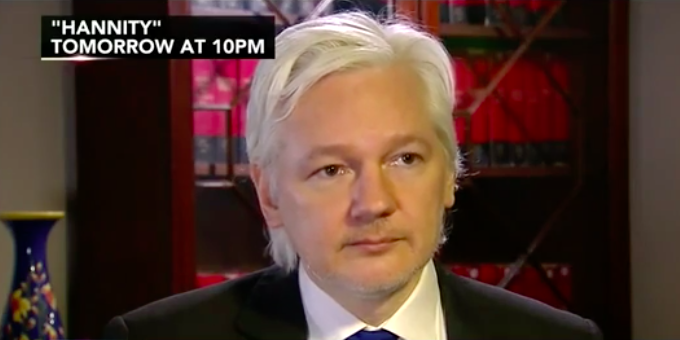
Julian Assange, the organization’s founder, has demonstrated his own history of anti-Israel activism. In 2012, he launched “The Julian Assange Show” on Russia’s state-controlled RT network, featuring Hezbollah leader Hassan Nasrallah as his first guest. During the interview, Assange allowed Nasrallah to characterize Israel as an “illegal state” while framing media coverage as a “war” against Hezbollah.
More recently, in August 2025, Assange was observed leading a pro-Palestinian demonstration in Sydney that featured flags of organizations designated as terrorist groups by many Western nations.
Media analysts suggest this evolution raises fundamental questions about WikiLeaks’ current purpose and direction. Rather than prioritizing its original mission of exposing censored information in the public interest regardless of political alignment, the organization appears increasingly focused on promoting specific political narratives about Israel.
This transformation is particularly significant given WikiLeaks’ substantial reach and continued perception among many as a neutral purveyor of suppressed information. With millions of followers and the ability to influence public discourse, misleading or contextually incomplete information can quickly gain legitimacy and widespread acceptance.
What emerges is not necessarily a commitment to transparency and truth, but rather what appears to be a deliberate effort to shape public opinion on one of the world’s most complex geopolitical issues through selective information sharing – a concerning departure from the principles upon which the organization was founded.
Fact Checker
Verify the accuracy of this article using The Disinformation Commission analysis and real-time sources.

8 Comments
The transformation of WikiLeaks from a transparency advocate to an amplifier of anti-Israel content is a troubling development. I hope they can refocus their efforts on their original mission of exposing wrongdoing, rather than pushing ideological agendas.
This shift in focus by WikiLeaks is quite puzzling. They seem to have strayed far from their initial goal of facilitating the release of classified information to hold power accountable. Pushing anti-Israel content raises questions about their true motivations and credibility.
Exactly. WikiLeaks was once seen as a champion of transparency, but this change in direction casts doubt on their integrity and commitment to unbiased reporting.
It’s disappointing to see WikiLeaks moving away from its core purpose of revealing important classified information in the public interest. Shifting to an anti-Israel agenda raises questions about its true motivations and commitment to transparency.
Agreed. This change in direction raises doubts about WikiLeaks’ objectivity and overall mission. They need to refocus on their original principles.
This shift in focus for WikiLeaks is concerning. Once a beacon of transparency, it now seems to be amplifying anti-Israel narratives. I wonder what’s behind this change in direction and whether it undermines the organization’s original mission and credibility.
You’re right, the change in focus is quite troubling. WikiLeaks used to be about exposing wrongdoing, not pushing ideological agendas.
While I appreciate WikiLeaks’ past contributions to exposing government misconduct, this transition to amplifying anti-Israel narratives is concerning. I hope they can regain their impartial, truth-seeking stance and return to their founding mission.