


Listen to the article
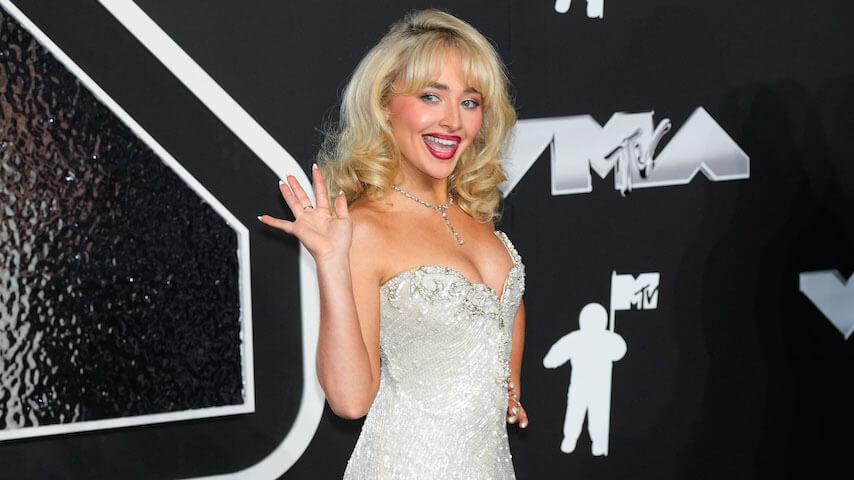
In a rare public confrontation between the entertainment industry and government officials, pop star Sabrina Carpenter has successfully pressured the White House to remove a controversial immigration video that used her music without permission.
The incident began Tuesday when the White House’s official X account published a video featuring footage of Immigration and Customs Enforcement (ICE) operations. The video was set to Carpenter’s 2024 hit song “Juno,” specifically looping the lyric “Have you ever tried this one?” repeatedly over the immigration enforcement imagery.
Carpenter responded swiftly with a public statement on the platform: “This video is evil and disgusting. Do not ever involve me or my music to benefit your inhumane agenda.” Her rebuke quickly gained traction, accumulating 1.7 million likes and approximately 140 million views, significantly outperforming the White House’s original post.
Following the backlash, the White House removed the video entirely from its social media presence, leaving only Carpenter’s response visible to users who followed the interaction. The administration initially offered what observers described as a dismissive reply before ultimately taking down the content.
This conflict highlights the ongoing tension between artists and political entities over unauthorized use of creative works. The practice of politicians using popular music without permission has become increasingly common in the digital age, where social media teams frequently incorporate recognizable songs into political messaging.
Carpenter joins a growing list of musicians who have objected to their work being co-opted for political purposes. Earlier this year, Kenny Loggins publicly objected to the use of his hit “Danger Zone” in White House media content, while rock band The White Stripes reportedly threatened legal action when their song “Seven Nation Army” appeared in official government videos.
Music industry experts note that such unauthorized uses often fall into legally complex territory. While politicians may attempt to claim fair use exemptions, artists and their labels have increasingly pushed back, citing both copyright concerns and the potential damage to their personal brands when associated with polarizing political messages.
“Artists are becoming more proactive about protecting how their music is used in political contexts,” explains entertainment attorney Maria Gonzalez. “Beyond copyright issues, there’s the fundamental question of whether an artist wants their creative work associated with specific policies or political figures.”
The digital age has complicated these disputes, as social media allows government entities to rapidly produce and distribute content that reaches millions before artists can respond. In Carpenter’s case, her significant social media following likely contributed to her successful pressure campaign.
Notably absent from the public discourse has been Taylor Swift, whose music has reportedly been used in similar contexts without public objection from the artist. Swift’s political positioning has been the subject of much speculation in recent years, with the artist becoming more outspoken on certain issues while remaining silent on others.
Music industry analysts suggest this incident may prompt more formalized processes around the use of popular music in government communications. Some artists have begun including specific clauses in their licensing agreements that explicitly prohibit political usage without direct consent.
While the White House has not issued an official statement regarding the removal of the video, the incident demonstrates the potential influence artists can wield in the digital public square when they directly challenge powerful institutions.
Industry watchers expect that similar confrontations will continue as government social media strategies increasingly incorporate popular culture references to amplify messaging around contentious policy areas like immigration enforcement.
Fact Checker
Verify the accuracy of this article using The Disinformation Commission analysis and real-time sources.

11 Comments
This situation raises important questions about the intersection of government communication, artistic rights, and public perception. The White House’s actions seem questionable, but I’m interested to learn more about the specifics and whether there were any attempts to get Carpenter’s approval beforehand.
This highlights the delicate balance between government communication and respecting artistic rights. While the White House may have felt the video supported their agenda, they should have obtained Carpenter’s approval first. Censorship is a serious issue, but so is unauthorized use of intellectual property.
Good point. Both sides have valid concerns here. The White House needs to be more mindful of these dynamics going forward.
This controversy highlights the challenges that can arise when government and entertainment intersect. While the White House may have seen the video as advancing their agenda, they should have respected Carpenter’s rights as the artist. Hopefully they learn from this experience.
It’s good to see Sabrina Carpenter take a stand against the unauthorized use of her music. Artists should have autonomy over how their creative works are utilized, especially in sensitive political contexts. The White House’s actions seem questionable here.
I’m curious to learn more about the specifics of this case – was there any attempt by the White House to get permission from Carpenter before using her song? The public backlash suggests they may not have followed proper protocol.
That’s a good question. The details around the permission process, or lack thereof, could shed more light on this situation and any potential missteps by the administration.
Interesting development. While the White House may have felt the video supported their messaging, they needed to properly secure Carpenter’s permission first. Unauthorized use of an artist’s work, especially for political purposes, is problematic. Curious to see how this plays out.
The White House’s unauthorized use of Sabrina Carpenter’s music in this controversial video is concerning. Artists should have control over how their creative works are utilized, especially in sensitive political contexts. Hopefully the administration learns from this experience and is more mindful of such issues going forward.
Interesting turn of events. Glad to see Sabrina Carpenter stand up against the White House’s unauthorized use of her music for a controversial immigration video. Artists should have control over how their work is used, especially for political messaging.
Agreed. The White House should be more careful about securing permission before using copyrighted material, especially in a sensitive political context.