


Listen to the article
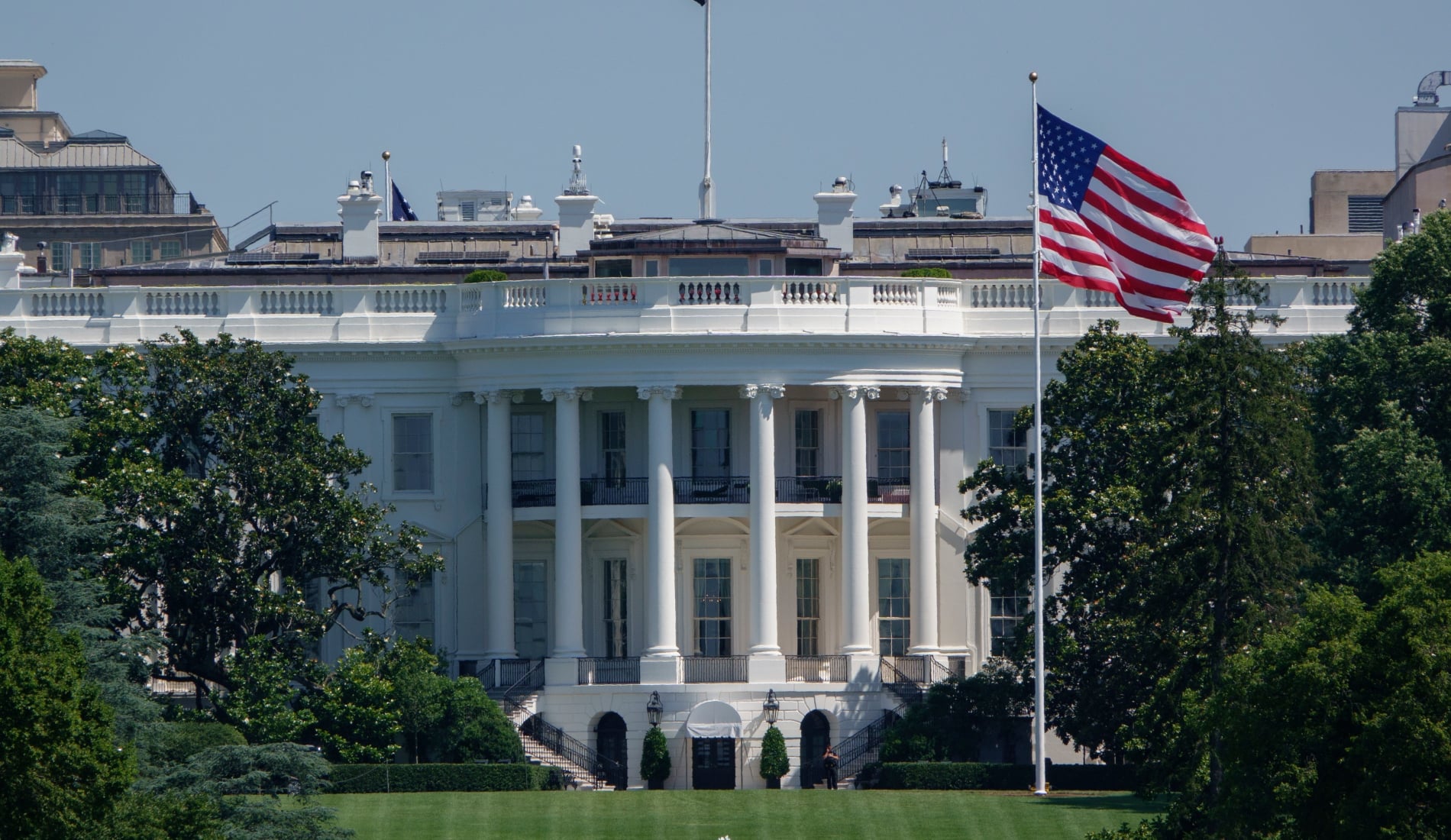
The White House sparked controversy this week after sharing a military-themed video montage on its official X account that many critics described as inappropriate government propaganda.
The 45-second clip, set to Nelly’s “Here Comes the Boom,” appears to showcase U.S. airstrikes and military operations in Iran, though some footage’s authenticity has been questioned. The post was captioned with “If you don’t know, now you know,” a line borrowed from a Notorious B.I.G. song, further drawing criticism for its casual tone regarding military actions.
The video quickly generated thousands of responses, with many users expressing shock that such content would come from an official government channel. “Is this for 12-year-old boys? This is so embarrassing that this comes from the White House account,” wrote one commenter. Others labeled it “war porn” and questioned the ethical implications of glamorizing military strikes.
Political analysts suggest the video represents a significant departure from traditional White House communications strategy. While presidential administrations have always promoted military achievements, the stylized, music-video approach with combat footage has raised concerns about the normalization of warfare.
“There’s a clear line between informing the public about military operations and creating entertainment out of conflict,” said Dr. Melissa Hernandez, professor of political communications at Georgetown University. “This video blurs those boundaries in troubling ways.”
The choice of Nelly’s song has raised additional questions about copyright permissions, though the rapper did perform at the 2025 inauguration, suggesting some level of support for the administration. The White House has not responded to inquiries about whether proper licensing was secured for the song’s use.
Social media users were quick to draw comparisons between the video and popular military-themed video games. “The White House using Call of Duty as their propaganda is WILD. That’s why they defunded education,” one user commented, referring to the popular first-person shooter franchise. Another remarked that the government had adopted “propaganda editing techniques” reminiscent of “Call of Duty: Modern Warfare 3.”
The controversy comes amid escalating tensions with Iran, raising questions about the administration’s communication strategy regarding international conflicts. Foreign policy experts have expressed concern that such provocative content could potentially inflame diplomatic situations rather than foster understanding of complex geopolitical issues.
Media ethics specialists point to the growing trend of government entities adopting social media tactics more commonly associated with entertainment or commercial marketing. “When official channels start mimicking viral content strategies, especially regarding matters as serious as military action, it fundamentally changes how citizens perceive government communication,” noted media ethics researcher James Williams.
The White House communications team has faced previous criticism for its social media approach, including late-night posts and the sharing of controversial memes, but the military montage represents a significant escalation in what critics call “government propaganda.”
As of publication, the video remains on the White House X account and has accumulated over three million views, highlighting the reach of such content regardless of the criticism it has received.
This incident underscores broader questions about appropriate boundaries for government communications in the digital age, where the line between informing the public and creating propaganda continues to shift as administrations adapt to social media platforms and their predominantly younger audiences.
Fact Checker
Verify the accuracy of this article using The Disinformation Commission analysis and real-time sources.

14 Comments
This video seems like a misstep by the White House. While showcasing military prowess may be a priority, the stylized, almost celebratory nature of the content is concerning. They should reconsider this type of messaging.
I agree, the White House needs to be more mindful of how this type of content could be perceived, especially on an official government channel.
As a supporter of a strong national defense, I’m not opposed to the White House highlighting military achievements. However, this particular video seems to lack nuance and sensitivity around the use of force.
I agree, there has to be a more thoughtful and responsible way to communicate these issues to the public.
As someone who generally supports a strong national defense, I’m a bit puzzled by this video. The music-video approach feels inappropriate and could be seen as trivializing military action. The White House should reevaluate this strategy.
Absolutely, the White House should focus on more sober, factual communications that highlight military achievements without resorting to sensationalism.
Wow, this video seems like an inappropriate use of government resources. Portraying military action with a slick music video feels more like propaganda than informative communication.
I agree, the casual tone and glorification of violence is concerning. The White House should focus on more constructive messaging.
While I understand the desire to showcase American military capabilities, this video feels like it crosses an ethical line. Glamorizing airstrikes is concerning and could be seen as inflammatory.
Exactly, the White House should be more mindful of how this type of content could be perceived, especially on an official government channel.
This video is a bit jarring. While I understand the intent, the music-video style and combat footage feels inappropriate coming from the White House. Perhaps a more sober, factual approach would be better.
Agreed, the casual tone and visuals seem out of place for official government communications. They should reconsider this messaging strategy.
I’m curious to hear more about the context and intent behind this video. While the execution may be questionable, I’d be interested in understanding the White House’s rationale for sharing this content.
That’s a fair point. Transparency around the decision-making process could help provide better context and allay concerns about the appropriateness of this approach.