


Listen to the article
False Rumors Circulate About White House Ban on CNN
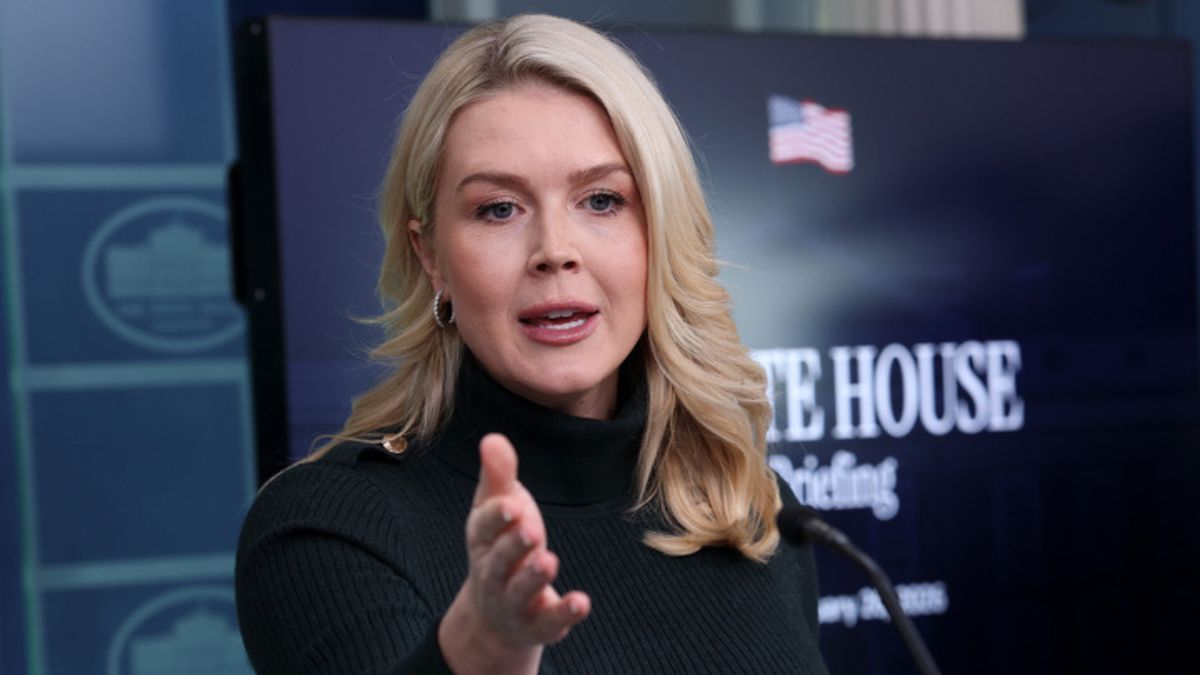
Viral social media claims suggesting the White House has permanently banned CNN have been debunked as fabrications originating from a satirical source. The posts, which gained significant traction in late January and early February 2026, falsely attributed inflammatory statements to White House Press Secretary Karoline Leavitt.
The rumor spread rapidly across platforms, with one post on X garnering over 140,000 views. The fabricated quote claimed Leavitt had called CNN a “pure radical leftist propaganda brainwashing machine” while announcing a supposed permanent ban on the network’s access to the White House.
Investigation revealed the claim originated with “America’s Last Line Of Defense” (ALLOD), a social media account that explicitly labels its content as satirical. The original post included a watermark identifying it as satire, and the account’s biography clearly states: “Nothing on this page is real.”
No credible evidence exists showing Leavitt ever made such statements about CNN. Had the press secretary actually declared CNN “isn’t news, it’s radical leftist propaganda,” major news outlets—including CNN itself—would have covered the controversial remarks extensively.
The fabricated story gained traction partly because it played into existing tensions between the Trump administration and mainstream media outlets. Since returning to office in 2025, the Trump White House has indeed restricted access for several news organizations, including The Associated Press, Reuters, and Bloomberg, creating a climate where such claims might seem plausible to some readers.
The viral posts followed authentic incidents where Leavitt publicly called a reporter a “left-wing hack” after questions about a federal agent’s fatal shooting of Minneapolis resident Renee Good. This real confrontation likely made the fabricated quotes seem more believable to casual readers.
ALLOD has a documented history of creating fictional stories designed to generate shares and engagement online. The account frequently uses artificial intelligence writing software to produce convincing but entirely fictional content. Fact-checking organization Snopes has previously addressed numerous false claims from this source, including fabricated reports about progressive politicians’ net worth and allegations about unpaid taxes.
The incident highlights the ongoing challenge of distinguishing between genuine news and satirical or deliberately misleading content on social media platforms. Without proper context or clear labeling, posts originally intended as satire can quickly transform into misinformation as they’re shared beyond their original context.
Media literacy experts recommend verifying claims through multiple credible sources before sharing them, particularly when they involve provocative statements from government officials that would typically generate widespread coverage if authentic.
While the Trump administration has had a contentious relationship with CNN and other news outlets throughout both terms in office, there has been no official permanent ban of the network from White House press events as of February 2026.
Fact Checker
Verify the accuracy of this article using The Disinformation Commission analysis and real-time sources.

8 Comments
I’m curious to know more about the origins of this false claim. Was it just a case of poor fact-checking, or was there a more deliberate attempt to mislead the public? Either way, it’s concerning to see how quickly misinformation can spread these days.
You raise a good point. The article mentions the claim originated from a satirical source, but it’s worrying how easily that content was then taken as fact and amplified. We need to be vigilant about scrutinizing the sources of information, especially on sensitive political topics.
This situation highlights the need for increased media literacy and critical thinking when it comes to online content. We should all be more cautious about readily accepting and sharing information, especially if it seems particularly inflammatory or politically charged.
I appreciate the White House taking the time to address this rumor and set the record straight. It’s important for government officials to be proactive in countering the spread of false information, even if it originates from seemingly innocuous sources.
Absolutely. Prompt responses from credible authorities can help limit the damage caused by misinformation campaigns. Maintaining public trust is crucial, especially on sensitive political issues.
This seems like another case of misinformation spreading quickly online. I’m glad the White House was quick to deny the claims and set the record straight. It’s important to verify information before sharing it, especially on sensitive political topics.
Agreed. Satirical or fabricated content can be easily mistaken as real, especially when it goes viral on social media. Fact-checking is crucial to avoid contributing to the spread of disinformation.
While I’m glad the White House was able to quickly refute this claim, it’s troubling to see how quickly misinformation can spread in the digital age. This highlights the importance of media literacy and fact-checking, especially when it comes to high-profile political stories.