


Listen to the article
US Investigation Confirms American Missile Strike on Iranian School, While White House Releases Controversial War Videos
US investigators have confirmed that an American Tomahawk missile was responsible for destroying Shajarah Tayyebeh, an elementary school for girls in the Iranian city of Minab, according to preliminary findings published by The New York Times on Wednesday. The strike killed approximately 175 people by Iranian estimates, with most victims being children.
Verified footage from the aftermath shows a light blue mural depicting a child playing with a butterfly still visible on the building’s damaged outer wall. The audio captures the anguished wails of those who lost children in the attack.
Just one day after this devastating news broke, the White House released a video portraying the Iran war in the style of a Nintendo game. Set to upbeat music, the video shows the United States as a player in various Wii Sports games, cutting between gaming animations and real footage of US bombs hitting Iranian targets. When a virtual player scores a “hole in one” or bowls a strike, the video cuts to actual bombing footage.
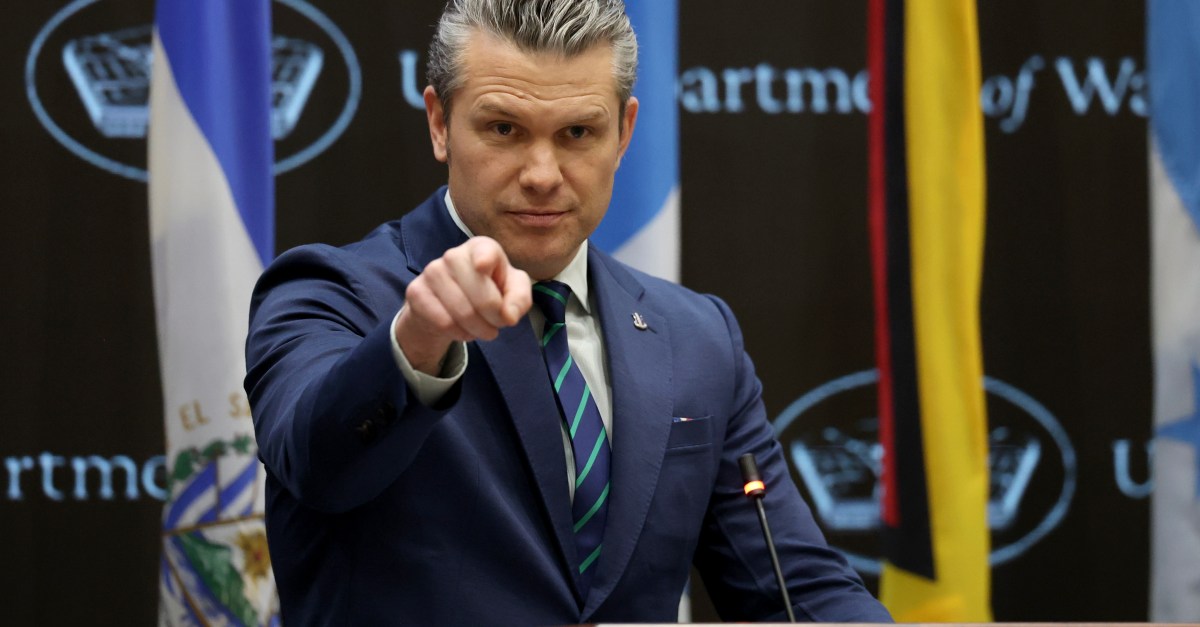
This is not an isolated incident. Throughout the conflict, various official administration social media accounts have posted videos intercutting real bombing footage with clips from violent video games, war films like “Braveheart,” sports highlights, and speeches from Secretary of Defense Pete Hegseth set to dramatic music.
“The Trump administration is staffed, from top to bottom, by inveterate posters. They have turned everything — from the end of foreign aid to ICE raids — into memes,” notes media analyst Nick Cull from USC’s Annenberg School of Communication. “Previous administrations used to talk carefully and regretfully about military actions. Under Trump, the US reduces American military activity to team talk — high school football cheering.”
The contrast between the tragic school bombing and the administration’s gamified portrayal of war highlights what critics see as a troubling disconnect from reality. The White House’s communications approach seems designed to appeal to their base rather than persuade neutral audiences, replacing serious consideration of war’s consequences with meme-worthy content.
The Minab school bombing appears to have been a targeting error. Years ago, the school was reportedly part of a nearby Iranian navy facility. However, experts suggest this tragic mistake might have been preventable. Over the past year, Secretary Hegseth has dismantled Pentagon offices specifically designed to assess intelligence and prevent excessive civilian casualties, describing military lawyers as impediments to America’s military “lethality.”
President Trump has responded to the Minab tragedy with what fact-checkers call misleading statements, including a claim that an Iranian Tomahawk missile destroyed the school, despite these being American-made weapons that Iran does not possess.
This administration’s approach to war communications stands in sharp contrast to historical precedent. Traditionally, American wartime propaganda has followed a predictable script: presidents build a case that war is a terrible necessity, official government messaging remains relatively restrained, and the most provocative content typically comes from the press or popular culture rather than official channels.
The current approach reflects the media backgrounds of key administration figures. The president himself is a former reality TV host, the defense secretary is a former Fox News personality (as were at least 20 other high-level appointees), and some of the administration’s most influential allies own social media platforms that amplify these messages.
Critics argue this social media-focused approach to warfare creates a dangerous disconnect from the human toll of military action. As philosopher Jean Baudrillard noted during the 1991 Gulf War, the visual spectacle of war on media can construct a narrative that bears little resemblance to the reality on the ground.
As the conflict continues, the stark contrast between official communications celebrating “sick kills” and the tragedy at Minab school underscores profound questions about accountability, media ethics, and the human cost of modern warfare.
Fact Checker
Verify the accuracy of this article using The Disinformation Commission analysis and real-time sources.

27 Comments
Interesting update on White House Cautions Against Viewing Potential Iran Conflict as Entertainment. Curious how the grades will trend next quarter.
I like the balance sheet here—less leverage than peers.
I like the balance sheet here—less leverage than peers.
Good point. Watching costs and grades closely.
Interesting update on White House Cautions Against Viewing Potential Iran Conflict as Entertainment. Curious how the grades will trend next quarter.
Good point. Watching costs and grades closely.
Exploration results look promising, but permitting will be the key risk.
Exploration results look promising, but permitting will be the key risk.
Good point. Watching costs and grades closely.
Nice to see insider buying—usually a good signal in this space.
Good point. Watching costs and grades closely.
Nice to see insider buying—usually a good signal in this space.
Good point. Watching costs and grades closely.
Good point. Watching costs and grades closely.
Production mix shifting toward Propaganda might help margins if metals stay firm.
Good point. Watching costs and grades closely.
Good point. Watching costs and grades closely.
If AISC keeps dropping, this becomes investable for me.
The cost guidance is better than expected. If they deliver, the stock could rerate.
Good point. Watching costs and grades closely.
Good point. Watching costs and grades closely.
If AISC keeps dropping, this becomes investable for me.
Good point. Watching costs and grades closely.
Good point. Watching costs and grades closely.
Uranium names keep pushing higher—supply still tight into 2026.
Good point. Watching costs and grades closely.
Exploration results look promising, but permitting will be the key risk.