


Listen to the article
When Propaganda Meets Reality: SDF-Syria Agreement Challenges Prior Narratives
Recent developments in Syria have exposed a stark contrast between propaganda claims and on-the-ground realities as the YPG-dominated Syrian Democratic Forces (SDF) reached an integration agreement with the Syrian government. This reconciliation comes after intense fighting in Aleppo that triggered a wave of alarmist narratives.
When clashes erupted between Syrian army forces and SDF-affiliated groups in Aleppo’s Kurdish neighborhoods, a flurry of claims spread rapidly through various media channels. Some reports alleged that 400,000 Syrian Kurds faced imminent massacre, a figure that even appeared in an official OCHA report despite lacking verification.
The propaganda campaign portrayed Syrian government forces as “Daesh thugs” poised to commit atrocities against Kurdish populations. However, these narratives have been called into question following the rapid resolution of the conflict and subsequent agreement between the parties.
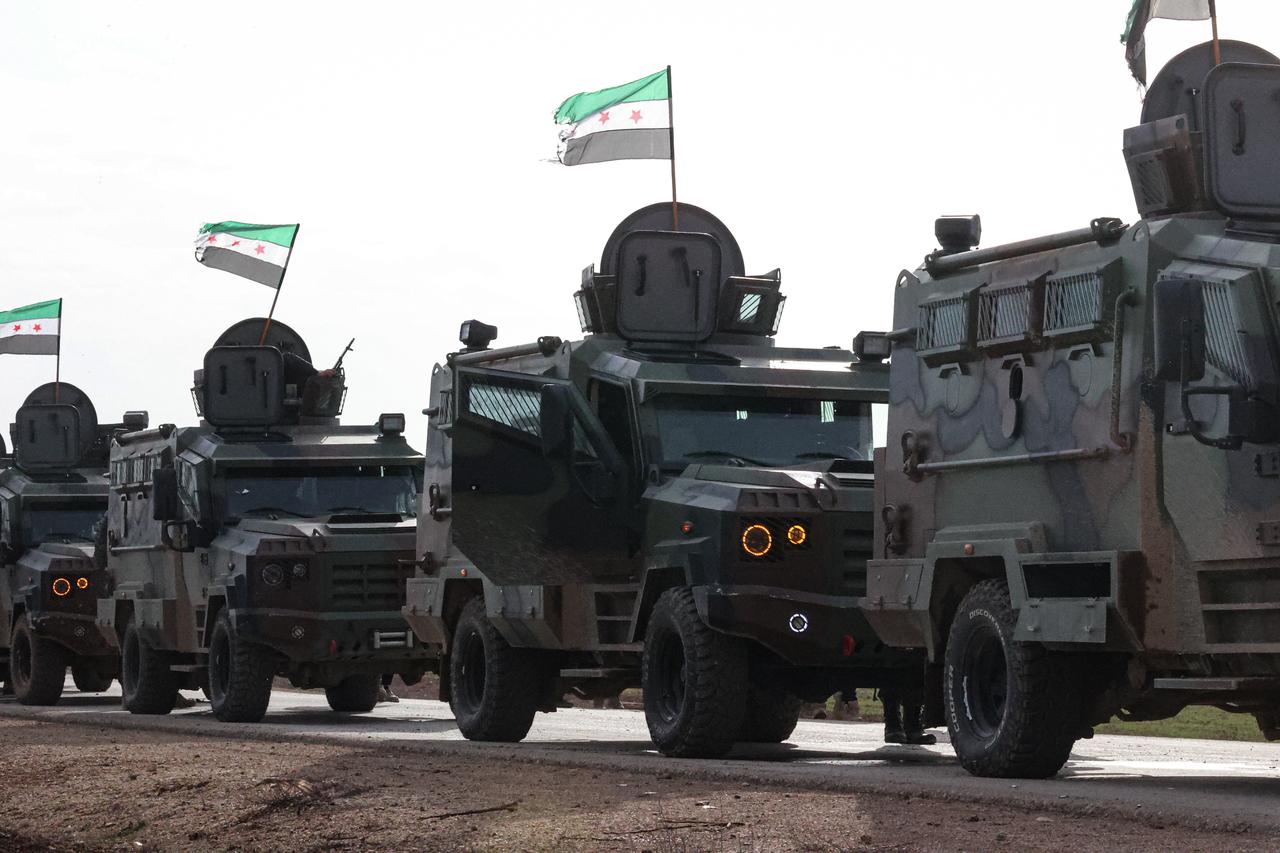
The new integration deal, signed in early February, builds upon a January 18 agreement that established a framework for incorporating SDF members and institutions into the Syrian state apparatus. This latest arrangement specifically covers the strategic northeastern cities of Hasakah and Qamishli and includes provisions for military integration.
For observers who witnessed the barrage of alarming reports, the swift transition from alleged existential threat to negotiated settlement presents a cognitive challenge. How can claims of imminent genocide be reconciled with a voluntary integration agreement signed only days later?
According to regional analysts, the propaganda effort extended beyond YPG-affiliated channels. Iraqi Kurdish media outlets, including the influential Rudaw network, amplified these narratives. One particularly questionable claim involved reports that five Syrian Kurdish children had frozen to death—a story circulated without verification and later called into question.
More troubling was the mischaracterization of religious practices, with Rudaw allegedly framing the recitation of Surah al-Anfal from the Quran as a deliberate reference to Saddam Hussein’s genocidal Anfal campaign against Iraqi Kurds in the 1980s—a connection that appears designed to trigger historical trauma.
Counter-narratives suggest that the situation on the ground contradicted much of this reporting. When Syrian government forces moved into certain areas previously controlled by YPG forces, local Arab populations reportedly celebrated in the streets, viewing the development as liberation rather than occupation.
Human rights monitors have documented concerning actions by both sides, with reports that YPG forces committed violence against Syrian Arab civilians in areas under their control, including alleged summary executions of prisoners—actions largely absent from pro-Kurdish media coverage.
The SDF, dominated by the YPG (which Turkey and some other countries designate as the Syrian branch of the PKK terrorist organization), now faces a complex communication challenge. Under the leadership of Mazloum Abdi, the group must explain to supporters why it has chosen accommodation with the Syrian government after years of portraying Damascus as an existential threat.
Military analysts suggest the agreement reflects shifting power dynamics in northeastern Syria, where external support for Kurdish autonomy has waned in recent years. The withdrawal of some U.S. forces and pressure from Turkish military operations along the border have left the SDF in a vulnerable position, making reconciliation with Damascus increasingly necessary for survival.
For civilians caught in these shifting alliances, the propaganda-reality gap creates dangerous confusion. Communities making life-or-death decisions about whether to flee or stay often rely on media reports that, as this case demonstrates, can be highly unreliable during active conflicts.
The credibility of all parties in the Syrian conflict has suffered from such information warfare tactics. If the integration deal holds, observers suggest the YPG leadership must address the contradictions between their previous messaging and current actions to maintain trust among their core constituencies.
As Syrian government forces enter Qamishli under the terms of the new agreement, the real test will be implementation—whether the arrangement brings stability to northeastern Syria or merely represents a temporary tactical adjustment in a conflict that has repeatedly defied resolution for more than a decade.
Fact Checker
Verify the accuracy of this article using The Disinformation Commission analysis and real-time sources.

21 Comments
Interesting update on When Propaganda Crumbles: Examining the Disconnect Between SDF Claims and Syrian Reality. Curious how the grades will trend next quarter.
Good point. Watching costs and grades closely.
Good point. Watching costs and grades closely.
Uranium names keep pushing higher—supply still tight into 2026.
Good point. Watching costs and grades closely.
If AISC keeps dropping, this becomes investable for me.
Good point. Watching costs and grades closely.
Good point. Watching costs and grades closely.
Silver leverage is strong here; beta cuts both ways though.
Good point. Watching costs and grades closely.
Good point. Watching costs and grades closely.
If AISC keeps dropping, this becomes investable for me.
Good point. Watching costs and grades closely.
Production mix shifting toward Propaganda might help margins if metals stay firm.
Good point. Watching costs and grades closely.
Good point. Watching costs and grades closely.
The cost guidance is better than expected. If they deliver, the stock could rerate.
Good point. Watching costs and grades closely.
Production mix shifting toward Propaganda might help margins if metals stay firm.
Good point. Watching costs and grades closely.
Good point. Watching costs and grades closely.