


Listen to the article
The Fine Line Between Documentary and Propaganda: A Media Literacy Guide
Every year, documentary films capture the attention of millions, from Academy Award nominees to viral streaming sensations. These films promise to make viewers smarter, offering deep dives into complex issues. But the documentary landscape has become increasingly complicated as the line between objective exploration and agenda-driven content blurs.
The very definition of a documentary—coined by film pioneer John Grierson as the “creative treatment of actuality”—contains an inherent tension. That word “creative” opens the door to interpretation, bias, and potentially manipulation.
“The fundamental difference is straightforward,” explains media literacy expert Dr. Maya Reynolds. “A true documentary begins with a question and searches for an answer, while propaganda starts with an answer and simply looks for footage to support it.”
This distinction is crucial for viewers. Propaganda isn’t necessarily built on fabrications—it often uses authentic footage. The difference lies in intent. When a film aims to bypass critical thinking and sell viewers on a person, ideology, or cause without presenting balanced evidence, it crosses into propaganda territory.
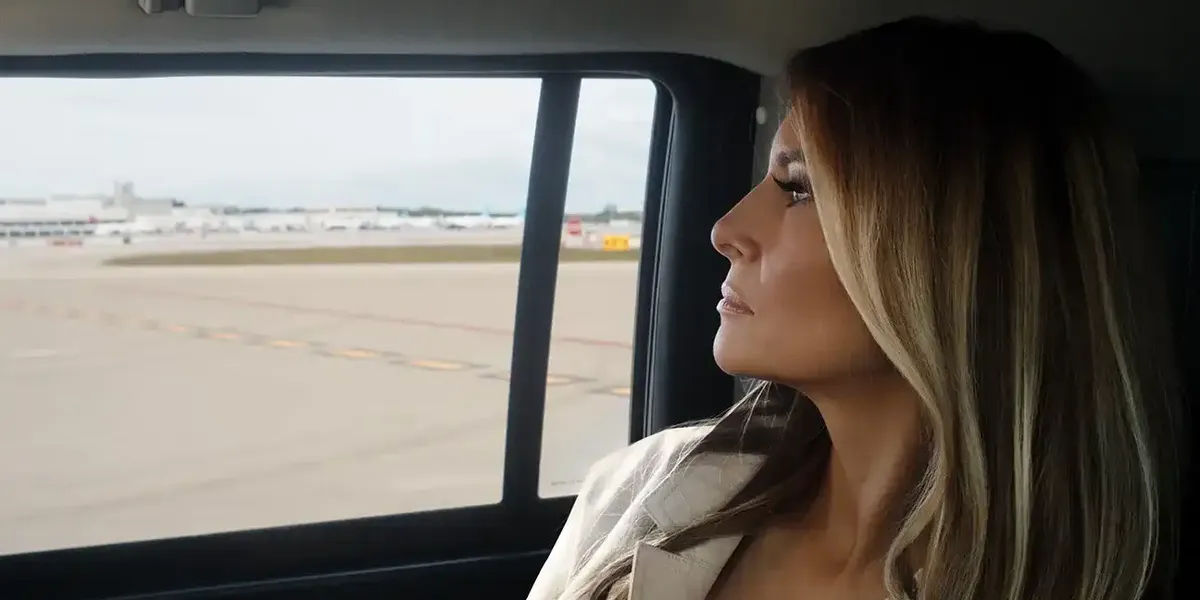
The recent announcement of Amazon’s $40 million documentary “Melania,” directed by Brett Ratner, has ignited debate among media critics. The film, which chronicles the 20 days before former President Trump’s time in office and the First Lady’s role during the transition, raises several red flags that media analysts are examining.
“When a subject is also listed as an Executive Producer, viewers should approach with caution,” notes film critic James Whittaker. “That arrangement often means the subject has significant control over the final product, transforming what could be journalism into something closer to an authorized biography.”
Other warning signs include heavily stylized cinematography—what industry professionals call “God-light” and heroic slow-motion sequences—that frames subjects in reverential ways rather than neutral observation. Early reviews of “Melania” also note the absence of meaningful conflict, which documentary filmmaker Elena Santos describes as “the soul of authentic storytelling but the enemy of propaganda.”
“Propaganda creates a world where everything appears under control and unified,” Santos explains. “Real documentaries embrace the messiness of truth.”
The history of documentary filmmaking includes clear examples of propaganda masquerading as objective reporting. Leni Riefenstahl’s “Triumph of the Will” (1935) remains perhaps the most notorious example. The film employed innovative camera techniques and editing to portray Adolf Hitler as a messianic figure and Nazi Germany as an unstoppable force.
Even celebrated American filmmaker Frank Capra created the “Why We Fight” series (1942), which used Disney animation and frontline footage to build public support for American involvement in World War II. While serving a national purpose during wartime, these films were designed to recruit rather than to present nuanced analysis.
The digital age has complicated matters further. Streaming platforms have fueled an explosion in documentary production, with more than 4,000 documentary features released in 2022 alone—a 470% increase from a decade earlier, according to industry data. This flood of content makes media literacy more essential than ever.
“Viewers need to approach documentaries with the same critical eye they’d bring to any news source,” advises media studies professor Dr. Thomas Chen. “Ask who funded the project, what access was granted, what perspectives are missing, and whether the film allows for complexity or simplifies issues into good versus evil narratives.”
Film schools are increasingly incorporating media literacy into their documentary curriculum. New York Film Academy documentary instructor Lisa Moreno emphasizes to her students that “the edit is where ethics lives in documentary filmmaking. Every cut is a choice that shapes the viewer’s understanding.”
As audiences navigate this complex media landscape, the responsibility falls on both creators and consumers. Filmmakers must consider whether they’re allowing reality to surprise them or forcing footage to fit preconceived narratives. Viewers must develop the skills to distinguish between genuine exploration and sophisticated persuasion.
Perhaps the best approach is to watch widely, compare sources, and maintain a healthy skepticism—recognizing that even the most seemingly objective documentary represents choices made by its creators about what to include, emphasize, and leave out.
Fact Checker
Verify the accuracy of this article using The Disinformation Commission analysis and real-time sources.

7 Comments
As a fan of documentaries, I’m concerned about the blurring of lines between objective exploration and agenda-driven content. The media literacy guidance provided here is valuable for discerning fact from fiction.
This is a timely discussion given the prevalence of documentaries and the need for media literacy. I agree that intent is key – true docs should present balanced evidence, not just footage to support a predetermined narrative.
Exactly. Bypassing critical thinking and pushing an ideology is the hallmark of propaganda, not a genuine documentary. Viewers must stay vigilant.
The article raises important questions about the ethical responsibilities of documentary filmmakers. Creative treatment of actuality is a fine line to walk. Transparency around biases and balanced perspectives are crucial.
I agree. Documentaries wield significant influence, so the filmmakers’ motivations and methods should be scrutinized carefully. Objectivity is an ideal, but hard to achieve perfectly.
Interesting topic on the blurry line between documentary and propaganda. It’s important for viewers to be discerning and critical when watching films on complex issues. Objective exploration vs. agenda-driven content is a crucial distinction.
This is a complex issue without easy answers. The article highlights important distinctions, but reasonable people may disagree on where to draw the line. Healthy skepticism is warranted when consuming any non-fiction media.