


Listen to the article
Controversy Surrounds Box Office Hit “Dhurandhar: The Revenge” Amid Propaganda Claims
Aditya Dhar’s latest blockbuster “Dhurandhar: The Revenge” has generated significant controversy despite its remarkable commercial success. The film, starring Ranveer Singh, Arjun Rampal, and Sanjay Dutt, has dominated the box office while simultaneously igniting debates about its political undertones.
The action thriller has amassed over Rs 400 crore domestically within just four days of its release, with global earnings approaching Rs 700 crore. However, this financial triumph has been accompanied by accusations on social media that the film serves as political propaganda, allegedly offering unwarranted praise to the current Indian administration.
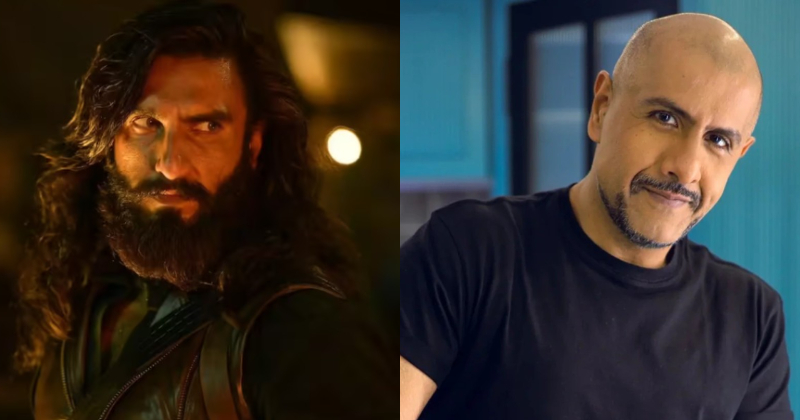
Music composer and judge Vishal Dadlani has entered the fray, seemingly taking aim at the film through a pointed Instagram story. “Watch films for fun, but get your information from better sources,” Dadlani wrote. The post included a screenshot from Google AI listing terrorist attacks in India that occurred after the 2016 demonetization—appearing to challenge narratives presented in the film.
The controversy highlights the increasingly blurred lines between entertainment and political messaging in contemporary Indian cinema. Films with nationalist themes have become more prevalent in recent years, often enjoying both commercial success and critical scrutiny regarding their portrayal of historical events and current political climates.
Social media reactions to Dadlani’s commentary have been divided. Some users supported his implied criticism, with one commenting, “No way Vishal Dadlani cooked propagandist Aditya Dhar through his Insta story.” Others dismissed Dadlani’s perspective, with responses like, “You can cook someone only if you are taken seriously. This one doesn’t hold that logic.”
The debate extends beyond individual opinions to broader questions about artistic license and historical representation in cinema. One Twitter user expressed confusion about the propaganda allegations, writing, “It’s a fictional storyline based off real events and people but still fiction. Quentin Tarantino, for example, does it all the time, nobody thinks it’s propaganda.”
Another commenter addressed the film’s educational impact: “Bollywoodias should stop thinking that the public has the same IQ level as them. No one takes history lessons from movies. References are only used in film after which the audience can research them on their own.”
The controversy surrounding “Dhurandhar: The Revenge” reflects a larger trend in Indian cinema where films touching on nationalist themes or recent historical events face intense scrutiny regarding their political leanings. Similar debates have surrounded other commercially successful films that critics claim present simplified or politically favorable narratives of complex events.
Director Aditya Dhar, who previously helmed the nationalist-themed hit “URI: The Surgical Strike,” has yet to publicly respond to these criticisms. The film’s marketing has positioned it as an action-thriller inspired by actual events, though the extent of its historical accuracy remains contested.
Despite—or perhaps partly because of—this controversy, audiences continue to flock to theaters to watch “Dhurandhar: The Revenge,” demonstrating that political debates surrounding films often do little to diminish their commercial appeal.
The film’s significant box office performance amid these discussions highlights the complex relationship between commercial cinema, political messaging, and audience reception in contemporary India—where entertainment, history, and politics increasingly intersect in ways that provoke both financial success and ideological debate.
Fact Checker
Verify the accuracy of this article using The Disinformation Commission analysis and real-time sources.

8 Comments
The box office success of ‘Dhurandhar: The Revenge’ is impressive, but the allegations of political propaganda are concerning. As Vishal Dadlani points out, we should be cautious about taking films as gospel truth on complex issues.
Well said. Blurring the lines between entertainment and propaganda can be dangerous. Seeking out objective information from credible sources is crucial.
The success of ‘Dhurandhar: The Revenge’ is undeniable, but the allegations of political messaging are troubling. As consumers, we should approach all media with a critical eye and seek out reliable sources to inform our understanding of complex issues.
I agree completely. It’s important to be discerning and not let entertainment blur with propaganda, no matter how successful a film may be.
Interesting to see the controversy around this film. While movies can be entertaining, we should be careful not to blindly accept them as historical fact. It’s important to seek out reliable sources and form our own opinions.
I agree. Films should be viewed as art and entertainment, not necessarily as accurate historical accounts. A critical eye is important when consuming media.
This debate highlights the importance of separating fact from fiction, even in popular media. While films can be thought-provoking, we must remember their primary purpose is to entertain, not to serve as historical documentation.
While the box office numbers for ‘Dhurandhar: The Revenge’ are impressive, the concerns raised about its political undertones are valid. As Vishal Dadlani suggests, we should view films as entertainment first and foremost, and turn to other sources for accurate information.