


Listen to the article
“The Kerala Story 2” Sparks Heated Debate as It Reaches Theaters
“The Kerala Story 2: Goes Beyond” has finally arrived in theaters following the Kerala High Court’s decision to lift the stay on its release. The film began screening on the evening of February 27, immediately generating polarized reactions across social media platforms and among critics.
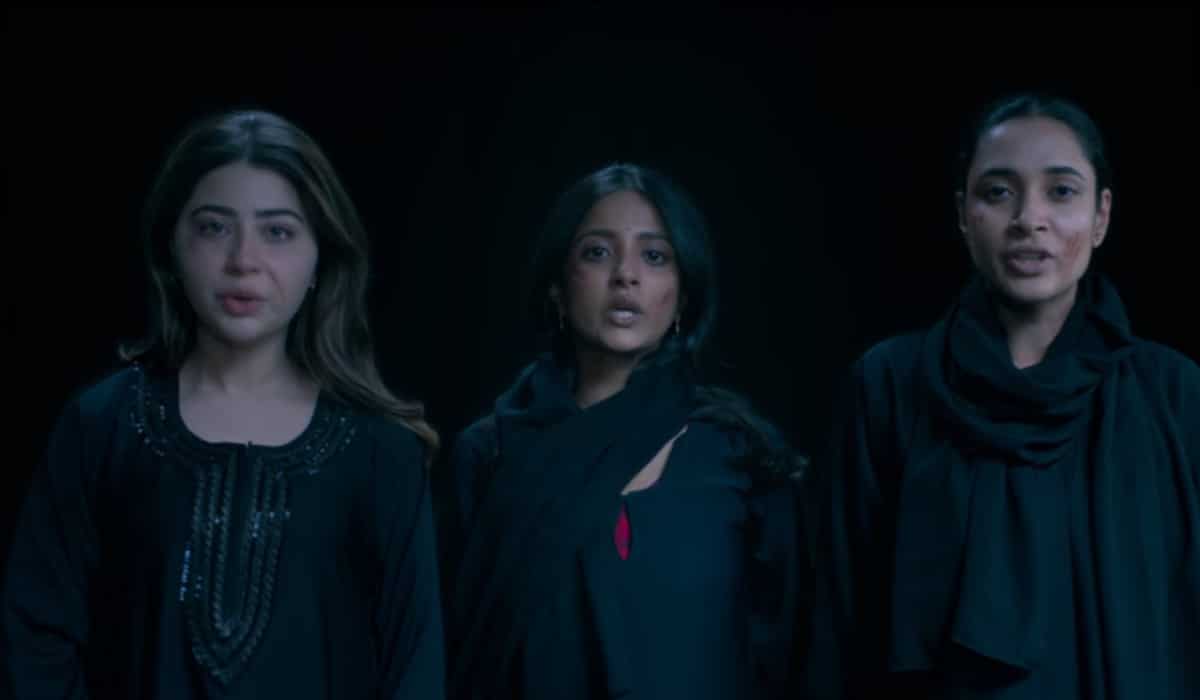
The sequel, directed by Kamakhya Narayan Singh and produced by Vipul Amrutlal Shah, continues the controversial storytelling approach of its predecessor. It follows the journeys of three Hindu women – an aspiring scholar, an athlete, and a dancer – whose lives reportedly unravel after being manipulated into deceptive marriages. The narrative explores themes of forced religious conversion and identity loss across various Indian states.
On social media platform X (formerly Twitter), viewers have expressed sharply divided opinions. Some have labeled the film as “propaganda” while others praise it as a necessary and well-researched portrayal of social issues.
“The Kerala Story 2 is a total disgrace and epic disaster,” wrote one user. “Don’t fall for the box office hype—it’s Sound of Freedom all over again: rich donors and groups bulk-buying tickets as ‘support,’ not actual viewers. Pure propaganda.”
In stark contrast, another viewer urged, “The Kerala Story 2 must watch for all Hindus. Please do watch with your family to know the real pain of our daughters and sisters and mothers.”
This division reflects the broader cultural and political tensions surrounding the film’s release. Some reviewers have noted that despite its title, the movie has limited direct connection to Kerala itself. “Saw The Kerala Story 2 and it has nothing about or against Keralam. A heart-wrenching movie about relations between parents and teenage daughters,” commented one viewer.
The film stars Ulka Gupta as Surekha, Aditi Bhatia as Divya, and Aishwarya Ojha as Neha, with supporting performances from Sumit Gahlawat, Arjan Singh Aujla, Yuktam Kholsa, and Alka Amin. The production aims to explore the psychological impact of what it portrays as grooming, forced conversion, and entrapment.
The original “The Kerala Story,” released in 2023, generated significant controversy for its portrayal of women from Kerala being recruited by the Islamic State. Critics accused it of promoting communal divisions and religious stereotypes, while supporters defended it as exposing real social problems. The film became one of the highest-grossing Hindi films of 2023 despite – or perhaps partly because of – the controversy surrounding it.
The sequel’s release comes at a time when Indian cinema has increasingly become a battleground for competing social and political narratives. Films addressing religious identity, conversion, and interreligious relationships have often sparked intense public debate about representation, historical accuracy, and potential societal impact.
The Kerala High Court’s decision to allow the film’s release underscores ongoing tensions between creative expression and concerns about communal harmony. Similar controversies have surrounded other recent Indian films dealing with sensitive religious or historical themes.
Industry analysts are closely watching the commercial performance of “The Kerala Story 2,” particularly given allegations that some of its ticket sales may be artificially inflated through bulk purchases by supportive organizations – a claim that has not been independently verified.
As audiences continue to view the film in the coming days, the conversation surrounding its content, intentions and impact is likely to intensify across both traditional and social media platforms.
Fact Checker
Verify the accuracy of this article using The Disinformation Commission analysis and real-time sources.

14 Comments
Looks like a controversial film that’s generating a lot of discussion. I’m curious to learn more about the historical context and research behind the narrative. Objective analysis from multiple perspectives is key.
You raise a good point. Understanding the factual basis, not just the rhetoric, will be important in evaluating this film.
As with any film dealing with sensitive topics, I expect strong reactions. But dismissing it outright as ‘propaganda’ seems premature. I’ll wait to hear more balanced perspectives before forming my own opinion.
Good point. Rushing to conclusions based on limited information often leads to further polarization. An open, thoughtful discussion is needed here.
Hmm, ‘propaganda’ is a strong word. While the film may have a political agenda, I’d want to see it myself before judging. Nuanced portrayals of complex social issues can be valuable, even if they’re controversial.
Exactly, knee-jerk accusations of propaganda aren’t helpful. Let’s reserve judgment until we can assess the film’s merits and flaws objectively.
Hmm, ‘epic disaster’ seems like a rather strong reaction. While the film may have political undertones, dismissing it outright as propaganda isn’t very helpful. I’d like to see a more balanced critique before forming my own opinion.
Agreed. Extreme language and knee-jerk reactions often do more to inflame tensions than facilitate meaningful discourse on complex topics.
This film seems to be stoking a lot of heated debate. While the ‘propaganda’ label may be premature, the themes of forced conversion and identity loss are certainly controversial. I’ll reserve judgment until I can assess the facts.
Good call. Heated rhetoric often obscures the real issues at hand. Thoughtful, evidence-based analysis is needed here.
Sounds like a complex film that touches on some deeply divisive issues. I’m curious to see how the director handles the subject matter and if they manage to offer a nuanced, well-researched perspective.
Absolutely. Nuance and balance will be key in addressing these kinds of sensitive sociopolitical topics through film.
Interesting to see the political debates around this film. While some view it as propaganda, others argue it sheds light on important social issues. I’ll have to watch it myself to form my own opinion.
I agree, these types of films often spark strong reactions on both sides. It’s important to approach them with an open mind and critical thinking.