


Listen to the article
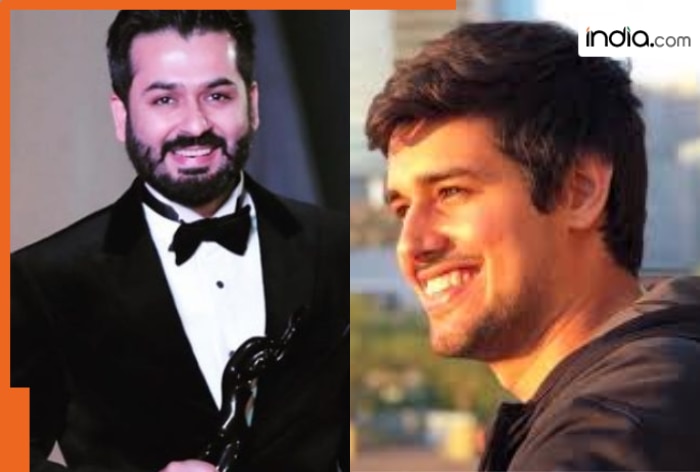
Filmmaker Aditya Dhar Responds Cryptically to Dhruv Rathee’s “Propaganda” Comments on Dhurandhar
As Aditya Dhar’s espionage thriller “Dhurandhar” continues its remarkable box office run, the film has ignited a heated online debate about its portrayal of geopolitical issues. Director Dhar appears to have subtly addressed criticism from popular content creator Dhruv Rathee, who recently called the film “dangerous propaganda.”
The controversy began when Rathee, known for his political commentary, released a video titled “Reality of Dhurandhar.” In it, he argued that the film’s high production value actually made its message more problematic. “Well-made propaganda is more dangerous,” Rathee stated, comparing it to other nationalist films. “Films like The Taj Story and The Bengal Files were not dangerous because they were bad films. But Dhurandhar is an engaging film.”
Rathee’s criticism centered on how the film blurs fiction with reality. “The problem is that Dhurandhar repeatedly shows you it’s inspired by real events,” he explained. “It says so in the trailer. It shows real footage from the 26/11 attacks and uses real audio recordings of conversations between terrorists and their handlers.”
Without directly mentioning Rathee, Dhar reshared a pointed message on his Instagram Stories that many interpreted as a response to the criticism. The note read: “A video maker tried to criticise it recently and got swept away by a wave of criticism against him. Dhurandhar is a craze today. A tsunami which will sweep away any other release in its path.”
The shared message also praised the film’s team, calling it “a tsunami created by a young director from Delhi, @adityadharfilms and his team of actors & technicians. All united in vision & approach, positive in thought, passionate about storytelling and immense confidence in this director’s work.” It concluded by emphasizing the “organic” nature of the film’s success.
The exchange highlights the ongoing tension in Indian cinema between commercial entertainment and political messaging. Films tackling national security themes have become increasingly popular in recent years, but they’ve also faced accusations of promoting nationalist narratives that simplify complex geopolitical issues.
“Dhurandhar” features an ensemble cast including Ranveer Singh, Akshaye Khanna, R. Madhavan, Sanjay Dutt, and Arjun Rampal. The film, which released on December 5, has already generated over ₹900 crore ($108 million) in worldwide box office revenue, making it one of the highest-grossing Indian films of the year.
Industry analysts note that the film’s commercial success demonstrates the public’s appetite for action-packed nationalistic narratives, particularly those centered around intelligence operations and cross-border conflicts. The film’s technical excellence has been widely praised, with critics highlighting its cinematography, action sequences, and performances.
The controversy hasn’t dampened audience enthusiasm. In fact, the online debate may have actually boosted ticket sales as curious viewers flock to theaters to form their own opinions.
The phenomenal box office performance has already secured the film’s future, with the second installment scheduled for release on March 19, 2026. Production sources indicate that pre-production for the sequel is already underway, with most of the original cast expected to return.
The “Dhurandhar” controversy reflects a larger trend in Indian media, where the line between entertainment and political messaging has increasingly blurred. As filmmakers tackle more politically charged topics, debates about artistic freedom, responsible storytelling, and propaganda are likely to intensify in the coming years.
Fact Checker
Verify the accuracy of this article using The Disinformation Commission analysis and real-time sources.

14 Comments
Interesting to see the director of ‘Dhurandhar’ respond cryptically to the ‘propaganda’ criticism. It suggests there may be more layers to this story than meet the eye. I’m curious to learn more about the filmmakers’ perspective and intent.
This is an interesting example of how impactful well-crafted propaganda can be, even when dealing with serious real-world issues. It’s a good reminder to think critically about the messages in media, no matter how slickly produced.
Well said. High production values don’t automatically equate to truthful or responsible storytelling. Thoughtful analysis from viewers is key to cutting through the noise.
The ‘Dhurandhar’ debate is a thought-provoking example of how even well-crafted films can become entangled in larger ideological battles. It’s a complex issue with valid concerns on both sides that deserves thoughtful, nuanced discussion.
Fascinating controversy around this ‘Dhurandhar’ film. Seems like a complex issue of balancing cinematic storytelling with responsible portrayals of real events. I’m curious to hear more perspectives on where that line should be drawn.
I agree, it’s a delicate balance. Filmmakers have artistic license, but they also have a duty to handle sensitive topics carefully. Looking forward to seeing how this debate plays out.
The ‘Dhurandhar’ controversy highlights the broader challenge of balancing artistic freedom with social responsibility in media. It’s a nuanced issue without clear-cut solutions, but an important one to grapple with as viewers and citizens.
Well said. These debates force us to think critically about the power of storytelling and how it can shape public discourse, for better or worse. Careful analysis from all sides is crucial.
This is a timely discussion about the power of cinema to influence hearts and minds. While artistic expression is valuable, I’m glad to see thoughtful voices raising concerns about the potential for ‘Dhurandhar’ to distort reality.
The debate around ‘Dhurandhar’ touches on deeper questions about the role of media in shaping narratives, especially when it comes to sensitive real-world events. It’s a complex issue without easy answers, but an important one to grapple with.
Absolutely. As viewers, we have to stay vigilant and think critically about the messages being conveyed, even in slickly produced films. Nuance and balance are key.
I can see both sides of this issue. On one hand, films like ‘Dhurandhar’ can bring important events to life in a compelling way. But the line between dramatization and distortion is a fine one. Fact-checking and nuanced discussion are crucial.
The ‘Dhurandhar’ controversy highlights the ongoing debate around how historical/political events should be portrayed in popular media. Filmmakers want creative freedom, but viewers deserve accuracy. Finding the right balance is an ongoing challenge.
Agreed. There’s a lot at stake when it comes to shaping public perceptions of complex issues. Responsible storytelling and critical analysis from all sides are essential.