


Listen to the article
Filmmaker Vetri Maaran Criticizes ‘Hate Propaganda’ Films at Tamil Film Event
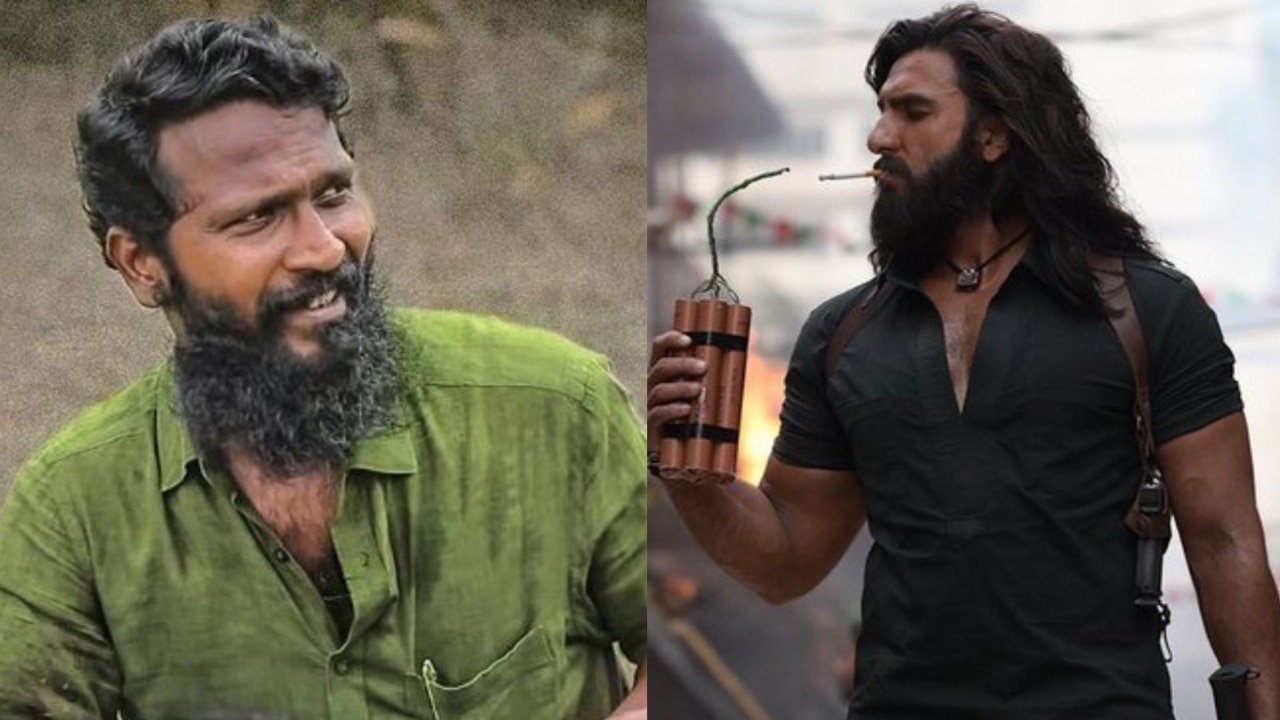
Acclaimed filmmaker Vetri Maaran has sparked controversy with his pointed critique of what he described as “hate propaganda” films during the trailer launch of “Neelira,” a Tamil film depicting events from the Sri Lankan civil war.
Speaking passionately at the event, Maaran emphasized the importance of authentic storytelling, particularly for marginalized communities. “Until we tell our stories, our life is what our enemies say they are. We do not have the democracy to tell our own stories,” he said, praising the “Neelira” team for their commitment to presenting a narrative that doesn’t incite hatred or violence.
The filmmaker’s remarks have triggered widespread speculation online, with many viewers interpreting his comments as a veiled criticism of Aditya Dhar and Ranveer Singh’s commercially successful “Dhurandhar” franchise, which has grossed over ₹2,447 crore worldwide with its two installments released in December last year and March this year.
Maaran made a clear distinction between propaganda and ideology-driven cinema. “There are many films that cost millions of rupees, wishing to earn hundreds of crores with violence or hatred. This film does not want to sell hate, caricature a race, a community, or a religious sect,” he stated, highlighting “Neelira” as an example of responsible filmmaking.
The director also commended Rana Daggubati, a prominent Telugu actor and producer, for supporting “Neelira” despite coming from a different linguistic background, suggesting that meaningful storytelling can transcend regional and cultural boundaries.
During his address, Maaran touched upon the power of propaganda to reshape collective memory, using demonetization as a poignant example. “Memory is so fickle because we all know who was the most affected by demonetization and how many lives were lost when people stood in lines. But we can easily change its impact,” he observed. “So, what can we do against hate propaganda? We have to continue making films like these and keep the memory alive.”
This reference to demonetization particularly fueled speculation about his target, as “Dhurandhar: The Revenge” reportedly portrays India’s 2016 demonetization as an anti-terrorism strategy. Social media quickly connected the dots, with one user posting, “#Vetrimaaran indirectly attacks #Dhurandhar2,” alongside a clip of his remarks.
The controversy highlights the ongoing tension in Indian cinema between commercially successful nationalist narratives and films that attempt to present more nuanced historical perspectives. Critics of high-budget nationalist films argue they often simplify complex historical events and promote divisive narratives, while defenders maintain they celebrate national pride and heritage.
Maaran also noted with surprise that “Neelira” had received certification from the Central Board of Film Certification (CBFC) without being referred to the revising committee, a process often required for politically sensitive content. This observation subtly points to the challenges many filmmakers face when trying to tell stories that challenge dominant narratives or address controversial historical events.
The filmmaker’s critique comes at a time when discussions about propaganda, nationalism, and artistic freedom are increasingly prominent in Indian cinema. As streaming platforms and independent productions provide alternatives to mainstream commercial cinema, filmmakers like Maaran continue to advocate for storytelling that resists simplification and promotes understanding across cultural divides.
As “Neelira” prepares for release, Maaran’s comments have ensured that the film will be viewed not just as an artistic work but as a statement in an ongoing cultural conversation about cinema’s responsibility in depicting historical events and representing marginalized communities.
Fact Checker
Verify the accuracy of this article using The Disinformation Commission analysis and real-time sources.

7 Comments
As a filmmaker, Maaran seems to value storytelling that gives voice to marginalized perspectives. That’s an admirable goal, even if it doesn’t always align with box office priorities.
It’s a complex issue – the line between ideology and propaganda in cinema. Maaran raises some thought-provoking points about responsible filmmaking and its social impact.
Connecting Maaran’s comments to the Dhurandhar franchise is an interesting interpretation. Those films have certainly been commercially successful, but the question of their sociopolitical impact is worth considering.
Interesting comments from Vetri Maaran on the importance of authentic storytelling, especially for marginalized communities. It’s a delicate balance between ideology and propaganda in filmmaking.
Maaran makes a fair point – films should aim to present narratives that don’t incite hatred or violence, even if they explore sensitive topics. Responsible filmmaking is crucial.
I agree. Thoughtful, nuanced depictions are better than sensationalized propaganda, even if they’re less commercially successful.
Maaran’s emphasis on ‘our own stories’ resonates. Authentic representation and nuanced narratives can be powerful counterpoints to divisive propaganda films.