


Listen to the article
Sandeep Reddy Vanga Defends “Dhurandhar 2” Against Propaganda Claims
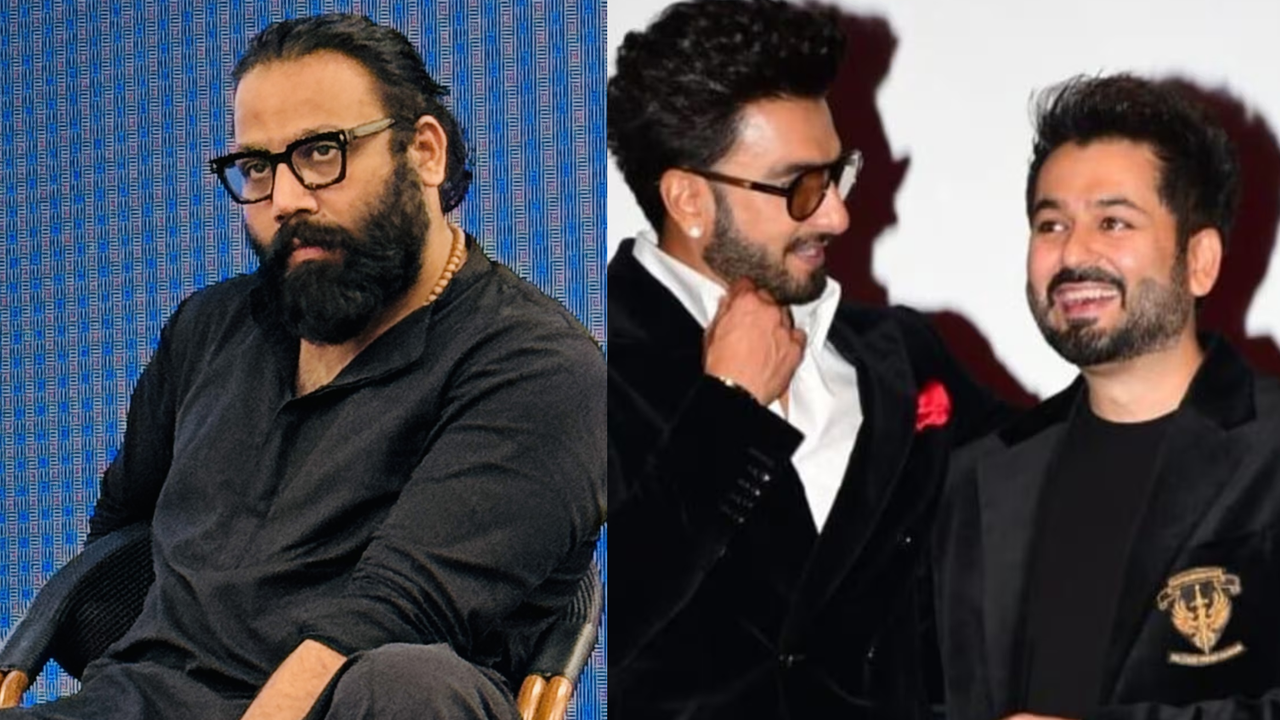
Sandeep Reddy Vanga has stepped into the ongoing debate surrounding Ranveer Singh’s latest blockbuster “Dhurandhar 2,” publicly criticizing those who have labeled the film as propaganda. The “Kabir Singh” director attended a special screening of the film in Hyderabad alongside star Prabhas before sharing his unfiltered thoughts on the controversy.
In a strongly-worded statement, Vanga expressed frustration at what he perceives as hypocrisy from critics, pointing out that some who previously profited from similar themes are now among the film’s most vocal detractors. He specifically targeted the tendency to dismiss differing perspectives as “propaganda” rather than engaging with them meaningfully.
“Dhurandhar 2” continues to dominate the national box office while simultaneously igniting heated discussions across social media and film industry circles. Vanga’s comments included advice to director Aditya Dhar and star Ranveer Singh to shield themselves from negative influences as the film faces scrutiny.
The sequel follows Ranveer Singh’s character Hamza Ali Mazari, also known as Jaskirat Singh Rangi, an Indian agent who infiltrates criminal organizations in Lyari. The narrative expands on the original film, exploring the character’s backstory and his mission to dismantle cross-border terror networks.
Despite overwhelmingly positive audience reception, the film has drawn criticism for its political themes and messaging. Political analyst Dhruv Rathee has been particularly vocal, describing the sequel as “brain rot” and arguing that, unlike its predecessor, it fails even as effective propaganda.
Veteran actor Anupam Kher has also joined the defense of the film. In a video shared on social media, Kher expressed sympathy for critics while challenging them to create their own films instead of simply criticizing. He drew parallels to the controversy that surrounded “The Kashmir Files,” which faced similar accusations of pushing a particular narrative.
“Instead of labeling films as propaganda, perhaps critics should channel their energy into creating their own stories,” Kher suggested in his video statement, implying that the backlash stems from ideological differences rather than artistic merit.
The ongoing debate highlights the increasingly polarized environment surrounding Indian cinema that tackles politically sensitive themes. Films addressing nationalism, cross-border terrorism, and geopolitical tensions frequently become lightning rods for criticism from different sides of the political spectrum.
Industry analysts note that the controversy may actually be boosting the film’s commercial performance. “Dhurandhar 2” has already collected an impressive Rs 1,653 crore globally, making it one of the year’s biggest commercial successes despite—or perhaps partly because of—the heated discourse surrounding it.
The film features an ensemble cast including Arjun Rampal, R Madhavan, Sanjay Dutt, Sara Arjun, and Rakesh Bedi in pivotal roles. Released on March 19, it has maintained strong momentum at theaters nationwide.
The “Dhurandhar” franchise has established itself as a significant commercial property in Indian cinema, with its blend of action, nationalism, and underworld drama resonating with mass audiences. The sequel’s commercial success amid controversy further cements its position as a cultural phenomenon, regardless of where critics stand on its messaging.
As the debate continues, both supporters and detractors of the film appear entrenched in their positions, reflecting broader divisions in how politically charged entertainment is received and interpreted in today’s media landscape.
Fact Checker
Verify the accuracy of this article using The Disinformation Commission analysis and real-time sources.

10 Comments
Vanga’s defense of the ‘Dhurandhar 2’ film raises some interesting points. While creative works can spark debates, dismissing differing perspectives as ‘propaganda’ may not be the most constructive approach.
I agree, open and nuanced discussions around complex topics in films are important. Hopefully the conversation can move beyond simplistic labels.
Vanga’s comments underscore the delicate balance filmmakers must strike when exploring complex socio-political themes. While creative freedom is important, responsible storytelling is also crucial.
This is a nuanced issue without easy answers. Encouraging substantive dialogue, rather than dismissive labeling, may lead to more constructive outcomes.
The ongoing controversy around ‘Dhurandhar 2’ highlights the challenges filmmakers face in addressing sensitive subjects. Vanga’s criticism of the ‘propaganda’ claims raises valid concerns about fair discourse.
It will be interesting to see how this debate evolves and whether the film’s creators can effectively address the concerns being raised.
Vanga’s defense of ‘Dhurandhar 2’ against ‘propaganda’ claims highlights the challenges filmmakers face in addressing sensitive topics. The debate underscores the need for open and nuanced dialogue.
Hopefully, this discussion can move beyond simplistic labeling and instead focus on the complex issues the film seeks to explore.
The ‘Dhurandhar 2’ debate touches on important questions about the role of art in society. Vanga’s perspective adds an interesting layer to the ongoing discussion.
It will be important to see how this conversation evolves and whether it can lead to a more thoughtful examination of the film’s themes and intentions.