


Listen to the article
The White House Stirs Controversy with Call of Duty-Inspired War Footage
The White House has ignited debate across social media platforms after publishing a controversial propaganda video that blends footage from the popular video game Call of Duty with actual combat footage from military operations in Iran. The post, which has garnered over 30 million impressions, was captioned “Courtesy of the Red, White & Blue” and represents an unusual approach to government messaging about military operations.
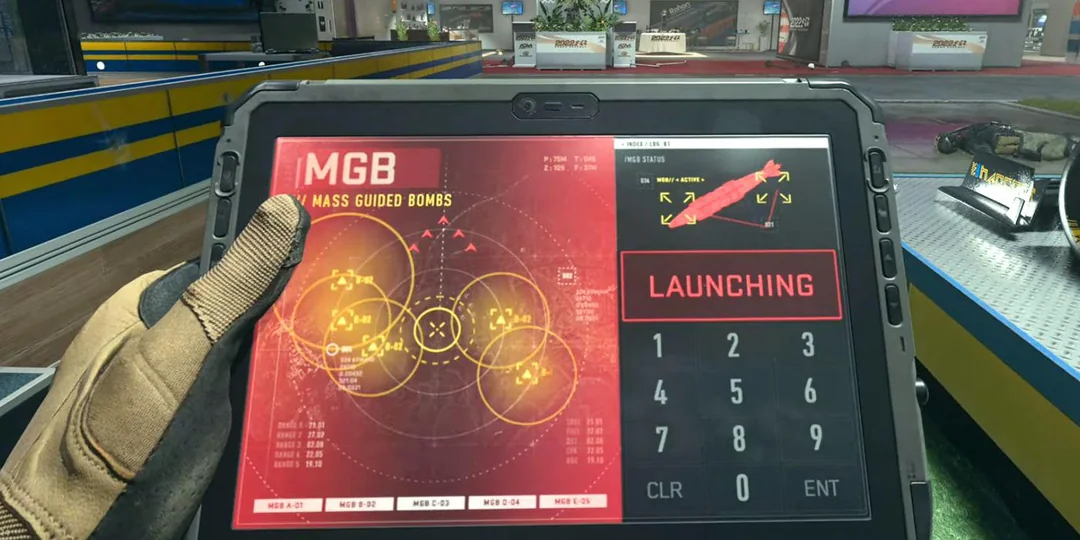
The video begins with gameplay footage showing a player calling in a Mass Guided Bombs (MGB) strike in Call of Duty: Modern Warfare 3 (2023) on the remastered Afghan map. This game sequence then transitions seamlessly into real footage of American ordnance striking targets in and around Iran. Most controversially, the video’s editors added video game-style experience points appearing on screen for each “enemy eliminated” during the actual combat footage.
This unprecedented blend of entertainment media and real warfare documentation appears to be a deliberate attempt by the White House to connect with younger audiences, particularly those familiar with gaming culture. The approach has left many observers describing the content as “weird” and potentially trivializing the serious nature of military conflict.
This isn’t the first time a presidential administration has attempted to leverage gaming culture for political messaging. In October 2025, during the Trump administration, social media staff reportedly used artificial intelligence to depict the President as Master Chief from the Halo franchise, showing him in Spartan armor saluting the American flag.
The convergence of war footage and gaming aesthetics reflects broader changes in how military conflicts are presented and consumed in the digital age. The immediacy of social media has made war more visible than ever before, with footage from conflict zones appearing on platforms worldwide within minutes of being captured. This constant exposure risks desensitizing audiences to the realities of warfare, but critics argue that merging actual combat with video game references crosses a concerning line.
Media analysts note that this approach represents an evolution in political communication strategy, as administrations search for ways to make complex foreign policy and military operations more accessible to digital-native generations. However, questions remain about the ethical implications of presenting real military actions through the lens of entertainment media.
The gaming industry has long had a complex relationship with military themes and imagery. Popular franchises like Call of Duty have built commercial success on realistic depictions of warfare, though typically with fictional scenarios. This official government use of gaming footage blurs these distinctions in unprecedented ways.
Public reaction to the White House post has been divided, with some viewing it as an innovative communication approach and others criticizing it as inappropriate trivialization of serious military operations. The significant engagement metrics suggest the content successfully captured public attention, though not necessarily in ways the administration might have intended.
As digital communication continues to evolve, this incident highlights the challenges governments face in striking an appropriate tone when discussing military operations. The line between effective outreach to younger demographics and trivializing serious matters remains difficult to navigate in an era where entertainment and information increasingly overlap.
The White House has not issued any formal statement addressing the criticism surrounding the video, and it remains unclear whether this represents a one-time experiment or signals a new direction in government communication strategy regarding military operations.
Fact Checker
Verify the accuracy of this article using The Disinformation Commission analysis and real-time sources.

11 Comments
Interesting to see the US government using video game footage to depict military operations. I’m not sure how I feel about this approach – it seems like an attempt to sensationalize and gamify real-world conflict. I’d want to learn more about the reasoning behind it.
I agree, blending entertainment media and actual warfare footage is a concerning trend. It could trivialize the real human costs of military action.
Using Call of Duty footage to showcase military strikes is a bold and controversial move by the White House. I’m curious to hear the rationale behind it and whether it will be effective at reaching younger audiences.
The addition of experience points during the real combat footage is especially troubling. That seems to turn a serious military operation into a video game-like scoring system.
As someone who enjoys video games, I’m not sure how I feel about the government leveraging that medium to depict actual warfare. It could desensitize people to the realities of conflict.
Agreed, this approach risks trivializing the gravity of military action. The White House should tread carefully when blending entertainment and real-world combat footage.
The White House’s use of Call of Duty-style footage in this military presentation is certainly attention-grabbing, but I have concerns about the implications. Gamifying real-world warfare seems risky and could backfire, even if the intent is to reach younger audiences.
Blending video game aesthetics with real warfare footage is a bold and concerning decision by the White House. I worry this could desensitize people to the human costs of military conflict. More transparency around the rationale would be helpful.
This is a provocative use of video game footage to depict actual combat. While it may resonate with younger audiences, it also risks trivializing the gravity of military action. I’m interested to see how the public responds to this approach.
I’m curious to understand the strategic thinking behind the White House’s decision to use Call of Duty-style footage in this military presentation. It’s an unconventional approach that could backfire if not handled thoughtfully.
Given the sensitivity around military operations, especially in the Middle East, this move seems risky. The government should be cautious about appearing to ‘gamify’ real-world conflict.