


Listen to the article
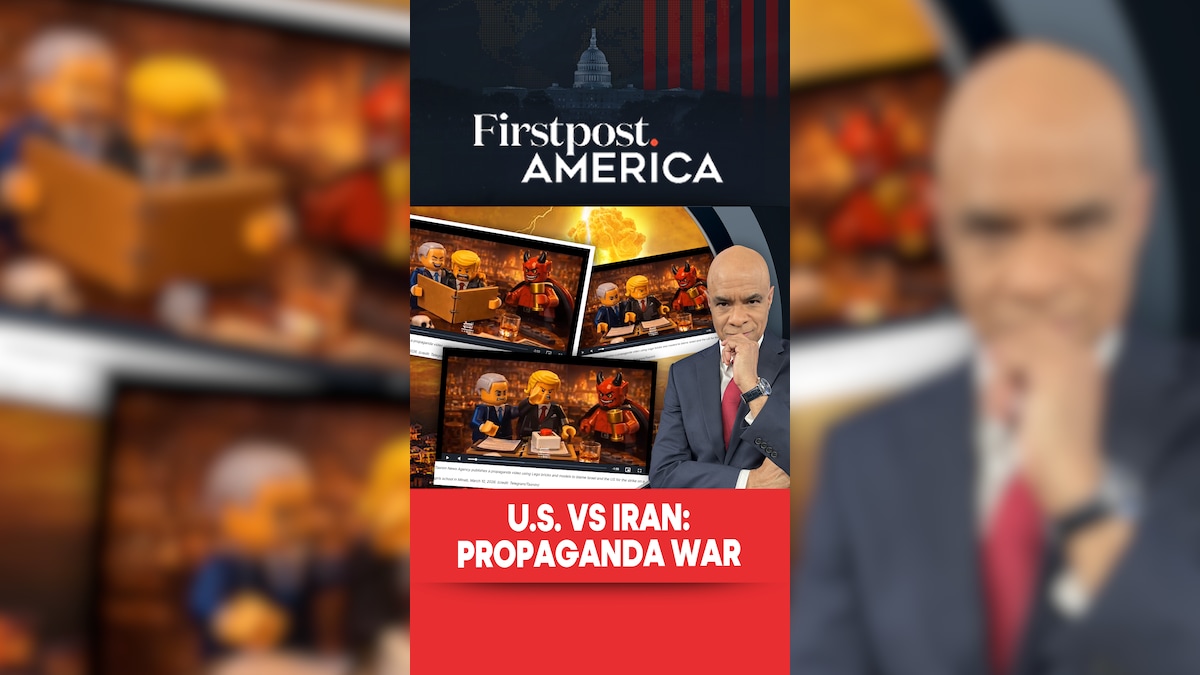
U.S. and Iran have escalated their long-standing diplomatic tensions into a sophisticated propaganda battle, each side leveraging media platforms to shape international opinion and justify their geopolitical positions.
The propaganda war has intensified following recent developments in the Middle East, where both nations continue their decades-long struggle for regional influence. American officials have consistently portrayed Iran as a destabilizing force, highlighting its nuclear ambitions and support for proxy groups across Syria, Iraq, Lebanon, and Yemen.
Iranian state media, meanwhile, presents America as an imperialist power seeking to undermine Iran’s sovereignty and legitimate security interests. This narrative resonates domestically and with Iran’s allies in what it calls the “Axis of Resistance” against Western hegemony.
“What we’re witnessing is a classic information war playing out across traditional and social media channels,” explains Dr. Mariam Khalidi, professor of international relations at Georgetown University. “Both sides are fighting to control the narrative not just for their domestic audiences but for the broader international community.”
The U.S. State Department has increasingly utilized digital diplomacy, with coordinated messaging across platforms emphasizing Iran’s human rights record and alleged terrorism sponsorship. These campaigns gained momentum following the 2018 U.S. withdrawal from the Joint Comprehensive Plan of Action (JCPOA), commonly known as the Iran nuclear deal.
Iran counters with sophisticated messaging that highlights American military interventions in the Middle East and portrays itself as a victim of economic warfare through sanctions. The Islamic Republic’s media strategy has evolved significantly, with English-language outlets like Press TV targeting international audiences with alternative perspectives on global events.
The propaganda contest extends beyond official channels. Both nations support media networks, think tanks, and social media campaigns that advance their strategic narratives while attempting to discredit opposing viewpoints. Intelligence agencies from both countries reportedly maintain sophisticated information operations designed to sway public opinion.
“Tehran has become increasingly adept at exploiting divisions within American society and among Western allies,” notes former State Department analyst Robert Greenfield. “Their messaging specifically targets anti-war sentiment in Europe and America, while emphasizing Western double standards regarding democracy and human rights.”
Similarly, the U.S. information strategy capitalizes on Iran’s domestic challenges, amplifying coverage of protests and economic hardships while positioning America as supportive of the Iranian people despite opposing the Islamic Republic’s leadership.
The stakes in this propaganda war extend beyond mere optics. International public opinion significantly influences diplomatic leverage, coalition-building capabilities, and economic relationships. For Iran, countering American narratives is crucial to maintaining solidarity among its regional allies and mitigating the impact of sanctions. For the U.S., shaping perceptions of Iran helps justify its regional military presence and sanctions policy.
Oil markets have shown sensitivity to this information battle, with prices fluctuating in response to heightened rhetoric suggesting potential conflict. Global energy companies watch these propaganda exchanges closely, as they often precede policy shifts that could impact regional stability.
Media experts warn that distinguishing fact from propaganda has become increasingly difficult for average citizens. “Both sides embed legitimate facts within highly selective framing,” says media analyst Sarah Jameson. “Sophisticated propaganda doesn’t rely on fabrications but rather on strategic omissions and contextual manipulation.”
The current information war represents an evolution from previous U.S.-Iran messaging conflicts. Digital platforms have democratized propaganda capabilities, allowing both nations to bypass traditional gatekeepers and target specific demographics with tailored content.
As tensions continue, neutral observers recommend that consumers of news maintain healthy skepticism toward narratives from both sides. International organizations and independent media outlets play a crucial role in providing balanced assessments of U.S.-Iran relations beyond the propaganda fog.
With neither nation showing signs of backing down from their strategic positions, the propaganda battle seems likely to intensify alongside diplomatic and economic competition, shaping global perceptions of this consequential geopolitical rivalry for years to come.
Fact Checker
Verify the accuracy of this article using The Disinformation Commission analysis and real-time sources.

12 Comments
While the geopolitical dynamics at play are complex, the American and Iranian propaganda machines seem to be operating in lockstep. This is a concerning trend that erodes public trust and heightens the risk of miscalculation.
It’s troubling to see how geopolitical tensions can manifest as a ‘propaganda war’ in the media. This kind of information warfare often obfuscates the truth and inflames passions rather than promoting mutual understanding.
Absolutely. Both the US and Iran need to step back and consider the broader consequences of their actions. Escalating the rhetoric rarely leads to positive outcomes.
The US-Iran propaganda battle is a sobering example of how information can be weaponized to advance national interests. Objective reporting is essential, but increasingly rare in today’s polarized media landscape.
This situation highlights the need for greater media literacy and critical thinking when it comes to international affairs coverage. Readers should be wary of one-sided narratives and look for balanced, impartial sources.
Well said. It’s crucial that the public is equipped to discern fact from fiction, especially on sensitive geopolitical issues. Transparency and accountability from all sides should be the priority.
This propaganda battle between the US and Iran is deeply concerning. Both sides seem intent on spinning the narrative to suit their agendas, rather than focusing on constructive dialogue and diplomacy.
I agree, this is a dangerous game they’re playing. The public deserves objective, fact-based reporting, not partisan spin. Cooler heads need to prevail here.
This propaganda war is a troubling development that underscores the need for impartial, fact-based journalism on issues of international security and diplomacy. Readers must be vigilant in separating truth from fiction.
Agreed. Independent, objective reporting is critical in situations like this, where both sides have a vested interest in controlling the narrative. Maintaining a clear-eyed view is essential.
This escalating propaganda war between the US and Iran is deeply worrying. Both nations must find a way to de-escalate tensions and return to the negotiating table in good faith. Continued saber-rattling will only breed more conflict.
I agree completely. Constructive diplomacy, not divisive propaganda, is the only path forward. The stakes are too high for either side to continue down this confrontational road.