


Listen to the article
“Dhurandhar” Sparks National Debate as Propaganda Accusations Meet Box Office Success
Three weeks after its release, Aditya Dhar’s spy thriller “Dhurandhar” continues to generate intense discussion across India, with the film simultaneously drawing critical scrutiny and enthusiastic praise. While supporters hail it as a “seminal” achievement and “quantum leap” for Indian cinema, critics question its political motivations and ideological underpinnings.
The lavish production, starring Ranveer Singh, is poised to enter the prestigious Rs 1000-crore club and has spawned thousands of social media memes and reels. However, the film’s reception cannot be separated from India’s current political climate, where a growing number of Hindi films appear increasingly aligned with the BJP government’s narratives.
Online defenders of “Dhurandhar” have aggressively targeted critics, often hurling abuse at those who question the film’s apparent ideological positioning. What defenders seem reluctant to acknowledge, however, is how deliberately the film capitalizes on anti-Pakistan sentiment – a reliable formula for box office success in contemporary India.
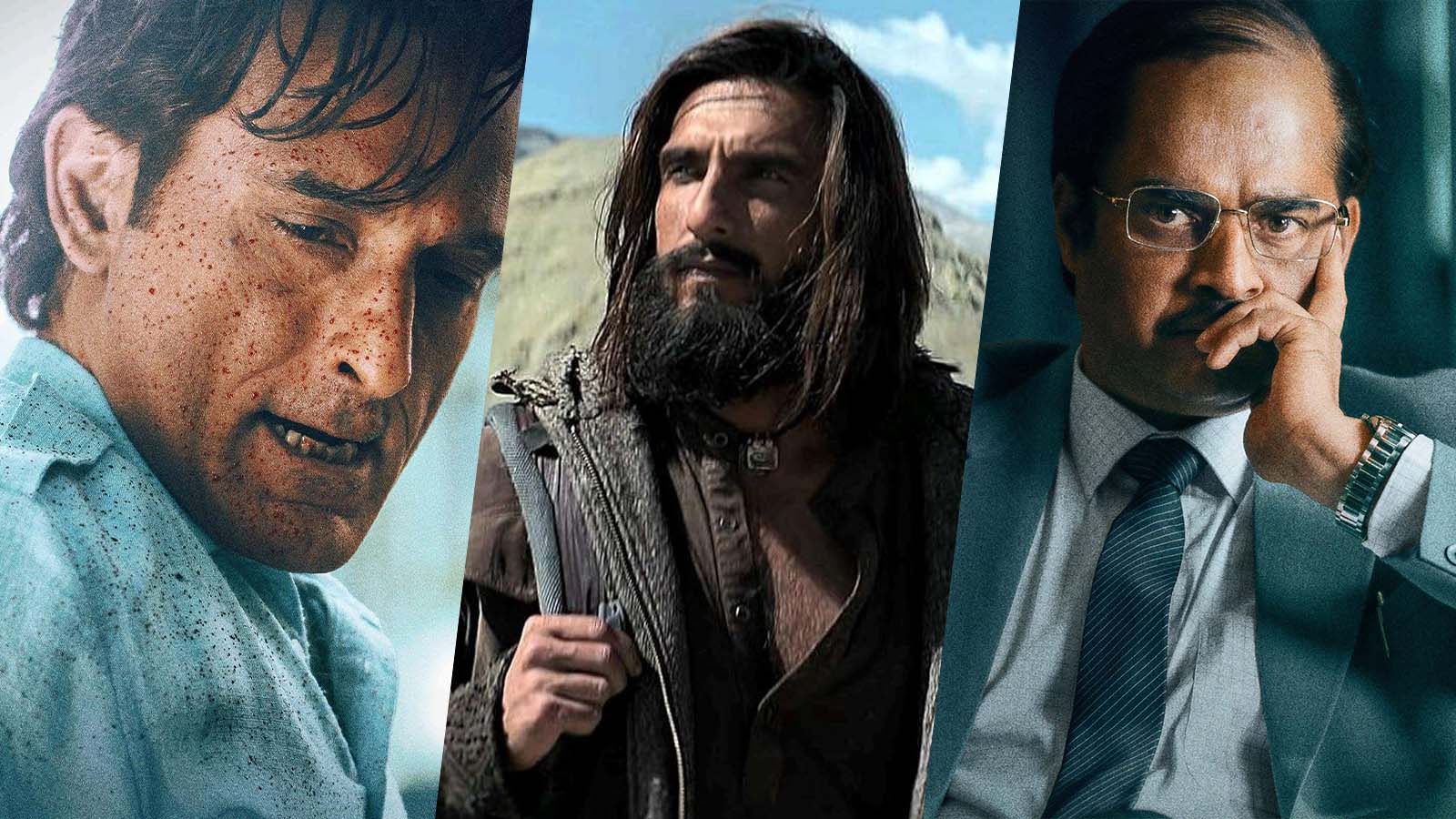
The film makes its intentions clear from the opening sequence, which reconstructs the IC-814 hijacking aftermath. R. Madhavan plays Ajay Sanyal, a character modeled after National Security Advisor Ajit Doval, who enters to negotiate with terrorists. When he prompts hostages with “Bharat Mata ki…” and receives silence rather than the expected “Jai” response, the scene establishes the film’s tone: wounded national pride awaiting vengeance.
“Dhurandhar” follows Sanyal’s long-term plan to infiltrate Pakistan’s terror networks, moving across a decade of Indo-Pakistan conflict including the Parliament attack and 26/11. The film depicts Pakistan as uniformly malevolent, focusing exclusively on its role as an exporter of terrorism while ignoring complexity. Even Karachi’s Lyari neighborhood is reduced to a breeding ground for gang wars, with no acknowledgment of its rich musical heritage or reputation as Pakistan’s “mini Brazil” football capital.
In an ironic twist, much of the film’s cultural impact has centered not on its Indian protagonist but on its antagonist, Rahman Dakait (played by Akshaye Khanna), whose methodical performance has captivated audiences. Clips, dialogues, and the song “FA9LA” featuring Khanna have gone viral, potentially driving the film’s commercial success more than its intended patriotic message.
This pattern of state-aligned filmmaking has precedent in Hollywood productions like “Zero Dark Thirty,” “American Sniper,” and “Top Gun: Maverick,” which have all been criticized as propaganda vehicles. The crucial difference is that in the United States, such films face robust debate across mainstream media platforms. In India, criticism of nationalist cinema often triggers coordinated backlash.
“Dhurandhar” follows Dhar’s 2019 debut “Uri: The Surgical Strike,” which established a commercially successful formula for “national security cinema” ahead of general elections. While “Dhurandhar” is somewhat more restrained than its predecessor, it maintains the same ideological framework. The film ends with a provocative line borrowed from Prime Minister Narendra Modi: “This is the new India. It will enter your home, and it will kill” – framing state aggression as moral superiority.
This film joins a growing catalog of productions that have received tacit government support, including Vivek Agnihotri’s “The Kashmir Files,” “Article 370” (which Dhar produced), “IB71,” “The Kerala Story,” and others that prioritize emotional nationalism over historical nuance.
Cinema’s role as a mass medium gives it particular cultural power. When popular films consistently present distorted narratives that foment hatred toward specific countries or communities, they risk reinforcing everyday prejudices. Artistic freedom remains essential, but it comes with responsibility, especially when engaging with sensitive geopolitical contexts.
With a sequel already planned for early 2026 – promising expanded roles for Madhavan’s Doval character and Singh’s vengeance mission – the commercial rewards likely outweigh concerns about critical reception for Dhar and his production team.
The true test for filmmakers in today’s environment isn’t commercial success but whether they resist using their platform to serve political power. By that measure, box office numbers offer no moral alibi.
Fact Checker
Verify the accuracy of this article using The Disinformation Commission analysis and real-time sources.

14 Comments
Impressive commercial success, but the criticism of nationalist overtones is intriguing. In an era of increasing politicization of media, it’s crucial to examine how films shape public discourse.
Absolutely. The intersection of entertainment, propaganda, and politics deserves careful examination. Dismissing valid critiques risks oversimplifying complex issues.
This spy thriller seems to have struck a nationalistic chord with audiences. While commercial success is impressive, the film’s political overtones warrant thoughtful discussion, not aggressive dismissal of critics.
Agreed. Films that cater to political narratives can be concerning, even if they resonate with some viewers. Nuanced analysis from diverse perspectives is important.
The box office numbers are certainly eye-catching, but I wonder if the film’s appeal goes beyond just entertainment value. The nationalist themes highlighted in the critique are worth unpacking further.
Good point. Separating art from politics is difficult, especially for high-profile releases. Thoughtful discussions that consider multiple angles could provide valuable insights.
The film’s popularity is undisputed, but the concerns about its political messaging should not be ignored. Examining how creative works both reflect and influence societal narratives is crucial, even for commercial successes.
Well articulated. Thoughtful, balanced analysis that considers multiple perspectives is essential when evaluating the impact of high-profile releases in today’s polarized climate.
The box office numbers are impressive, but the critique of nationalist undertones is worth taking seriously. The relationship between entertainment, politics, and public discourse deserves careful, nuanced examination.
Absolutely. Dismissing valid concerns about ideological messaging in popular media risks oversimplifying complex issues that warrant deeper exploration and discussion.
While the commercial success is notable, the criticism of nationalist overtones warrants further investigation. The interplay between entertainment, politics, and public sentiment is a complex issue worth deeper analysis.
Agreed. Navigating the blurred lines between art, propaganda, and ideology requires nuanced discussion that goes beyond simplistic defenses or dismissals.
The film’s popularity is undeniable, but the concerns raised about its ideological messaging shouldn’t be brushed aside. Exploring the nuances of how art reflects and shapes sociopolitical narratives is important.
Well said. Avoiding knee-jerk reactions and fostering constructive dialogues around these topics is crucial for a balanced understanding of the film’s impact.