


Listen to the article
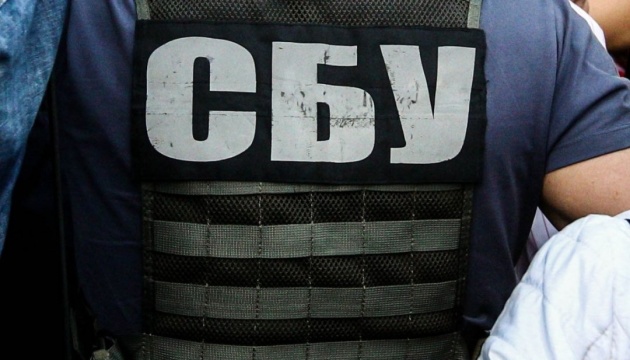
A Ukrainian Orthodox Church clergyman affiliated with the Moscow Patriarchate has been detained in Kharkiv on charges of spreading anti-Ukrainian propaganda and justifying Russia’s invasion, according to a statement from Ukraine’s Office of the Prosecutor General.
Investigators allege that between March and July 2025, the cleric systematically posted anti-Ukrainian narratives on pro-Russian Telegram channels. The comments allegedly denigrated Ukrainians and promoted negative stereotypes about the Ukrainian people.
“In addition, in his posts, he broadcast Kremlin propaganda, in particular stating that ‘Kharkiv has always been, is, and will remain a Russian city,’ effectively justifying the Russian Federation’s armed aggression against Ukraine,” the prosecutor’s office said in its statement.
When law enforcement officials searched the UOC-MP religious building where the clergyman resided, they discovered a mobile phone containing evidence of the alleged illegal activity. More concerning was the discovery of cash in Russian rubles and other currencies totaling over 2.6 million Ukrainian hryvnias (approximately $65,000). Authorities suspect these funds may represent payment for conducting information and subversive activities benefiting Russia.
The cleric now faces serious charges under Ukraine’s Criminal Code, including intentional actions aimed at inciting national enmity and hatred, as well as the production and distribution of materials justifying Russia’s armed aggression against Ukraine. Following a prosecution request, a court has ordered the suspect to be held in detention pending trial.
This case highlights the ongoing tensions between Ukraine and religious institutions linked to Moscow. The Ukrainian Orthodox Church of the Moscow Patriarchate (UOC-MP) has faced increased scrutiny since Russia’s full-scale invasion began in 2022. While the UOC-MP declared independence from the Russian Orthodox Church shortly after the invasion, Ukrainian authorities have continued to investigate allegations that some clergy maintain ties to Moscow.
Beyond the propaganda charges, investigators discovered evidence suggesting the cleric may have committed additional offenses against Ukraine’s national security, including unauthorized dissemination of information about Ukrainian military unit locations. Prosecutors indicated they are considering additional charges as the investigation continues.
The case comes amid a broader crackdown on religious institutions suspected of Russian sympathies. Ukrainian authorities recently announced plans to investigate the Holosiivska Pustyn monastery, also affiliated with the Moscow Patriarchate, for potential ties to the Russian Orthodox Church.
Religious divisions have deepened in Ukraine since 2018, when a significant portion of Orthodox parishes broke away from Moscow’s control to form the Orthodox Church of Ukraine, which received recognition from the Ecumenical Patriarch of Constantinople. This religious split mirrored Ukraine’s broader geopolitical realignment away from Russia.
The current case underscores the complex intersection of religion, national security, and information warfare in Ukraine’s ongoing conflict with Russia. Ukrainian authorities have repeatedly warned about Russia’s use of religious institutions as vectors for propaganda and intelligence gathering.
If convicted, the clergyman could face significant prison time under Ukraine’s increasingly stringent laws against Russian propaganda and collaboration with the aggressor state.
Fact Checker
Verify the accuracy of this article using The Disinformation Commission analysis and real-time sources.

8 Comments
This case highlights the crucial role of impartial investigation and fact-finding in times of conflict. Accusations of propaganda can be weaponized, so it’s essential that the process is fair and transparent to determine the truth and prevent further erosion of trust.
Well said. Upholding the rule of law and due process, even in wartime, is essential for maintaining social cohesion and the integrity of public institutions. A balanced approach is needed here.
The discovery of substantial sums of Russian currency raises further questions about the potential funding and motivations behind this alleged propaganda activity. Tracing the source of these funds could provide important insights into the broader disinformation networks at play.
The potential use of religious institutions for political propaganda is a concerning trend we’ve seen in other conflicts. It’s a delicate balance to strike between respecting religious freedoms and preventing the exploitation of faith for nefarious purposes. Vigilance is required.
As disturbing as these allegations are, I hope the authorities will approach this case with nuance and avoid overgeneralization. Not all clergy affiliated with the Moscow Patriarchate may be complicit in spreading Russian propaganda. The investigation should focus on individual culpability.
If the allegations are true, it’s a serious breach of trust for a religious leader to promote anti-Ukrainian narratives and justify the Russian invasion. Clergy should be moral beacons, not mouthpieces for foreign aggression. I hope the truth comes to light through a fair and transparent process.
I agree, the role of religious institutions in this conflict is a complex and sensitive issue. It’s important to uphold the separation of church and state while also ensuring religious leaders are not abusing their positions for political gain.
This is a concerning case of alleged Russian propaganda being spread by a Ukrainian Orthodox priest. It’s troubling to see religious figures potentially being used to push disinformation and undermine Ukraine’s sovereignty. Authorities will need to carefully investigate the evidence and ensure due process is followed.