


Listen to the article
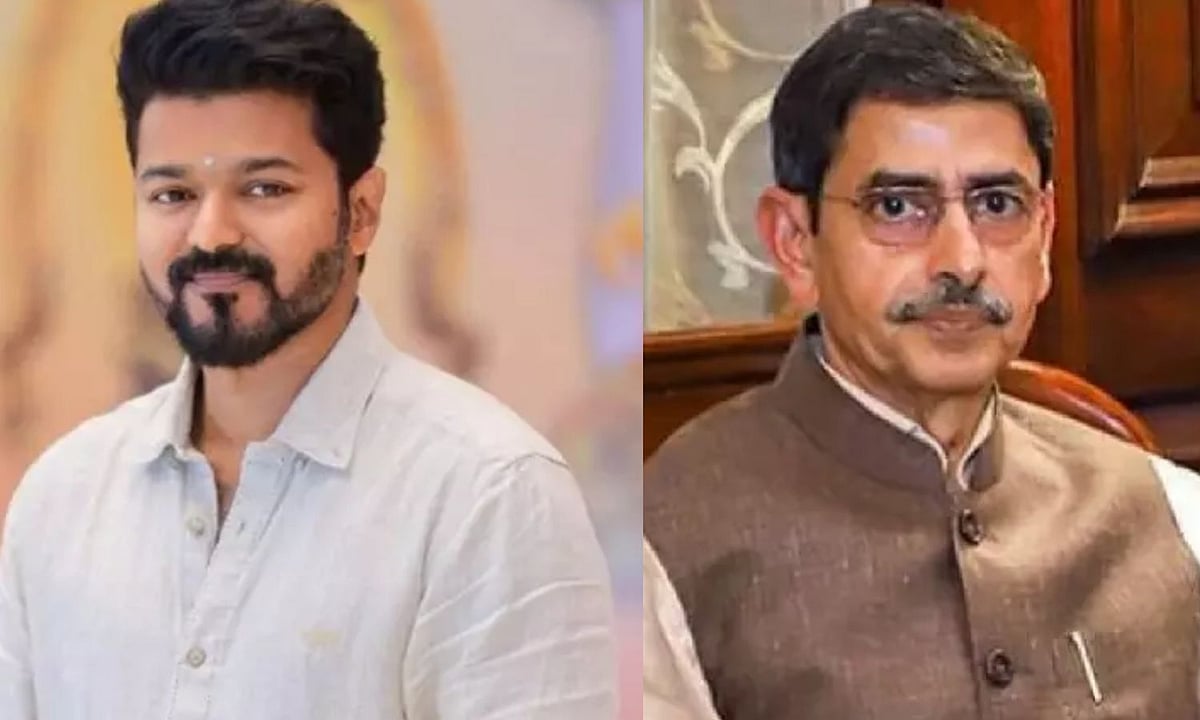
In a strongly worded rebuke, Tamilaga Vettri Kazhagam (TVK) national spokesperson Felix Gerald has accused Tamil Nadu Governor RN Ravi of serving partisan interests following his controversial exit from the 2026 State Legislative Assembly winter session.
The incident, which has sparked political tension in the southern state, saw Governor Ravi leave the assembly without delivering the traditional opening address—a ceremonial speech that typically outlines the government’s achievements and future policy direction.
According to Gerald, the Governor’s actions reflect a troubling pattern of political maneuvering rather than fulfilling his constitutional responsibilities. “The Governor is acting more as a political propaganda secretary for the opposition than as a constitutional head of the state,” Gerald stated during a press conference in Chennai on Tuesday.
The TVK spokesperson’s comments highlight the growing friction between the state government and the Governor’s office, a relationship that has deteriorated significantly in recent months. Political observers note this incident as the latest in a series of confrontations that have characterized Tamil Nadu’s political landscape.
The Governor’s walkout carries particular significance in Tamil Nadu’s political context, where the ceremonial address to the assembly is viewed as an important tradition that symbolizes the cooperation between different branches of government. By departing without delivering this address, critics argue that Governor Ravi has undermined institutional norms.
The state government, led by the ruling Dravida Munnetra Kazhagam (DMK), has previously accused Governor Ravi of deliberately delaying assent to bills passed by the legislature and interfering in the administration of the state. These tensions reflect broader concerns about the relationship between elected state governments and appointed Governors across India.
Political analysts suggest that such conflicts often emerge from the dual role of Governors—serving as both constitutional heads of states while being appointees of the central government. When state and central governments are led by opposing political parties, as is the case in Tamil Nadu, this arrangement can lead to institutional friction.
The TVK, a relatively new political entity in Tamil Nadu’s crowded political landscape, has positioned itself as a defender of state autonomy and regional interests. Gerald’s statement appears designed to reinforce this stance while criticizing what the party views as inappropriate central government influence in state affairs.
The Governor’s office has not yet responded to these allegations. Sources close to Raj Bhavan, the Governor’s official residence, have previously maintained that Governor Ravi acts within his constitutional mandate and denies any political bias in his decisions.
This controversy occurs against the backdrop of Tamil Nadu’s evolving political dynamics, with multiple parties jockeying for position ahead of future electoral contests. The state has traditionally been dominated by Dravidian parties, with the DMK and the All India Anna Dravida Munnetra Kazhagam (AIADMK) alternating power for decades.
Constitutional experts have expressed concern about the growing tensions between Governors and state governments across India. Former Supreme Court Justice K.S. Radhakrishnan recently noted that “such conflicts undermine the federal structure of our constitution and potentially impact governance effectiveness.”
As this situation unfolds, political watchers are closely monitoring how it might affect Tamil Nadu’s governance and legislative processes. The immediate impact could include delays in policy implementation and heightened political rhetoric from all sides.
With the assembly session continuing, all eyes remain on how the state government will navigate this institutional challenge, and whether further developments might escalate or defuse the situation between Raj Bhavan and Fort St. George, the seat of Tamil Nadu’s government.
Fact Checker
Verify the accuracy of this article using The Disinformation Commission analysis and real-time sources.

10 Comments
Tensions between state governments and Governors are not uncommon, but it’s concerning when they appear to cross the line into partisan politics. The people of Tamil Nadu deserve a government and institutions that work together constructively to address their needs.
This incident highlights the ongoing challenges of balancing political interests and upholding constitutional principles. While it’s concerning to see such public confrontation, it’s important that all sides engage in constructive dialogue to find a resolution that serves the best interests of the people of Tamil Nadu.
I agree. Maintaining a healthy, functional relationship between state institutions is crucial for effective governance. Hopefully, cooler heads will prevail, and the parties involved can work towards a mutually acceptable solution.
This incident highlights the ongoing tensions between the Tamil Nadu government and the Governor’s office. It’s concerning to see the Governor accused of political maneuvering rather than upholding his constitutional duties. Hopefully, both sides can find a way to work constructively together for the benefit of the people.
You raise a good point. These kinds of political disputes can be disruptive and counterproductive. It’s important that state institutions function with impartiality and respect the democratic process.
The TVK spokesperson’s accusation of the Governor engaging in ‘political propaganda’ is a serious charge. It will be important for an impartial investigation to determine the facts and ensure that the Governor’s office is fulfilling its duties in a non-partisan way.
The TVK spokesperson’s criticism of the Governor’s actions as ‘political propaganda’ is a serious allegation. It will be interesting to see how this situation develops and whether an independent investigation is conducted to determine the facts of the matter.
Agreed. Given the sensitive nature of this issue, a thorough and impartial review would be the best way to shed light on what transpired and address any concerns.
This situation raises important questions about the balance of power and the role of the Governor’s office. While the Governor has certain constitutional responsibilities, it’s vital that these are carried out in a non-partisan manner. Hopefully, both sides can find a way to de-escalate the situation.
Well said. Maintaining the integrity of state institutions is crucial for democracy. A pragmatic, good-faith dialogue between the government and Governor’s office would be the best path forward.