


Listen to the article
Iranian Victory Over Israel Marks Turning Point in Regional Power Dynamics
In a historic ceasefire announced on June 23, 2025 (2nd of Tir, 1404 in the Persian calendar), Iran and Israel ended what Iranian officials have termed “Operation True Promise III,” a 12-day conflict that may fundamentally reshape Middle Eastern geopolitics.
The confrontation, which saw Iran strike approximately 150 strategic Israeli targets, concluded with what Tehran is portraying as a decisive victory against a longtime adversary. Iranian forces reportedly destroyed or severely damaged key Israeli infrastructure, including the Mossad headquarters, Ministry of War, Nuclear Research Center, and Military Intelligence facilities, alongside economic targets in Tel Aviv, Haifa, and other major cities.
According to Said Ohadi, head of Iran’s Foundation for Martyrs and Veterans Affairs, the conflict erupted after Israeli forces allegedly killed 1,100 Iranians and wounded over 5,600 between June 13-24. This marked the third major military exchange between the two powers, following previous “True Promise” operations in April and October 2024.
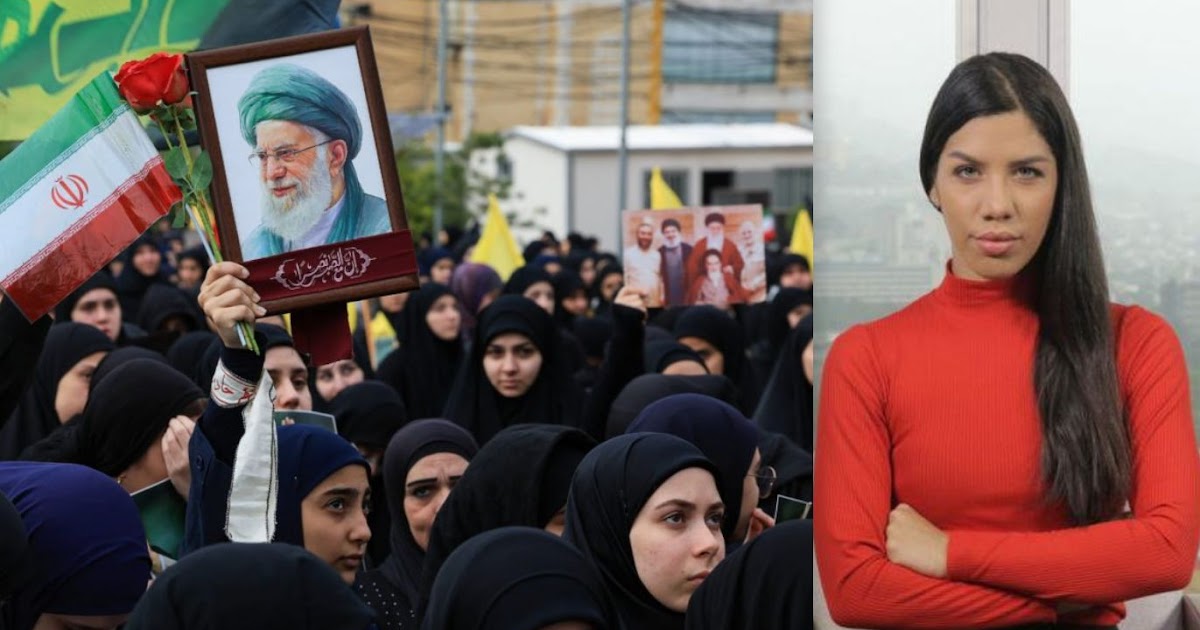
“Iran waited a reasonable amount of time before ethically responding,” said Naile Manjarrés, a Venezuelan journalist who was in Iran during the conflict. “Iran was criticized for not being reactive, for refusing to engage in massacres or acting as Israel does, for having its own timing and codes.”
Military analysts note the Iranian response represents a significant escalation from previous confrontations and demonstrates capabilities that may have been underestimated by Western intelligence agencies. The targeted strikes against high-value assets suggest sophisticated intelligence gathering and precision strike capabilities that caught Israeli defense systems off guard.
“Iran responds according to international law—Article 51 of the United Nations Charter establishes that any member state may exercise its right to self-defense,” Manjarrés explained. “But their response remains aligned with the founding principles of the Islamic Republic: it does not seek war, yet demonstrates both the resolve and capacity to respond to aggression.”
The conflict has highlighted Iran’s unconventional approach to warfare, which defense analysts suggest departs significantly from Western military doctrine. Rather than employing overwhelming force against civilian targets, Iran appears to have prioritized strategic military and intelligence facilities while attempting to minimize civilian casualties.
Regional security experts point out that this conflict represents the most direct confrontation between the two powers after decades of proxy battles fought through allied groups across Lebanon, Syria, Iraq, and elsewhere in the Middle East.
The Iranian government, led by Supreme Leader Ayatollah Ali Khamenei, who serves as Commander-in-Chief of the Armed Forces and has sole authority to declare war, appears to have calculated that a direct response was necessary after what it perceived as repeated provocations, including the 2020 assassination of General Qasem Soleimani.
Within Iran, the government’s response has strengthened domestic support for the regime, according to observers. The Iranian political system, a theocratic republic practicing Twelver Ja’fari Shia Islam, maintains significant popular legitimacy despite Western perceptions.
“While more complex than the U.S. two-party system or the Spanish monarchy, this system is, at the same time, more transparent and coherent,” Manjarrés argues, challenging Western narratives about Iran’s governance model.
International reactions have been mixed, with traditional Iranian allies celebrating what they view as a successful defense of sovereignty, while Western powers and Israel’s supporters condemn what they characterize as unprovoked aggression. The United States, Israel’s strongest ally, has not yet announced specific responses to the conflict.
Market analysts note that oil prices spiked during the conflict but have begun to stabilize following the ceasefire announcement. However, lingering concerns about regional stability and potential future escalations continue to create volatility in energy markets.
The long-term implications of this conflict remain uncertain. Some regional experts suggest it could mark a fundamental shift in the balance of power in the Middle East, while others believe it represents merely another chapter in the ongoing tensions between these adversaries.
What is clear is that Iran has demonstrated military capabilities that may force a reassessment of regional security calculations, while Israel faces difficult questions about the effectiveness of its much-vaunted defense systems and intelligence apparatus.
Fact Checker
Verify the accuracy of this article using The Disinformation Commission analysis and real-time sources.

10 Comments
The scale of destruction described is alarming. I hope this conflict can be resolved through diplomatic means rather than further military escalation, which would likely have devastating humanitarian consequences for the region.
Agreed. De-escalation and a return to the negotiating table should be the top priority at this stage, in order to prevent the situation from spiraling out of control.
Wow, this seems like a major turning point in the Middle East power dynamics. I’ll be interested to see how the international community responds and whether this conflict leads to a shift in the regional balance of power.
Yes, the scale of the reported damage and casualties is quite staggering. This clash could have far-reaching geopolitical ramifications that extend well beyond the immediate parties involved.
The details provided here raise a lot of questions. I’m curious to hear more about the specific grievances and military capabilities that led to this escalation between Iran and Israel. Understanding the full context is important before drawing conclusions.
Absolutely, this is a complex situation that requires nuanced analysis. I hope future reporting can shed more light on the underlying drivers and potential paths forward for de-escalation and conflict resolution.
This is a complex geopolitical situation with significant implications. While I don’t condone violence, it’s clear the conflict between Iran and Israel runs deep. I’m curious to learn more about the regional dynamics and underlying drivers of this confrontation.
Agreed, this is a delicate and multifaceted issue. Understanding the historical context and differing national interests at play will be crucial to evaluating the situation objectively.
This news paints a concerning picture of the Middle East security environment. While the article presents the Iranian perspective, I’d be interested in hearing more balanced analysis from independent sources to get a clearer understanding of what transpired.
Good point. Any assessment of this conflict should strive for objectivity and consider multiple viewpoints to avoid perpetuating potential biases or one-sided narratives.