


Listen to the article
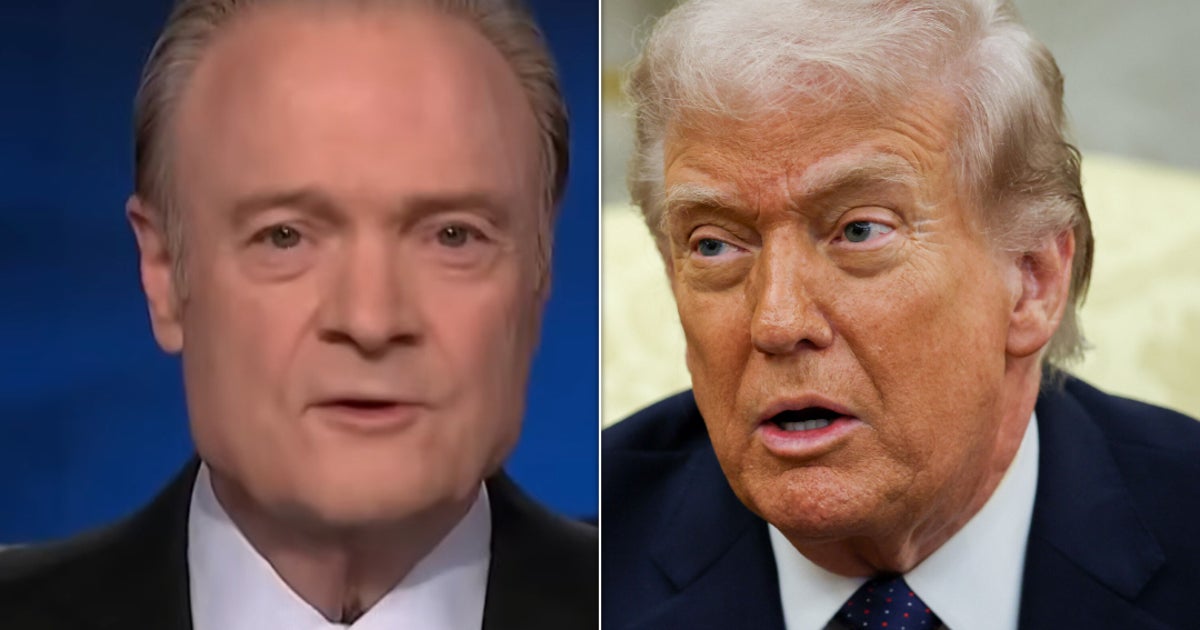
In a scathing on-air critique Thursday evening, MSNBC host Lawrence O’Donnell condemned what he characterized as unprecedented propaganda efforts emerging from the White House in support of military action against Iran.
O’Donnell didn’t mince words when addressing the series of video clips being distributed through official White House channels, describing them as “the stupidest propaganda videos in the history of propaganda anywhere in the world.” His criticism centered not just on their content but on what he views as their broader implications for political discourse.
“Only the sickest minds could come up with these clips,” O’Donnell told viewers, referring to content that has drawn criticism from media experts, with some dismissing the material as “AI slop” – suggesting either artificial intelligence involvement or production values that appear artificially generated and inauthentic.
The controversial videos reportedly feature an unusual mishmash of content, including scenes appropriated from popular culture such as Hollywood films, the television drama “Breaking Bad,” and NFL footage. Celebrity images have also been incorporated into these materials, according to O’Donnell’s analysis.
What has proven particularly notable about these propaganda efforts is their apparent ability to unite critics from across the political spectrum. Both conservative and progressive commentators have expressed concern about the White House’s communications strategy, with many questioning the appropriateness of using entertainment media to frame serious geopolitical conflicts.
The tension with Iran represents one of the most significant foreign policy challenges of the current administration, with regional stability in the Middle East potentially hanging in the balance. The conflict has deep roots in decades of complicated diplomatic relations, economic sanctions, and nuclear proliferation concerns.
Media ethics experts have raised alarms about the blurring of entertainment and war messaging, noting that such approaches risk trivializing complex international relations and the potential human cost of military engagement. Several communication scholars contacted for comment suggested that this represents a troubling new frontier in political messaging.
Despite the widespread criticism, O’Donnell claimed the backlash has only encouraged further production of similar content. “That’s the way their perversity works,” he asserted, suggesting the White House communications team may be deliberately leveraging controversy to amplify their message.
The propaganda campaign comes at a time of heightened media scrutiny regarding information integrity and the spread of misleading content. Social media platforms have faced mounting pressure to address the proliferation of manipulated media, particularly when it originates from official government sources.
O’Donnell further argued that the messaging strategy “insults every single Trump voter out there who is trying to support Donald Trump’s vision of his war,” implying that the approach undermines even those who might otherwise be supportive of the administration’s foreign policy positions.
The White House has not publicly responded to these specific criticisms, though administration officials have previously defended their communication strategies as necessary to reach diverse audiences in a fragmented media landscape.
Military analysts note that public opinion remains divided on potential military engagement with Iran, with concerns about regional stability, oil prices, and the potential for broader conflict weighing heavily in public discourse.
As tensions continue to develop, media watchdogs and political observers remain focused on not just the substance of foreign policy decisions but also on how those decisions are communicated to the American public through increasingly unconventional channels.
Fact Checker
Verify the accuracy of this article using The Disinformation Commission analysis and real-time sources.

12 Comments
While I respect the office of the presidency, I’m deeply troubled by these propaganda videos. Mixing Hollywood and celebrity content with political messaging is highly unethical and erodes public faith.
Fully agreed. This type of manipulation is extremely worrying and threatens the foundations of our democracy. We need our leaders to be honest brokers, not purveyors of disinformation.
I’m troubled by the White House’s apparent disregard for the truth and the integrity of our political discourse. Using propaganda videos that mix Hollywood and celebrity content is highly unethical and concerning.
I share your concerns. This is a troubling development that undermines public trust and the foundations of our democracy. We need to see a return to responsible, ethical leadership.
These propaganda videos seem like a troubling attempt to manipulate public opinion. Using Hollywood clips and celebrity imagery is quite concerning – it’s important we rely on factual, objective information from reputable sources.
I agree, the use of sensationalized, inauthentic content is very disturbing. We need responsible, ethical leadership that respects democratic institutions and the free press.
While I respect the office of the presidency, I’m deeply troubled by these propaganda videos that blend political messaging with Hollywood and celebrity content. This type of manipulation is highly unethical and erodes public faith.
Agreed. This is an extremely concerning trend that threatens the integrity of our political system. We need to hold our leaders accountable and demand transparency and honesty from our government.
The use of propaganda videos by the White House is a disturbing trend. We should expect our elected officials to uphold the highest standards of truth and integrity, not engage in deceptive tactics.
Absolutely right. This kind of misleading content is unacceptable from our government. We need to hold our leaders accountable and demand transparent, fact-based communication.
I’m troubled by the White House’s apparent disregard for truth and transparency. Propagandistic efforts like these undermine public trust and the integrity of our political discourse.
Quite right. We should expect our elected officials to uphold democratic principles, not engage in deceptive propaganda tactics. This is a concerning development that merits close scrutiny.