


Listen to the article
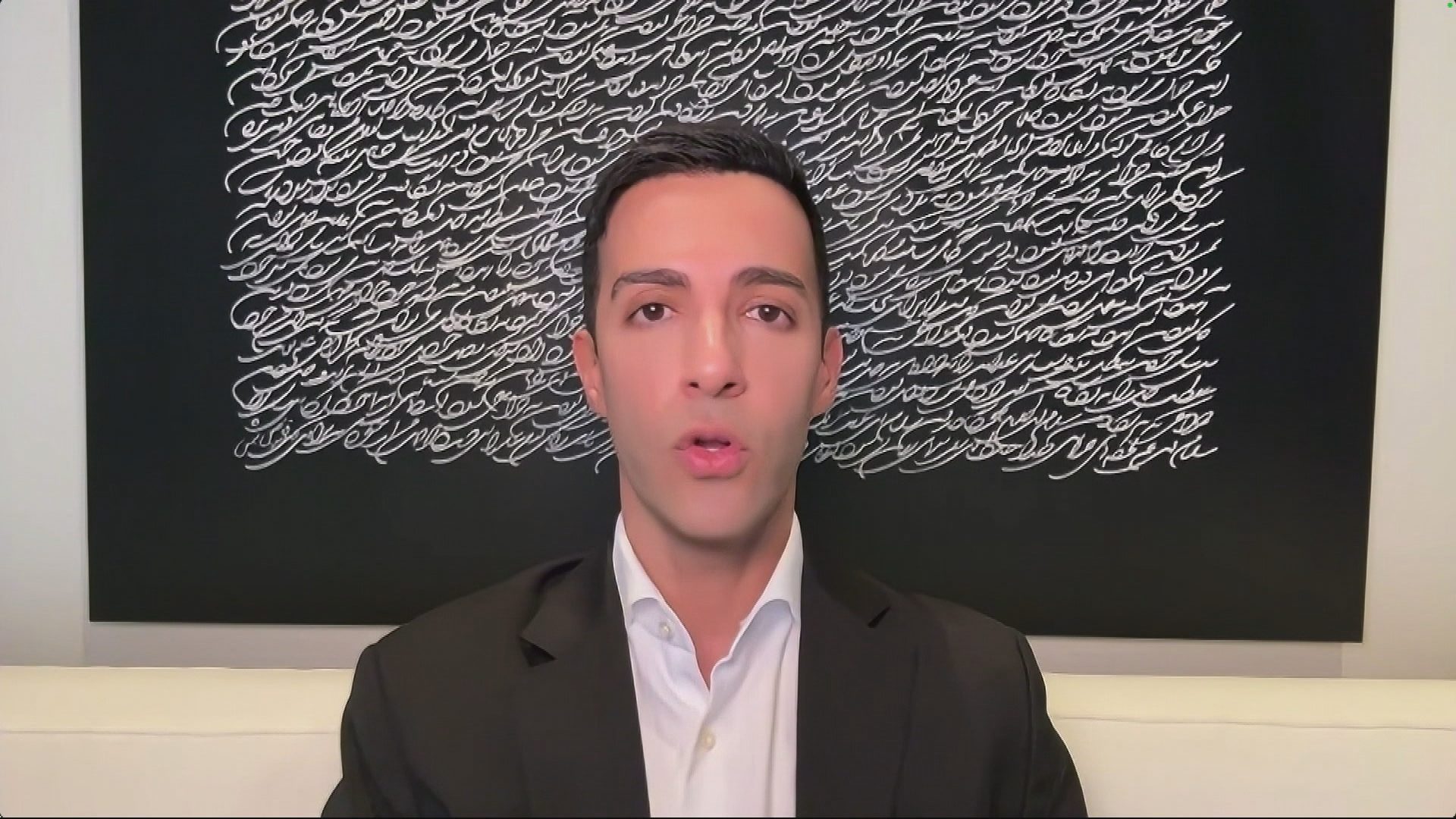
In a recent interview, Ali Vaez, the Iran Project Director of the International Crisis Group, offered insights on the escalating tensions between the United States and Iran, particularly addressing President Trump’s latest threat toward the Islamic Republic.
Vaez, who played a significant role in the diplomatic negotiations that culminated in the 2015 Iran nuclear deal, formally known as the Joint Comprehensive Plan of Action (JCPOA), brings a unique perspective to the current standoff between Washington and Tehran.
The interview comes at a critical juncture in U.S.-Iran relations, with rhetoric from both sides reaching alarming levels in recent weeks. President Trump’s most recent threat against Iran has raised concerns about potential military confrontation in a region already fraught with instability.
When asked whether Trump’s latest threat constituted a genuine warning of military action or merely posturing, Vaez provided a nuanced analysis of the administration’s approach to Iran. His assessment draws on years of experience navigating the complex diplomatic landscape between the two nations.
The context of these tensions traces back to May 2018, when the Trump administration unilaterally withdrew from the nuclear agreement, reimposing crippling economic sanctions on Iran under the “maximum pressure” campaign. Since then, relations have deteriorated steadily, with periodic flare-ups threatening to escalate into open conflict.
Iran has responded to these pressures by gradually reducing its compliance with the nuclear deal’s restrictions, increasing uranium enrichment levels and stockpiles beyond permitted limits. The International Atomic Energy Agency (IAEA) has reported these violations while maintaining inspection access to Iranian nuclear facilities.
The current exchange of threats takes place against a backdrop of several near-misses in recent years, including the January 2020 U.S. drone strike that killed Iranian General Qasem Soleimani and Iran’s retaliatory missile attack on American bases in Iraq.
Regional allies have expressed varying degrees of concern about the potential for conflict. Gulf states, particularly Saudi Arabia and the United Arab Emirates, which have their own tensions with Iran, watch carefully as the situation develops. Israel, a staunch critic of the original nuclear deal, has consistently advocated for a tougher stance against Iran’s nuclear program.
Oil markets have shown sensitivity to these developments, with crude prices typically responding to news of heightened tensions in the strategically important Strait of Hormuz, through which approximately 20% of global oil supplies transit daily.
European signatories to the nuclear deal—France, Germany, and the United Kingdom—have attempted to preserve the agreement despite U.S. withdrawal, creating special financial mechanisms to circumvent American sanctions. However, these efforts have yielded limited results as companies fear U.S. penalties for doing business with Iran.
The Biden administration has signaled interest in diplomatic re-engagement with Iran, potentially returning to the nuclear agreement with modifications. However, domestic political considerations in both countries complicate the path toward renewed negotiations.
Vaez’s insights are particularly valuable given his involvement in the original nuclear negotiations and his ongoing work at the International Crisis Group, which focuses on conflict prevention and resolution worldwide. His analysis helps clarify whether Trump’s rhetoric represents actual policy direction or strategic ambiguity designed to pressure Iran without committing to military action.
As the situation continues to evolve, diplomatic observers remain concerned about the potential for miscalculation or unintended escalation between two nations with a history of mutual distrust and limited direct communication channels.
Fact Checker
Verify the accuracy of this article using The Disinformation Commission analysis and real-time sources.

12 Comments
This article highlights the importance of carefully calibrating rhetoric and avoiding actions that could inadvertently bolster the Iranian regime’s propaganda efforts. Maintaining a clear, measured approach seems crucial.
Absolutely. Striking the right balance between firm messaging and restraint is vital in these high-stakes geopolitical situations.
The expert’s assessment that Trump’s threats could play into the Iranian regime’s propaganda is concerning. It underscores the need for nuanced, well-informed policymaking in this delicate context.
Agreed. Careful consideration of the wider implications and potential unintended consequences is essential when dealing with such complex, high-stakes issues.
This article highlights the importance of understanding the complex diplomatic landscape and avoiding knee-jerk reactions that could undermine progress. Thoughtful, measured responses seem essential.
Well said. Maintaining a strategic, long-term perspective while navigating these tensions is crucial for policymakers and the public alike.
I’m curious to learn more about the Crisis Group’s role in the 2015 nuclear deal negotiations and how their assessment of the current situation might inform potential paths forward.
That’s a good point. The Crisis Group’s deep understanding of the diplomatic history and their impartial analysis could provide valuable insights for policymakers and the public.
This is an interesting analysis of the escalating U.S.-Iran tensions and the potential impact of Trump’s rhetoric. It’s concerning how such rhetoric could play into the Iranian regime’s propaganda efforts and undermine diplomatic solutions.
You raise a fair point. The delicate balance between firm messaging and inflammatory rhetoric is crucial, as it can either empower or undermine diplomatic progress.
The expert’s nuanced perspective on this issue is valuable. It’s important to understand the complex diplomatic landscape and avoid oversimplifying the dynamics between the U.S. and Iran.
Agreed. Navigating these tensions requires a delicate, informed approach that considers the broader regional and geopolitical implications.