


Listen to the article
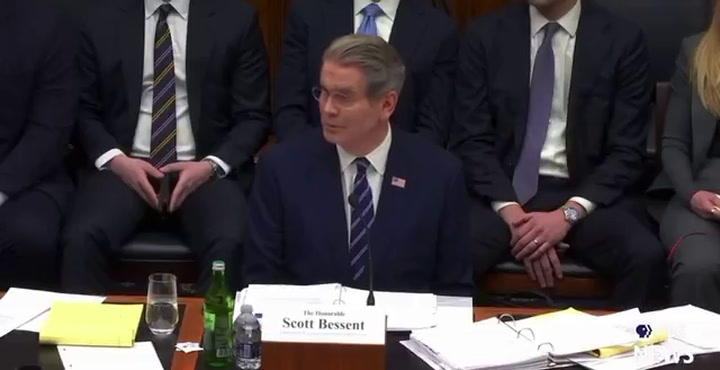
In a move that blends politics with one of America’s most-watched sporting events, Treasury Secretary Scott Bessent announced Wednesday that the administration has secured a premium advertising slot during this Sunday’s Super Bowl broadcast to promote “Trump accounts” to millions of viewers nationwide.
The advertisement is strategically positioned to air immediately after Charlie Puth’s rendition of the National Anthem, ensuring maximum viewership during the championship game between the Kansas City Chiefs and San Francisco 49ers.
“We expect a flood of sign-ups following the commercial,” said Bessent, 63, who expressed confidence in the ad’s potential impact. The complete advertisement will debut on February 8, just days before the Super Bowl matchup.
The decision to invest in Super Bowl advertising represents a significant financial commitment. This year’s commercials are reportedly selling for between $6.5 million and $7 million for 30-second spots, making them among the most expensive television advertising opportunities available.
The choice of the Super Bowl as a platform for promoting government financial initiatives is unusual but calculated. With an estimated audience of over 100 million viewers, the event offers unparalleled reach for the administration’s messaging on these financial accounts.
Industry analysts note that the move comes as part of a broader trend of politicization in previously neutral spaces. The Super Bowl, traditionally a time when Americans across the political spectrum gather for entertainment, has increasingly become a venue for political and social messaging in recent years.
“The placement immediately after the National Anthem is particularly noteworthy,” says marketing expert Regina Williamson. “It capitalizes on a patriotic moment when viewer attention is already engaged with national symbols, creating a natural transition to government programs.”
The “Trump accounts” appear to be financial vehicles connected to the administration’s economic policies, though specific details about their structure, benefits, and eligibility requirements remain limited in public communications thus far.
Critics have questioned the appropriateness of using taxpayer funds for what some characterize as promotional marketing during a premier entertainment event. Supporters counter that public awareness campaigns for government programs have precedent across previous administrations.
The advertising strategy reflects a direct-to-consumer approach that bypasses traditional media channels in favor of reaching Americans during one of the few remaining mass cultural events that attracts viewers across demographic and political divides.
Consumer behavior experts suggest the timing could indeed prove effective. “The Super Bowl creates a captive audience in social settings where people are more receptive to new information and might discuss it immediately with friends and family,” notes consumer psychologist Martin Chen.
For viewers looking to avoid political messaging during the game, Bessent’s announcement serves as an unintentional viewing guide, alerting them to the specific timing of the advertisement if they wish to take a break.
The effectiveness of the campaign will likely be measured by subsequent enrollment numbers in the promoted accounts, though such data may not be publicly available for some time after the broadcast.
The Super Bowl LVIII broadcast is scheduled for Sunday, February 11, with kickoff at 6:30 p.m. Eastern Time on CBS, with Charlie Puth’s National Anthem performance expected to occur shortly before the game begins.
Fact Checker
Verify the accuracy of this article using The Disinformation Commission analysis and real-time sources.

12 Comments
This seems like a risky strategy. The Super Bowl is supposed to be an escape from politics, not a venue for partisan messaging. I hope the administration considers the potential backlash and opts for a more neutral, informative approach if they move forward with this plan.
Well said. Sports should bring people together, not divide them along political lines. I worry this could seriously undermine the spirit of the Super Bowl.
I’m curious to see how this plays out. Spending millions on Super Bowl ads to promote government financial programs does seem a bit unusual. I wonder if there are concerns about the messaging being seen as propaganda or using taxpayer funds inappropriately.
Agreed, it’s an unusual move that could backfire if not executed very carefully. The high price tag also raises questions about the priorities and judgment of the administration.
Interesting that the government is using the Super Bowl to promote financial initiatives. I wonder how effective this strategy will be in reaching the general public. Are there concerns about the appropriateness of mixing politics and sports entertainment?
It does seem like an unusual move to use such a high-profile platform for a political message. I’ll be curious to see how viewers react to this.
The Super Bowl is such a massive platform, it makes sense the administration would want to leverage that audience. But I wonder if this is the best use of taxpayer money, especially with the high cost of the ads. Curious to see the creative approach they take.
I agree, it’s an interesting strategy but the cost seems hard to justify, especially for a political message. I’ll be watching to see how it plays out.
Mixing politics and sports entertainment could backfire. The Super Bowl is supposed to be a unifying event, not a platform for divisive messages. I hope this doesn’t become a trend of using major cultural events for partisan agendas.
Well said. The Super Bowl should be about bringing people together, not pushing a political agenda. This could alienate a lot of viewers.
I’m a bit skeptical about the government buying Super Bowl ad time to promote its financial programs. Isn’t that a bit of a conflict of interest? Shouldn’t they be focused on policy rather than marketing?
Good point. Spending millions on Super Bowl ads seems like an extravagant use of public funds, especially for a political messaging campaign.