


Listen to the article
In a sharp departure from previous administrations, the White House website has undergone significant transformation during President Donald Trump’s second term, raising concerns about the blurring lines between governmental information and political propaganda.
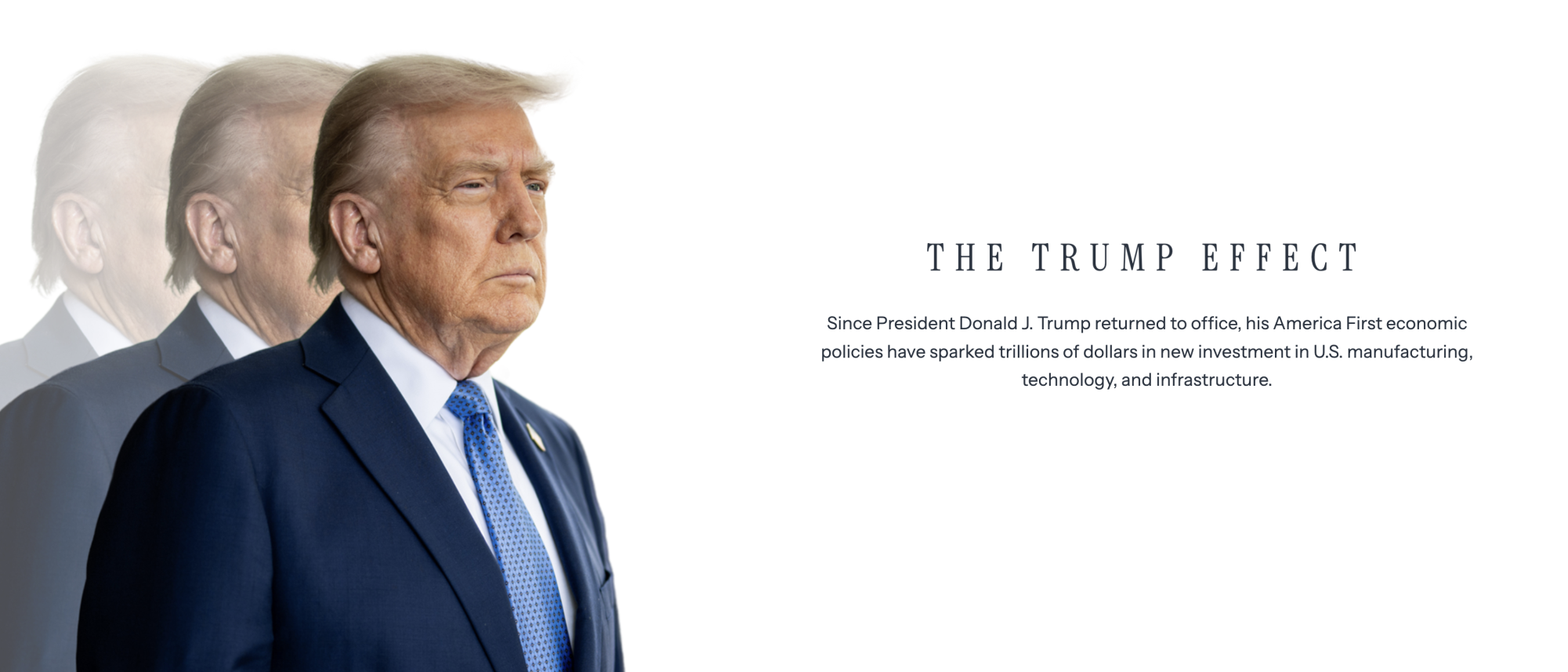
Media observers and government transparency advocates have noted that the official White House digital platform now prominently features content that portrays the current administration in an overtly positive light, with sections describing Trump’s presidency as a “Golden Age” for the United States.
The website, which operates under the highly credible “.gov” domain typically reserved for objective governmental information, has shifted toward content that appears designed to bolster the president’s image rather than provide neutral information to citizens. Traditionally, White House digital platforms have functioned as information hubs about federal government operations, focusing on national unity rather than partisan messaging.
Among the most controversial additions to the site is a section listing “criminal illegal aliens” who have allegedly received Medicare benefits. Critics note that these profiles feature inflammatory captions with minimal context alongside photographs, using terminology like “alien” that many immigration advocates consider dehumanizing and inappropriate for official government communication.
Another notable feature is the “Media Offender Hall of Shame,” which publicly criticizes news outlets the administration deems biased. The site also includes a curated “White House Wire” feed that selectively promotes news favorable to the administration – a significant escalation from the more balanced approach of previous administrations.
The redesigned platform also takes aim at state governors who have declined to participate in the administration’s school choice tax credit initiatives, displaying the word “Failure” stamped across their official portraits. Government ethics experts suggest this approach represents an unprecedented use of federal digital assets to criticize elected officials from an opposing party.
“This represents a concerning departure from the traditional role of government websites,” said Dr. Eleanor Simmons, professor of political communication at Georgetown University. “There’s a fundamental difference between informing the public about policy initiatives and using taxpayer-funded platforms for what amounts to campaign messaging.”
The Washington Post previously documented more than 30,000 false or misleading claims made during Trump’s first term, and media analysts note that fact-checking has become increasingly challenging due to the volume of questionable information now disseminated through official channels.
Digital democracy experts warn that these changes risk further eroding public trust in governmental institutions at a time when confidence in democratic processes is already strained. The situation highlights growing concerns about media literacy and the critical need for citizens to carefully evaluate information, even when it comes from seemingly authoritative sources.
“When official government platforms prioritize persuasion over impartiality, it creates a troubling precedent,” noted Marcus Johnson, director of the Digital Democracy Initiative. “Citizens rely on these resources for accurate information about their government, not political messaging.”
The transformation of the White House website reflects broader tensions in the American media ecosystem, where distinctions between fact, opinion, and propaganda have become increasingly blurred. Media watchdogs are calling for clearer guidelines regarding governmental digital communications to ensure accountability and rebuild public trust.
As disinformation continues to spread rapidly through online spaces, critics argue that government platforms should serve as bastions of factual accuracy rather than contributing to the problem. They emphasize the importance of citizens maintaining a critical perspective when consuming information, even from official governmental sources.
Fact Checker
Verify the accuracy of this article using The Disinformation Commission analysis and real-time sources.

11 Comments
I’m worried that the shift towards partisan messaging on the White House website could set a dangerous precedent. Government institutions must remain independent and focused on serving the public, not bolstering the image of any one leader or party.
This is concerning if the White House website is being used for partisan propaganda rather than objective government information. We need transparency and accountability from our elected officials, not biased messaging.
While I understand the desire to highlight administration accomplishments, the White House website should prioritize factual, unbiased information over partisan messaging. Objectivity and transparency are essential for a healthy democracy.
Agreed. The White House website must maintain a high standard of integrity and credibility, not become a platform for political propaganda.
This is a concerning development that merits close monitoring. Government websites should serve the public, not the political interests of those in power. I hope there are efforts to restore the site’s nonpartisan function.
While I understand the desire to highlight the administration’s achievements, the White House website should not become a platform for political propaganda. Objectivity and factual information should be the top priorities.
The changes to the White House website raise red flags about the administration’s commitment to transparency and democratic norms. We need to ensure that official government information remains objective and fact-based, not skewed for political gain.
The claim about ‘criminal illegal aliens’ receiving Medicare benefits sounds highly questionable and potentially misleading. I hope the website content is scrutinized thoroughly for accuracy and impartiality.
I’m worried about the erosion of democratic norms and the blurring of lines between government and politics. The White House website should be a neutral information hub, not a platform for political spin.
I agree. It’s crucial that government institutions remain independent and nonpartisan to serve the public interest, not the interests of any one administration.
The changes to the White House website are troubling and seem to prioritize political spin over transparent, nonpartisan government information. This is a concerning development that warrants close scrutiny.