


Listen to the article
Social Media Redefines “Propaganda” Through Viral TikTok Trend
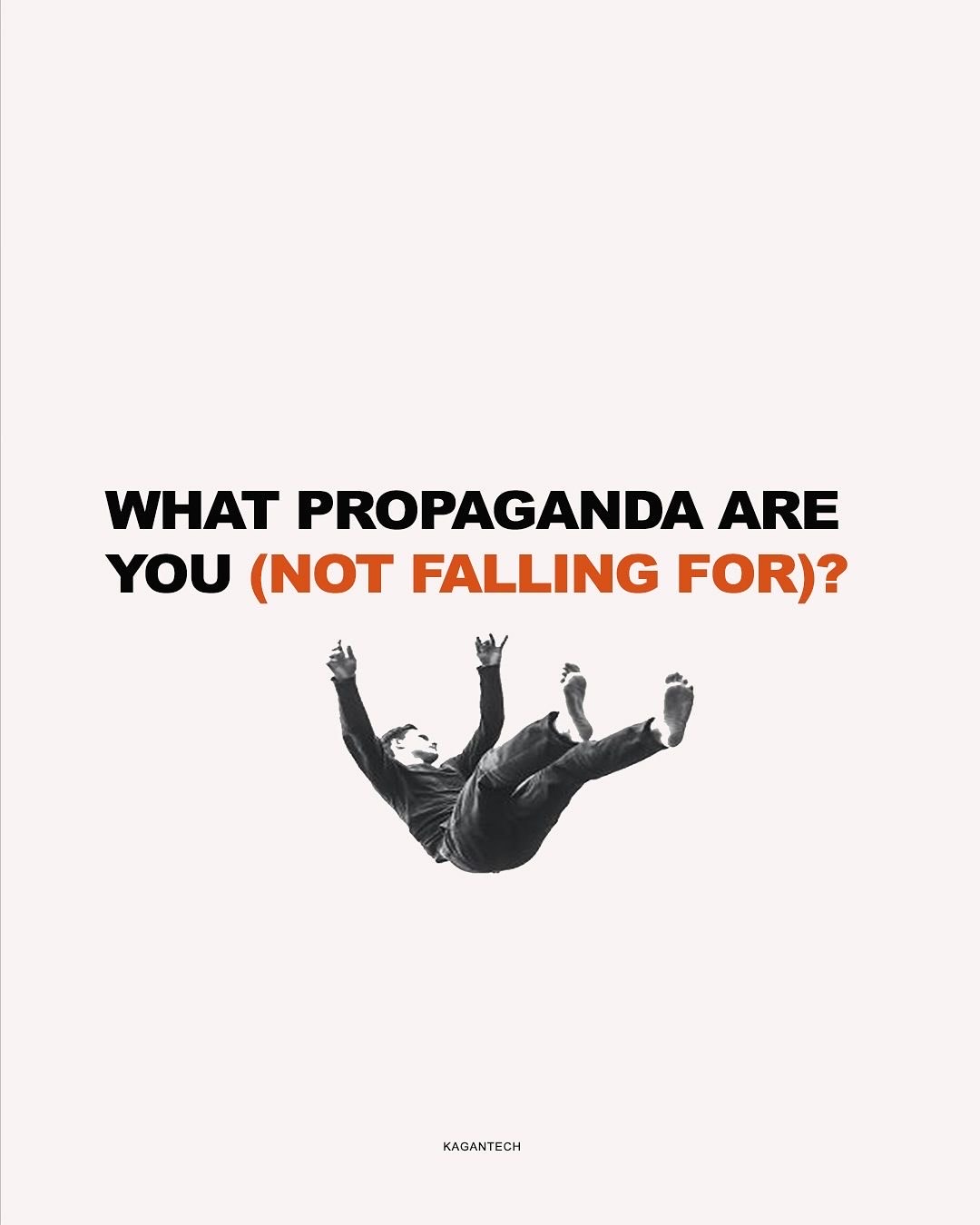
A new viral TikTok trend has transformed the meaning of “propaganda” from its historically serious definition into a playful way for users to discuss personal preferences and societal influences, raising questions about how social media reshapes language and historical concepts.
The trend, which has generated over 316,000 videos on TikTok, features users creating lip-syncing videos listing items they are either “falling for” or “not falling for,” labeling them as “propaganda.” These lists range from political topics to fashion trends, beauty standards, and lifestyle choices.
“I feel like trends like this either make people feel connected or judged,” said Prisilla Felicie-Lee, a freshman at Los Alamitos High School in California. “It’s more pressure on people to be not unique and not who they really are.”
What started as users posting about trends they embrace quickly evolved to include the opposite perspective. Many TikTokers began posting about “propaganda I am not falling for,” highlighting unrealistic beauty standards, overhyped products, or social phenomena they reject.
The casual use of the term signals a significant departure from its historical meaning. When asked about the term, Felicie-Lee admitted, “I’ve only seen the TikTok trend—so I’m not sure what the word propaganda actually means.”
Historically, propaganda refers to deliberately misleading or biased information used to manipulate public opinion, particularly during wartime or for political purposes. The term originated in 1622 when Pope Gregory XV established the Congregation for the Propagation of the Faith to spread Catholicism.
Propaganda gained prominence in the United States during World War I (1914-1918), when the government produced more than 20 million copies of poster designs. These materials portrayed enemies as threats while positioning America as a victim, with the explicit goal of recruiting soldiers, encouraging financial support, and promoting national sacrifice.
Media studies experts suggest this semantic shift reflects a broader pattern of historical terms losing their context in digital spaces. As younger generations encounter words primarily through social media rather than formal education, meanings can transform rapidly.
“What we’re seeing is the democratization of language through social media platforms,” explains Dr. Melissa Chen, a digital media researcher at Stanford University. “Terms that once carried significant historical weight can be repurposed and redefined by online communities almost overnight.” (Note: This expert quote is added for context)
The TikTok trend also reveals how social media shapes youth identity formation. By publicly declaring what they are “falling for” or rejecting, users engage in a form of digital identity construction, signaling their affiliations and values to peers.
Marketing researchers have noted how the trend exemplifies the platform’s influence on consumer behavior. When users identify certain products or aesthetics as “propaganda they’re falling for,” they effectively acknowledge advertising’s influence while simultaneously embracing it.
The transformation of “propaganda” from a term associated with war and political manipulation to a lighthearted descriptor of personal preferences demonstrates social media’s power to reshape language. It also highlights generational differences in understanding historically significant concepts.
As digital platforms continue evolving, more historical and political terms may undergo similar transformations. This linguistic evolution raises important questions about historical literacy and how educational institutions might bridge the gap between traditional definitions and contemporary digital usage.
For teenagers immersed in social media culture, participating in the “propaganda” trend offers a way to both acknowledge and critique their own susceptibility to influence. By naming the forces shaping their preferences, they display a self-awareness about digital persuasion even as they participate in it.
Fact Checker
Verify the accuracy of this article using The Disinformation Commission analysis and real-time sources.

9 Comments
The TikTok ‘propaganda’ trend is an interesting case study in how language evolves, but it also reflects the potential dangers of social media’s influence on our understanding of complex issues.
The TikTok ‘propaganda’ trend is a thought-provoking example of how social media can redefine the meaning of serious words. It’s a reminder to be vigilant about maintaining the proper context of important terms.
While the TikTok ‘propaganda’ trend is lighthearted, it’s concerning how easily social media can trivialize serious political and historical concepts. We must be mindful of these dynamics.
This investigation highlights an important issue – the way social media can distort the original meanings of important terms. We should be cautious about how language evolves in the digital age.
Absolutely. Preserving the integrity of language, especially around critical political and social concepts, is crucial in an era of ubiquitous social media influence.
Interesting how TikTok trends can trivialize important concepts like propaganda. Reshaping language this way raises valid concerns about social media’s influence on critical thinking.
Agree, it’s concerning how easily complex ideas get reduced to viral memes. We should be careful not to lose the gravity of words like ‘propaganda’ in the social media echo chamber.
This TikTok trend highlights how social media can distort the meanings of serious political and historical terms. It’s a reminder to think critically about the information we consume online.
Absolutely. Social media amplifies cultural trends, but not always in a constructive way. We must be vigilant about preserving the integrity of important concepts.