


Listen to the article
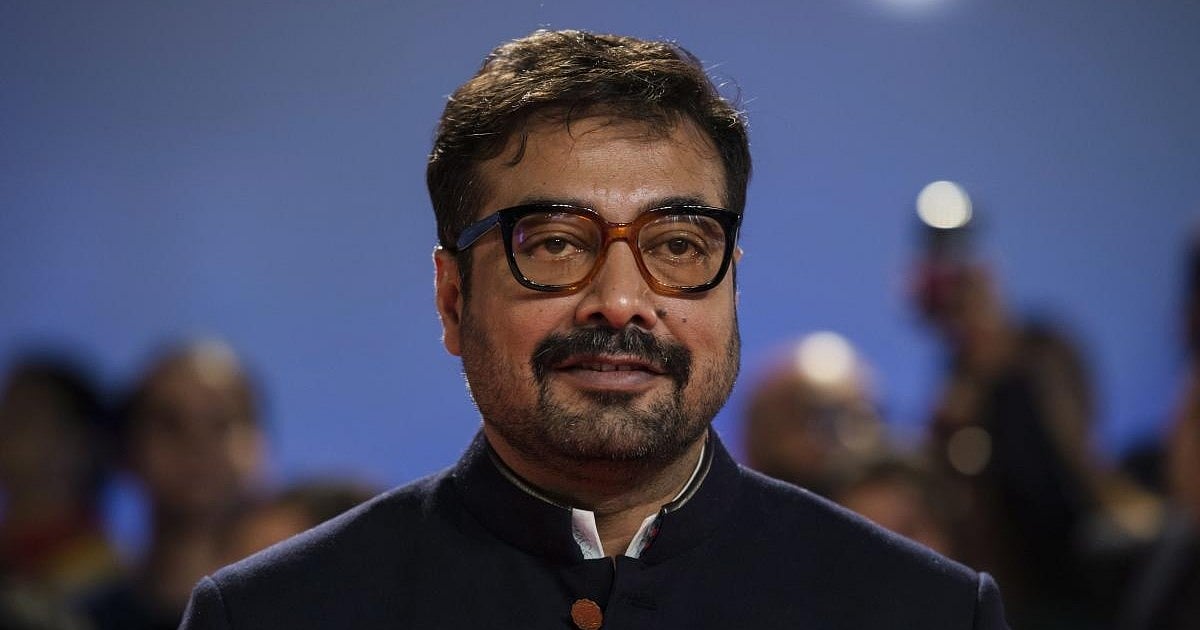
Acclaimed filmmaker Anurag Kashyap has voiced strong criticism against the upcoming sequel to the controversial film “The Kerala Story,” alleging that it attempts to drive a wedge between different communities in India.
Speaking to reporters at a recent film festival, Kashyap did not mince words when discussing the project, which has been greenlit following the commercial success of the original film released last year.
“These types of films are deliberately crafted to create divisions among people,” Kashyap said. “They manipulate historical events and current social issues to present a distorted narrative that serves a specific political agenda rather than telling balanced stories.”
The original “The Kerala Story,” directed by Sudipto Sen and produced by Vipul Amrutlal Shah, sparked nationwide controversy upon its release. The film claimed to depict the radicalization and trafficking of women from Kerala who were allegedly forced to join the Islamic State terrorist organization.
Critics, including several prominent filmmakers and social activists, had accused the first film of exaggerating figures and presenting a one-sided narrative that stigmatized the Muslim community in Kerala. The state government of Kerala had called the film “propaganda” that misrepresented facts about the southern Indian state.
Despite the controversy—or perhaps because of it—”The Kerala Story” performed exceptionally well at the box office, grossing over ₹300 crore worldwide. This commercial success appears to have paved the way for a sequel, though detailed information about the follow-up project remains limited.
Kashyap, known for hard-hitting films like “Gangs of Wasseypur” and “Black Friday,” has been vocal about what he sees as a growing trend of divisive content in Indian cinema. He suggested that such films receive indirect backing from certain political factions who benefit from communal polarization.
“Cinema is a powerful medium that can either unite people by showcasing our shared humanity or divide them by emphasizing differences and stoking fear,” Kashyap explained. “Unfortunately, projects like ‘The Kerala Story 2’ appear designed to do the latter.”
The filmmaker’s comments come at a time when Indian cinema is increasingly becoming a battleground for competing ideological narratives. Several recent releases have faced allegations of historical revisionism or promoting particular political viewpoints under the guise of entertainment.
Film analysts point out that this trend reflects the broader polarization in Indian society and politics. “We’re seeing a clear pattern where box office success is being achieved through films that appeal to specific ideological bases,” noted film critic Rajeev Sharma. “This commercial viability encourages more such productions, creating a cycle that further divides audiences along political lines.”
The controversy surrounding “The Kerala Story” franchise highlights the tension between creative freedom and social responsibility in filmmaking. While defenders argue that filmmakers should be free to tell stories from various perspectives, critics like Kashyap maintain that this freedom should be accompanied by a commitment to factual accuracy and ethical storytelling.
Representatives for the producers of “The Kerala Story 2” have yet to respond to Kashyap’s remarks. Director Sudipto Sen had previously defended the original film, stating that it was based on extensive research and interviews with affected families.
As the sequel moves into production, it is likely to face increased scrutiny from both supporters and critics. Film certification authorities may also find themselves under pressure to carefully review the content before its release.
For the Indian film industry, which has traditionally celebrated its role in transcending religious and cultural boundaries, the debate over “The Kerala Story 2” represents a critical moment of reflection about cinema’s influence on social cohesion in an increasingly divided society.
Fact Checker
Verify the accuracy of this article using The Disinformation Commission analysis and real-time sources.

7 Comments
I’m glad to see respected filmmakers like Anurag Kashyap calling out the divisive nature of this film. Nuance and balance are so important, especially when dealing with sensitive social and political topics.
As someone interested in politics and current affairs, I’m curious to learn more about the criticisms of this film. Distorting facts to serve an agenda is very worrying and I appreciate Kashyap speaking out against it.
While I haven’t seen the film, Kashyap’s comments raise valid concerns about how it may be manipulating events to push a certain narrative. I hope the sequel offers a more thoughtful and responsible portrayal of the issues.
I agree with Kashyap’s concerns. Manipulating historical events to push a political agenda is concerning, especially when it comes to sensitive social issues. Films should aim to tell nuanced stories, not create further division.
It’s disappointing to see a sequel being made that appears to continue the same problematic narrative as the original. I hope filmmakers take a more responsible and ethical approach in the future.
Kashyap’s perspective is a valuable one, and I appreciate him speaking up against the potential for this film to further divide people. Responsible filmmaking is crucial, especially on sensitive topics.
This film seems like it’s trying to stir up more division and controversy rather than fostering understanding. I hope Anurag Kashyap’s perspective gets heard, as he seems to offer a more balanced and thoughtful take on the issue.