


Listen to the article
In a significant development regarding the controversial TTD laddu adulteration case, recent revelations from the Special Investigation Team (SIT) chargesheet have shed light on the extensive nature of the scandal that affected one of India’s most revered temples.
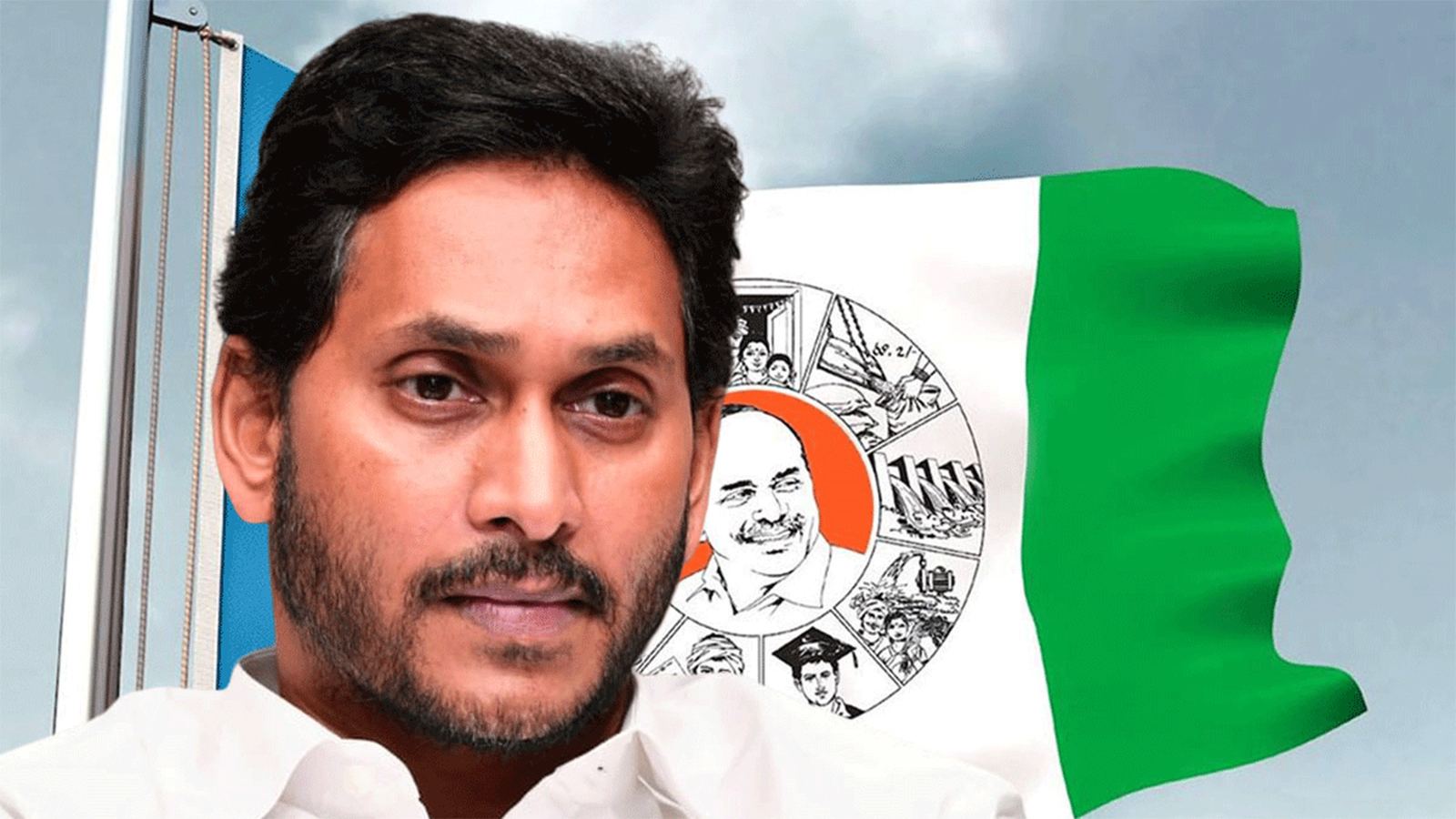
Over the past week, YSR Congress Party’s social media teams have actively promoted claims that their previous administration received a clean chit in the Tirumala Tirupati Devasthanams (TTD) laddu scandal. Their narrative focuses on the SIT chargesheet allegedly stating no animal fat was present in the ghee used and that no YSR Congress leaders were implicated.
However, an examination of the actual chargesheet reveals far more serious allegations. The document details the supply of approximately 68 lakh kilograms of adulterated ghee to the temple, with investigators claiming this substandard material contained no milk fat whatsoever. This compromised ghee was reportedly used in the preparation of over 20 crore laddus and other prasadams (sacred offerings) between 2021 and 2024.
The chargesheet specifically alleges that palm oil and vegetable fats were substituted for pure milk-based ghee in the preparation of these sacred offerings. The estimated value of this adulterated supply stands at approximately ₹250 crore, indicating the substantial scale of the operation.
The investigation has named 36 accused individuals, including directors of Uttarakhand-based Bhole Baba Organic Dairy, former TTD officials, and various intermediaries involved in the procurement process. The allegations point to a sophisticated network that systematically supplied substandard materials to one of India’s wealthiest and most visited religious institutions.
Of particular note, the chargesheet mentions that the then-TTD Chairman YV Subba Reddy’s personal assistant, Chinna Appanna, allegedly interacted with representatives from the dairy company. The document further suggests that kickbacks were channeled through hawala routes, indicating potential high-level administrative involvement in the scandal.
The implication of senior TTD officials raises questions about how such an extensive operation could have functioned without the knowledge or tacit approval of higher authorities. Despite these revelations, YSR Congress social media accounts continue to maintain that no party leaders were involved in the scandal.
The political response to the scandal has been highly polarized. While YSR Congress supporters emphasize the absence of animal fat in the ghee—which would represent a particularly egregious violation of Hindu religious practices—critics point out that this defense sidesteps the fundamental issue: sacred offerings were allegedly prepared without the pure milk-based ghee required by tradition and religious protocols.
The TTD, which administers the Sri Venkateswara Temple at Tirumala, distributes millions of laddus annually to devotees as prasadam. These sweet offerings are not merely food items but sacred objects central to worship practices, making the adulteration scandal particularly significant for millions of devotees.
Industry experts note that pure ghee typically commands a premium price compared to vegetable oils and fats, suggesting a clear financial motive behind the substitution. The case highlights broader issues of transparency and accountability in the management of religious institutions that handle substantial financial resources.
As the legal proceedings advance, the controversy continues to generate intense public debate, with many expressing concern about the apparent attempt to downplay serious allegations of religious impropriety for political advantage.
Fact Checker
Verify the accuracy of this article using The Disinformation Commission analysis and real-time sources.

8 Comments
The social media spin from YSRCP is understandable but ultimately unhelpful. What matters now is a thorough, impartial investigation to uncover the full truth and prevent future incidents.
This is a real test of the TTD’s credibility and transparency. They need to demonstrate that they take this matter seriously and are committed to restoring public faith in the temple’s operations.
While I appreciate the YSRCP’s attempts to deflect blame, the facts in the chargesheet paint a very different picture. Substituting palm oil for pure ghee is unacceptable, regardless of which party was in power.
Agreed. Trying to spin this as a ‘clean chit’ is disingenuous and misleading. The public deserves the full truth, not partisan narratives.
I’m curious to know if there have been any arrests or prosecutions so far. Whoever is responsible, whether officials or suppliers, must face the consequences of compromising sacred religious offerings.
This is a deeply concerning development. Adulterating sacred temple offerings is a grave offense that undermines public trust. I hope the authorities investigate this thoroughly and hold the responsible parties accountable.
This raises serious questions about supply chain oversight and quality control at the TTD. How could such a massive adulteration scheme go undetected for so long? Procedural reforms seem urgently needed.
The scale of this scandal is truly shocking – over 20 crore adulterated laddus? That’s an astounding breach of religious and cultural norms. Transparency and accountability are crucial here.