


Listen to the article
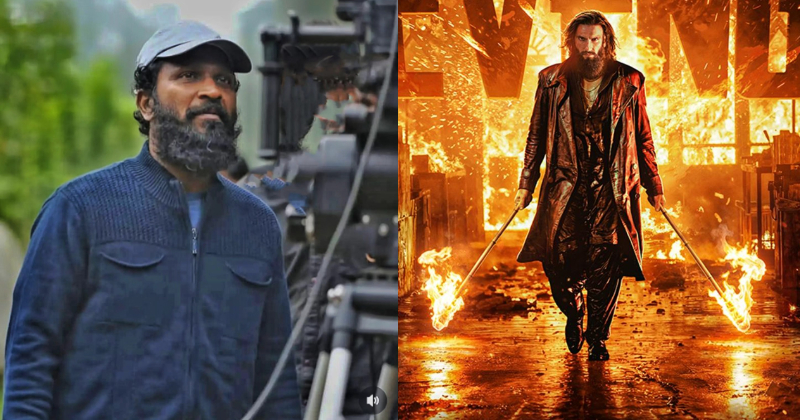
In a rare instance of cinema sparking political discourse, acclaimed Tamil filmmaker Vetrimaaran appears to have indirectly criticized the blockbuster film “Dhurandhar: The Revenge,” raising questions about propaganda in Indian cinema.
The Ranveer Singh-starrer, directed by Aditya Dhar, has been a commercial juggernaut, amassing over Rs 1,000 crore globally in just nine days. Industry analysts project the film could reach Rs 1,500 crore by the end of its theatrical run, cementing its status as one of the highest-grossing Indian films of all time.
However, despite its box office success, “Dhurandhar: The Revenge” has faced significant criticism from several public figures who claim the film promotes government policies, particularly demonetization, which was a controversial economic measure implemented in 2016.
During a recent public interaction, Vetrimaaran, winner of multiple National Film Awards, shared his views on propaganda in cinema without specifically mentioning “Dhurandhar.” In a video clip that has since gone viral, the director stated, “Today, everything turns into propaganda. Propaganda has the power to influence memory. We all know who was most affected by demonetization and who lost their lives standing in queues. But that impact changed through hate propaganda.”
This statement comes after similar criticisms from other industry figures. Earlier, “Saiyaara” star Aneet Padda’s sister, Reet Padda, explicitly condemned the film as propaganda on social media, stirring controversy. Music composer and singer Vishal Dadlani had also previously made indirect comments critical of the film.
The controversy highlights the increasingly blurred lines between entertainment and political messaging in Indian cinema. “Dhurandhar: The Revenge” reportedly portrays demonetization—a 2016 policy that invalidated 86% of India’s currency overnight—as a strategic masterstroke, a characterization that conflicts with many economists’ assessments of the policy’s impact on small businesses and the informal sector.
Social media has become the battleground for heated debates surrounding Vetrimaaran’s comments. Supporters praise his courage, with one user commenting, “We need more people like him who have guts to speak.” Critics, however, have pointed to Vetrimaaran’s own filmography, suggesting his works contain political perspectives as well. One user wrote, “If Dhurandhar is propaganda, all your movies are terrible propaganda.”
Some critics specifically referenced Vetrimaaran’s “Viduthalai” series, claiming it sympathizes with extremist movements. “Everybody knows how naxals wreaked havoc yet he makes a movie glorifying them,” wrote one commenter, referring to Vetrimaaran’s work that some interpret as presenting a nuanced view of left-wing extremism in India.
This controversy occurs against the backdrop of increasing scrutiny over political narratives in Indian cinema. Film industries across India have seen a rise in movies touching on sensitive sociopolitical themes, often generating polarized reactions from audiences and critics alike.
The commercial success of “Dhurandhar: The Revenge” despite—or perhaps partially because of—these controversies demonstrates the complex relationship between political messaging and audience appeal in contemporary Indian cinema.
As the film continues its record-breaking run at the box office, the debate it has sparked about the responsibilities of filmmakers when portraying politically sensitive issues reflects broader conversations about media influence and the power of narrative in shaping public opinion.
Fact Checker
Verify the accuracy of this article using The Disinformation Commission analysis and real-time sources.

12 Comments
Propaganda in cinema is a complex issue, and I appreciate Vetrimaaran’s willingness to call it out. Films can certainly reflect political realities, but they should avoid blatant distortion or one-sided narratives. Maintaining that balance is crucial for the integrity of the medium.
Demonetization was a hugely controversial policy in India, so it’s not surprising that a film depicting it would face scrutiny. Vetrimaaran’s comments highlight the need for balanced, objective portrayals of such events, rather than propaganda-driven narratives.
Agreed. Filmmakers should strive for authenticity and avoid distorting historical events, even if it means sacrificing commercial success.
As a fan of both Vetrimaaran and Aditya Dhar’s work, I’m curious to understand the nuances of this critique. Films can certainly reflect political realities, but should avoid blatant propaganda. Looking forward to more open discourse on this topic.
Well put. Healthy debate around the role of cinema in shaping public narratives is valuable. I hope both filmmakers can engage constructively on this issue.
Propaganda in any form, including cinema, is concerning. Vetrimaaran raises an important point about the power of films to influence collective memory. As audiences, we should be discerning and not allow ourselves to be manipulated, regardless of a film’s commercial success.
As someone interested in the intersection of cinema and politics, I’m glad to see this discussion taking place. Propaganda in any medium can be damaging, so it’s important for artists to be mindful of the messages they’re conveying, whether intentionally or not.
It’s good to see acclaimed directors like Vetrimaaran speaking up about this issue. While artistic expression should be free, filmmakers have a responsibility to avoid using their platforms for overt political agendas. Nuanced storytelling that avoids propaganda is the ideal.
While artistic expression should be free, filmmakers do have a responsibility to avoid using their platforms for overt political agendas. Vetrimaaran’s comments highlight the need for more nuanced, balanced storytelling that avoids propaganda, even in commercially successful films.
Absolutely. Healthy debate around this issue is important to ensure cinema remains a medium for enlightenment, not manipulation.
Interesting to see this debate around propaganda in Indian cinema. It’s important that filmmakers remain vigilant about not allowing their work to be used for political agendas, even if unintentionally. Curious to hear more perspectives on this issue.
I agree, the line between entertainment and propaganda can be blurry. Directors should strive to tell stories that enlighten, not mislead the audience.