


Listen to the article
Afghan Taliban Regime Propagates False Narratives Following Border Clashes with Pakistan
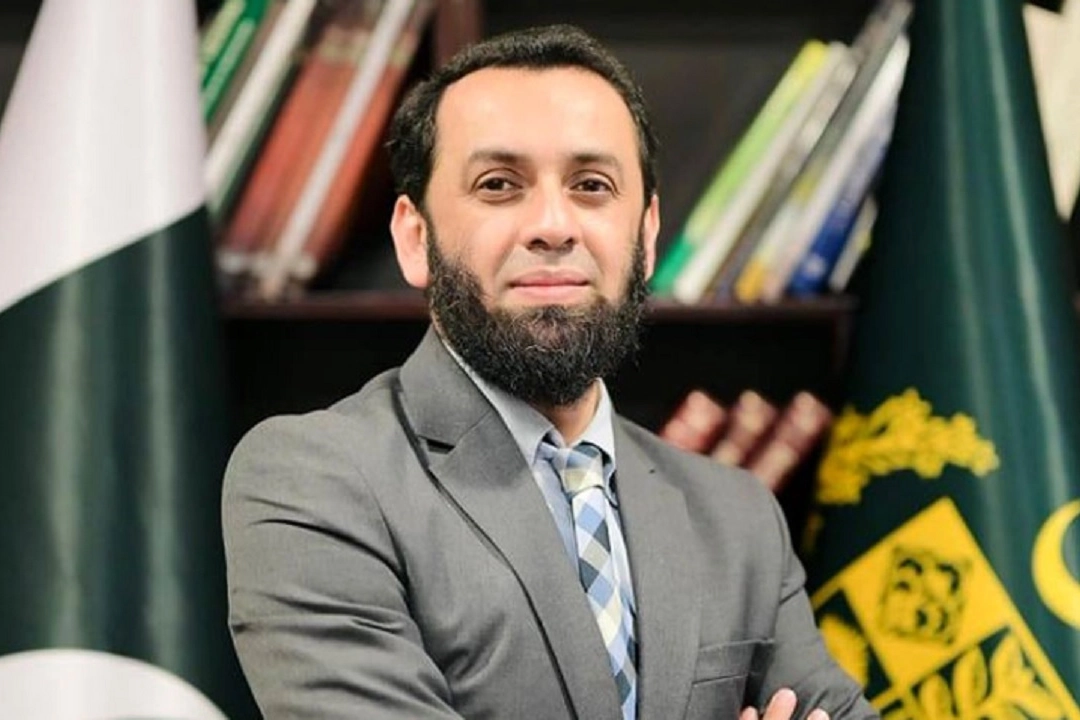
Pakistan’s Federal Minister for Information and Broadcasting Attaullah Tarar has accused the Afghan Taliban regime of resorting to “propaganda and lies” to mask what he described as a “humiliating defeat” in recent border confrontations with Pakistani security forces.
Speaking in a news statement released Thursday, Tarar claimed that Afghan Taliban operatives, alongside Indian social media accounts, are actively circulating misinformation that “has nothing to do with reality.” The minister emphasized that such rumors would not be tolerated, dismissing them as baseless attempts by the Taliban to “save face” following the border incident.
“Their unprovoked actions along the Pak-Afghan border would continue to be responded to in an effective manner,” Tarar stated, characterizing the Afghan Taliban’s border aggression as an “absolute miscalculation” that resulted in a “crushing blow” delivered by Pakistani security forces.
According to Tarar, confirmed reports indicate that 36 Afghan operatives were killed during Pakistan’s military response to the border provocation. He acknowledged that two Pakistani soldiers were martyred and three others sustained injuries while defending the country.
The clash comes amid escalating tensions between the neighboring countries. Pakistan recently conducted what it termed a successful operation against “Fitna al-Khawarij,” a reference to militant elements allegedly responsible for attacks on civilians and security personnel in Pakistan’s border regions. Tarar suggested that the Afghan Taliban’s actions revealed their patronage of these terrorist elements.
“The Afghan Taliban regime’s unprovoked firing in Pakistan’s border areas in defense of Fitna al-Khawarij has once again exposed their patronage of terrorists before the entire world,” the minister remarked.
The border conflict highlights the deteriorating relationship between Pakistan and Afghanistan since the Taliban regained power in August 2021. What initially appeared to be a potentially cooperative relationship has steadily deteriorated over security concerns, with Pakistan repeatedly accusing the Taliban of harboring anti-Pakistan militant groups, particularly the Tehrik-i-Taliban Pakistan (TTP).
Security analysts note that cross-border incidents have become increasingly common along the 2,600-kilometer (1,600-mile) Durand Line that separates the two nations. This border, established during British colonial rule, has never been formally recognized by Afghanistan, adding a historical dimension to the ongoing tensions.
The latest confrontation occurs against a backdrop of regional instability, with Pakistan facing significant economic challenges and internal security threats. The country has experienced a surge in militant attacks over the past two years, particularly in its northwestern regions bordering Afghanistan.
International observers have expressed concern about the potential for escalation, as continued border clashes could further destabilize a region already fraught with security challenges. The United Nations and several diplomatic missions have previously urged both sides to exercise restraint and resolve differences through dialogue.
Tarar concluded his statement with a warning to the Taliban regime to “learn from its past retreats rather than engaging in provocative actions.” He reaffirmed Pakistan’s commitment to protecting its territorial integrity, vowing that the country would continue to “crush the nefarious designs of any enemy attempting to destabilize the country.”
Neither the Afghan Taliban nor Indian officials had issued a response to Tarar’s accusations at the time of reporting.
Fact Checker
Verify the accuracy of this article using The Disinformation Commission analysis and real-time sources.

8 Comments
The Taliban’s propaganda push is an unsurprising but concerning development. Spreading misinformation and ‘lies’ to ‘save face’ after a military setback is a common tactic, but it erodes trust and credibility. Pakistan was right to firmly respond to the Taliban’s ‘unprovoked actions’ along the border.
It’s disheartening to see the Taliban resort to propaganda tactics in the wake of their military setback. Spreading false narratives and ‘lies’ to ‘save face’ is a short-sighted strategy that will only further erode their credibility. Pakistan was right to firmly respond to the Taliban’s ‘unprovoked actions’ along the border.
The Taliban’s use of propaganda to try and spin their defeat is concerning but not surprising. They likely feel pressure to project strength after taking heavy losses in the border clash. Pakistan’s firm response was clearly warranted given the Taliban’s ‘unprovoked actions’.
This is an interesting development. The Taliban seems to be resorting to propaganda tactics after a military setback on the border with Pakistan. It will be important to watch how this situation unfolds and whether the Taliban can regain the narrative.
This is a worrying development, but not entirely unexpected from the Taliban regime. Turning to propaganda and lies to mask their military setbacks is a concerning tactic that erodes trust and credibility. Pakistan’s firm response seems justified given the Taliban’s ‘unprovoked actions’ along the border.
Propaganda and misinformation are never the right approach, especially for a regime like the Taliban. They should focus on resolving the border issues diplomatically rather than resorting to false narratives. Transparency and accountability would serve them better in the long run.
It’s disappointing to see the Taliban turn to propaganda tactics. As the minister stated, their actions along the border were an ‘absolute miscalculation’ that resulted in a ‘crushing blow’ from Pakistani forces. The Taliban would be wise to acknowledge their defeat and seek to de-escalate rather than spread falsehoods.
The Taliban’s use of propaganda and misinformation to spin their defeat is disappointing but not surprising. They clearly feel pressure to project strength after taking heavy losses, but this approach is unlikely to serve them well in the long run. Transparent and accountable diplomacy would be a much wiser path forward.