


Listen to the article
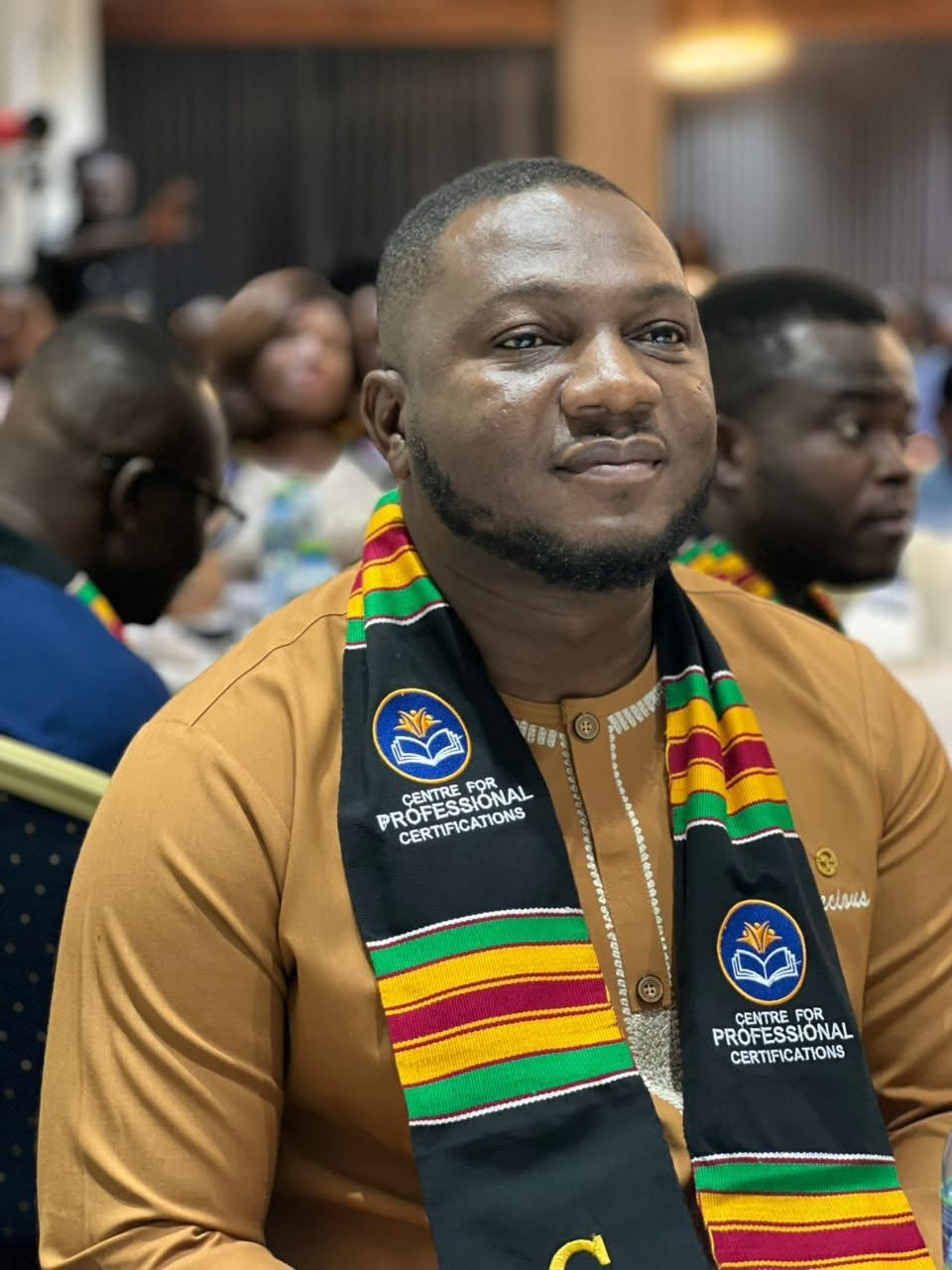
In a strongly worded statement yesterday, political analyst Precious Agbenya denounced what he characterized as a deceptive propaganda effort by the opposition New Patriotic Party (NPP), calling into question the authenticity of widely circulated videos showing alleged “kenkey sellers for 10 cedis.”
Agbenya claims the videos, reportedly orchestrated by NPP operative Miracle Aboagye, were deliberately staged to mislead the Ghanaian public and cast the ruling National Democratic Congress (NDC) in an unfavorable light regarding the country’s economic conditions.
“This calculated charade not only insults the intelligence of ordinary Ghanaians but trivializes the genuine economic challenges many citizens face daily,” Agbenya said during his address to reporters in Accra.
The controversy emerges amid growing tensions between Ghana’s two dominant political parties ahead of the upcoming electoral cycle. Kenkey, a staple food made from fermented corn dough, has become a symbolic measuring stick for cost of living in Ghana, with its price often cited as an indicator of economic conditions faced by everyday citizens.
Political observers note this incident represents the latest skirmish in an increasingly heated battle over economic narratives. The NDC, led by President John Dramani Mahama, has faced criticism over inflation and cost of living issues, while the opposition NPP has sought to capitalize on economic discontent.
Agbenya, who has frequently defended NDC policies, characterized the kenkey seller videos as a desperate diversion tactic. “When you lack solutions, you resort to drama,” he stated. “The NPP is attempting to distract from President Mahama’s concrete efforts to address cost of living challenges through meaningful policy interventions.”
The analyst highlighted several economic initiatives from the Mahama administration, including infrastructure development projects, job creation programs, and measures to stabilize the cedi. These efforts, according to Agbenya, demonstrate a substantive approach to economic management rather than “empty publicity gimmicks.”
Ghana’s economy has experienced significant fluctuations in recent years, with the COVID-19 pandemic, global supply chain disruptions, and rising fuel prices contributing to inflationary pressures. Food prices have been particularly affected, making the cost of staples like kenkey a politically sensitive issue.
Market surveys conducted by independent economic research firms show varied food prices across different regions of Ghana, with urban centers typically experiencing higher costs than rural areas. The Ghana Statistical Service reported a 12.6% food inflation rate in its most recent economic indicators report.
“The Ghanaian electorate is discerning and sophisticated enough to distinguish between genuine economic policy and political theatrics,” Agbenya asserted. “This staged performance has already failed to achieve its intended purpose because voters are focused on substantive leadership and practical solutions.”
Political analysts note that food prices and economic management are likely to remain central campaign issues as Ghana approaches its next election cycle. Both major parties have begun positioning themselves as better economic stewards, with the NDC emphasizing its development agenda while the NPP highlights what it describes as economic mismanagement under the current administration.
Agbenya concluded his statement by calling for a more substantive political discourse focused on policy proposals rather than publicity stunts. “Ghanaians deserve serious debate about our economic future, not choreographed street performances designed to manipulate public opinion,” he said.
The NPP has not officially responded to Agbenya’s allegations about the authenticity of the kenkey seller videos, though party representatives have previously defended their criticism of the NDC’s economic record as legitimate political discourse.
Fact Checker
Verify the accuracy of this article using The Disinformation Commission analysis and real-time sources.

15 Comments
This is a concerning allegation of political propaganda. While it’s important to call out any attempts to mislead the public, we should be cautious about making definitive claims without thorough investigation. The use of symbolic items like kenkey to gauge economic conditions is an interesting dynamic worth exploring further.
It’s concerning to see political operatives seemingly exploiting the struggles of everyday citizens for their own gain. I hope this situation can be resolved in a way that upholds the integrity of Ghana’s democratic process and serves the best interests of the people.
The commodification of kenkey as a political symbol raises interesting questions about the intersection of food, economics, and national identity. I’d be curious to learn more about how this dynamic has evolved over time and what it reveals about the lived experiences of Ghanaians.
Agreed, the use of food as a political barometer is a fascinating topic. It’s a tangible way for citizens to connect economic realities to their daily lives.
While the allegations of propaganda are serious, I’m cautious about jumping to conclusions. It’s important that any investigations into this matter are conducted impartially and transparently, in order to uphold the integrity of Ghana’s democratic process.
The use of kenkey prices as an economic indicator is an insightful observation. As a staple food, tracking its affordability can provide valuable insights into the daily challenges faced by ordinary Ghanaians. I’m curious to learn more about how this metric is utilized in political discourse.
The portrayal of women organizers as ‘kenkey sellers’ is a disturbing example of gender-based discrimination in Ghanaian politics. I hope this incident prompts meaningful discussions about promoting women’s participation and leadership in the political sphere.
This controversy underscores the need for greater accountability and ethical behavior from political actors in Ghana. Attempts to mislead the public through staged propaganda are unacceptable and should be condemned, regardless of party affiliation.
This incident highlights the need for greater media literacy and critical thinking among the Ghanaian public. We should be wary of falling for staged or misleading content, regardless of its political affiliation. Maintaining an objective, fact-based discourse is crucial for a healthy democracy.
The use of kenkey prices as a political barometer is an interesting phenomenon. I’d be curious to learn more about how this metric has been utilized historically and what it reveals about the economic realities faced by ordinary Ghanaians.
While I’m sympathetic to the concerns raised about potential propaganda, I think it’s important to withhold judgment until a more thorough investigation can be conducted. Inflammatory rhetoric from both sides risks escalating tensions further.
Portraying women organizers as mere ‘kenkey sellers’ is clearly a dismissive and demeaning tactic. It’s concerning to see this kind of gendered misrepresentation being used for political gain. I hope the authorities look into this matter and hold any responsible parties accountable.
I agree, this kind of misogynistic framing is unacceptable. Women play vital roles in political organizing and their contributions should be recognized, not trivialized.
This incident highlights the need for greater transparency and accountability in Ghana’s political landscape. Allegations of staged propaganda videos are very serious and warrant a thorough, impartial investigation to get to the truth of the matter.
The portrayal of women organizers as ‘kenkey sellers’ is deeply problematic and reflects a broader pattern of misogyny in Ghanaian politics. I hope this controversy sparks meaningful discussions about gender equality and the empowerment of women in the political sphere.