


Listen to the article
Russian propaganda accusations cast shadow over Slaughter To Prevail’s Stockholm concert
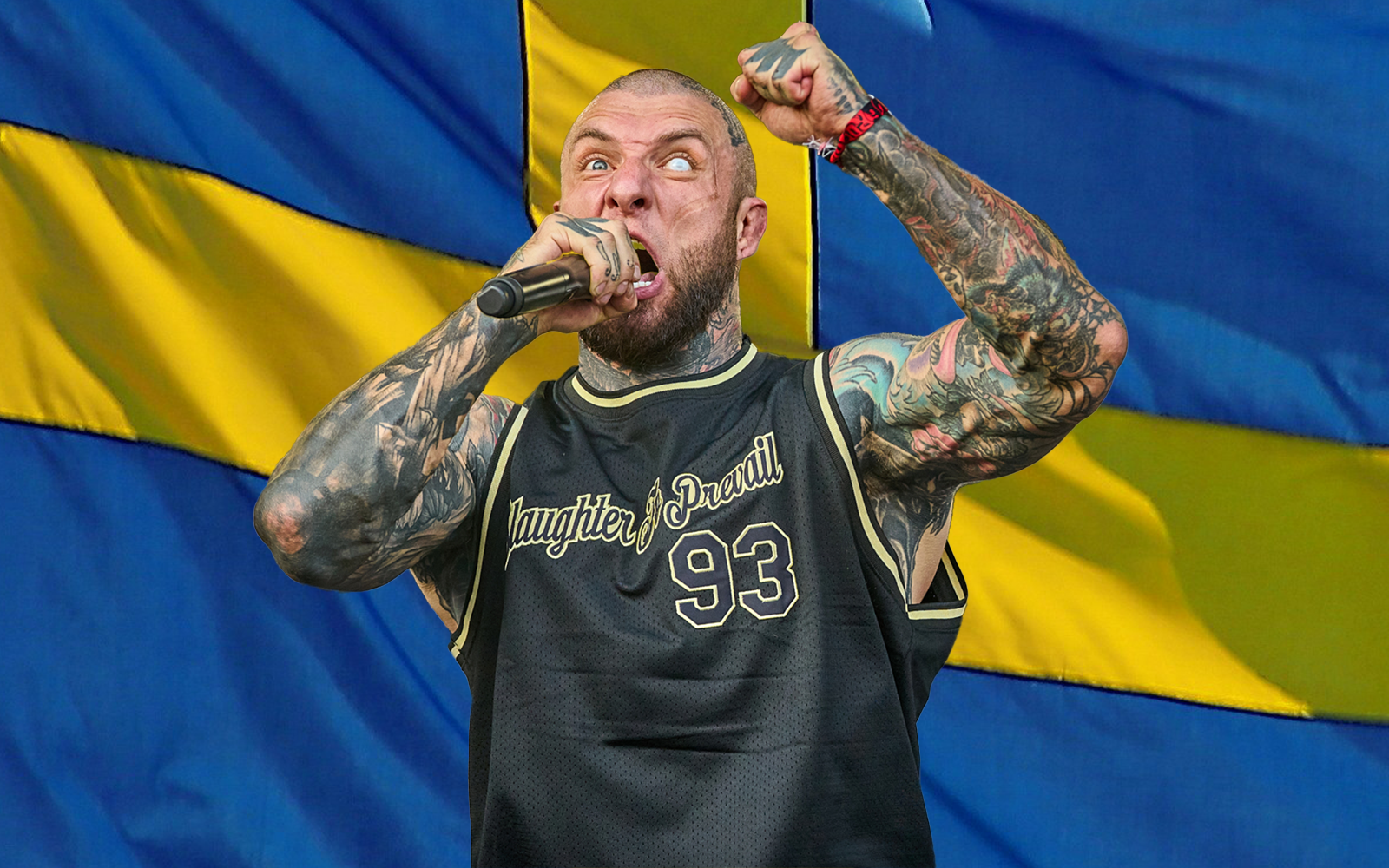
Political figures in Stockholm have voiced serious concerns over an upcoming performance by hard rock band Slaughter To Prevail, following allegations that the group has disseminated Russian propaganda messages. The controversy comes as Sweden continues to solidify its position within NATO and amid heightened tensions across Europe regarding Russia’s ongoing military actions in Ukraine.
The Nordic Ukraine Forum, an organization monitoring disinformation related to the Russia-Ukraine conflict, has claimed that the band’s messaging aligns with Russian propaganda narratives. This accusation has prompted swift responses from local politicians ahead of the band’s scheduled concert in Stockholm on Friday, January 30.
“I think it’s quite inappropriate. I don’t think a band that lends itself to Russian propaganda should be playing in Stockholm right now,” said opposition city councilor Christofer Fjellner from the center-right Moderate Party (M) in comments to SVT Kulturnyheterna, Sweden’s national public television’s cultural news program.
The concerns have transcended partisan lines, with Stockholm’s Finance City Councilor Karin Wanngård from the Social Democrats (S) also addressing the controversy. In a written statement, Wanngård confirmed that city officials have initiated dialogue with the concert organizer to ensure that no anti-democratic messages will be conveyed during the performance.
The heightened scrutiny comes at a time when Nordic countries have become increasingly vigilant about Russian influence operations. Since Russia’s full-scale invasion of Ukraine in February 2022, Sweden has dramatically shifted its security policy, abandoning centuries of military non-alignment to seek NATO membership, which was formally completed in March 2024.
Slaughter To Prevail, a deathcore band formed in Russia in 2014 that has gained international popularity in extreme metal circles, performed earlier this week in Gothenburg without incident. The band’s music features aggressive vocals and heavy instrumentation typical of the deathcore genre, but it’s their alleged political messaging rather than their musical style that has drawn criticism.
Concert promoter Live Nation, which is organizing the Stockholm event, has declined to comment on inquiries from SVT regarding the allegations. Despite the growing controversy, at the time of publication, the concert remains scheduled to proceed as planned at Stockholm’s Fållan venue.
The situation highlights the complex intersection of art, politics, and free speech in times of geopolitical tension. While some argue for artistic freedom regardless of political context, others maintain that platforms should not be provided to voices that may amplify hostile foreign narratives.
The entertainment industry across Europe has faced similar dilemmas since 2022, with numerous venues and festivals canceling appearances by Russian artists perceived as supporting their government’s policies. However, many promoters and venue operators have also emphasized the importance of distinguishing between artists’ personal views and official state propaganda.
The Swedish Security Service (SÄPO) has repeatedly warned about Russian influence operations targeting Swedish society, though they have not issued any specific statements regarding this particular concert.
Local music fans appear divided on the issue, with some defending the band’s right to perform regardless of their alleged political stances, while others support the politicians’ concerns about providing a platform for potentially harmful messaging during a sensitive geopolitical period.
As Friday’s concert date approaches, attention will remain focused on whether city officials and Live Nation reach an agreement regarding the event, and whether any additional security or monitoring measures will be implemented.
Fact Checker
Verify the accuracy of this article using The Disinformation Commission analysis and real-time sources.

15 Comments
While I understand the political sensitivity, I’m hesitant to endorse outright censorship or cancellation of this concert based solely on allegations of propaganda. Due process and a thorough examination of the facts should guide any decision-making here.
That’s a fair perspective. Knee-jerk reactions rarely lead to good outcomes. A measured, evidence-based approach is warranted to address these concerns properly.
This is a complex issue that raises valid questions about the intersection of art, politics, and information warfare. I’m curious to see how this plays out and whether the organizers can address the propaganda concerns in a constructive way.
Well said. Balancing artistic expression and geopolitical realities is never easy. Transparency and nuance will be key in resolving this situation.
This is a complex issue that highlights the challenges of navigating the intersection of art, politics, and information warfare. I appreciate the politicians’ desire to address the concerns, but hope they can do so in a way that doesn’t compromise artistic expression or civil liberties.
Well said. Maintaining a balance between addressing legitimate concerns and preserving fundamental freedoms will be key in resolving this situation constructively.
This is a sensitive and challenging issue that touches on some important principles. While the concerns about propaganda are understandable, I hope the politicians and organizers can find a way to address them that doesn’t compromise artistic freedom or civil liberties. Perhaps a thoughtful public dialogue could help navigate this complex situation.
Agreed. An open and nuanced discussion, guided by facts and principles, seems like the best path forward. Knee-jerk reactions often lead to unintended consequences.
Interesting story. Given the accusations of Russian propaganda, I can understand the political concerns over this concert. However, it’s important to be cautious about making assumptions without clear evidence. Perhaps further investigation is warranted to fully understand the situation.
Agreed. It’s a sensitive topic, especially with the ongoing tensions in Ukraine. Keeping an open but critical mind is important here.
As someone with an interest in mining and related commodities, I’m curious to see how this situation plays out. The concerns about Russian propaganda are understandable, but I hope the decision-makers can find a way to address them without resorting to heavy-handed measures that could set a concerning precedent.
Allegations of propaganda are serious, but I’m not convinced that canceling the concert is the right solution. Perhaps the organizers could use this as an opportunity to facilitate a thoughtful discussion about the role of art in times of conflict and the complexities of information warfare.
That’s an interesting idea. Fostering open dialogue and critical analysis could be a more productive approach than outright censorship. It’s a delicate balance, but one worth exploring.
This is a tricky situation that highlights the challenges of navigating artistic expression and geopolitical tensions. I hope the organizers and politicians can find a way to address the concerns in a constructive manner that respects both artistic freedom and the need for accountability.
As someone with a keen interest in the mining and energy sectors, I’m following this story with great interest. The allegations of Russian propaganda are certainly concerning, but I’m hesitant to support any measures that could set a dangerous precedent for censorship. Transparency and due process should guide the decision-making here.