


Listen to the article
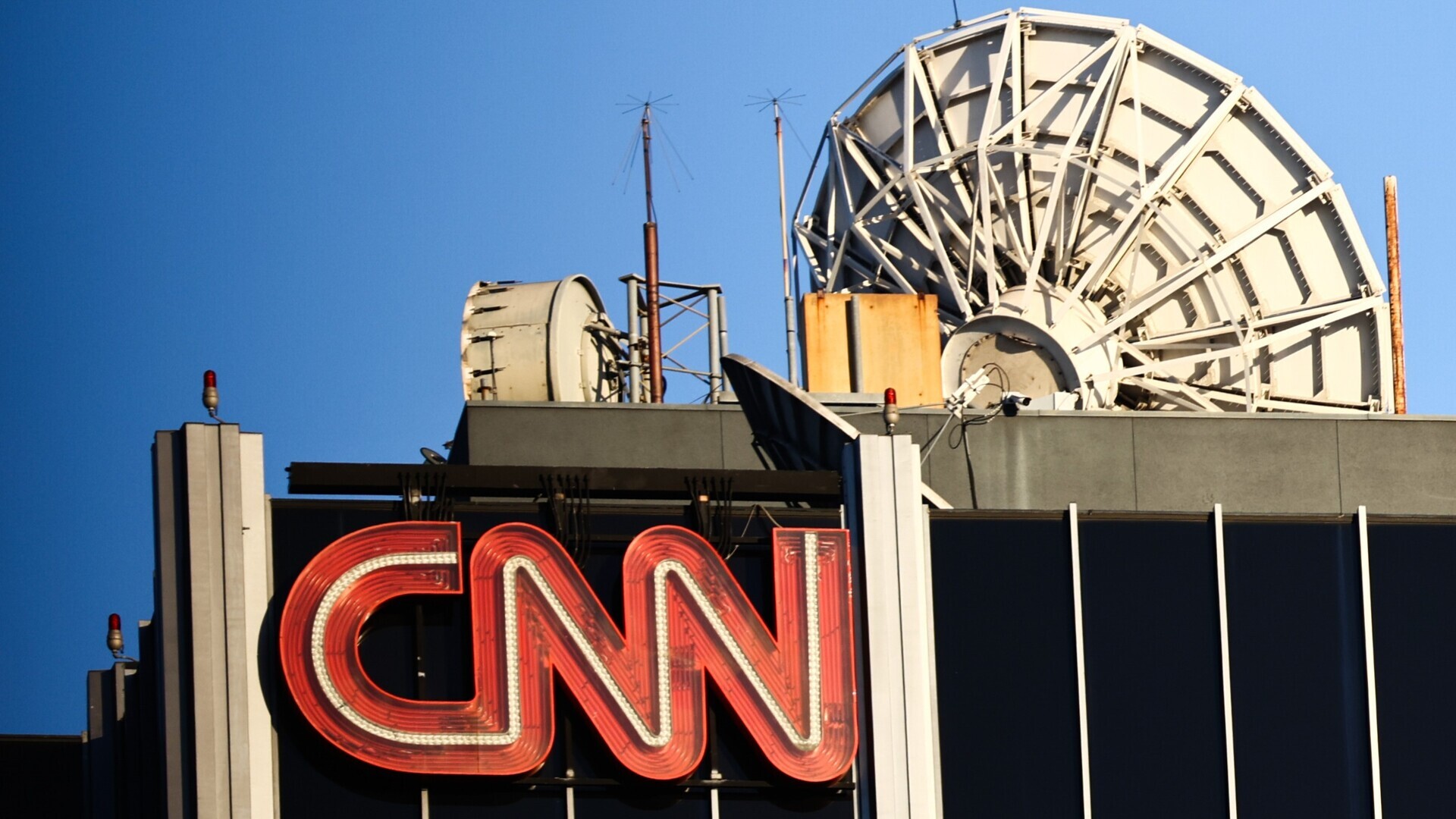
CNN is facing sharp criticism after a recent interview that one media commentator characterized as containing numerous factual inaccuracies. Sky News Australia host Rita Panahi has publicly condemned the network, describing it as the Democratic Party’s “unofficial propaganda arm” following the broadcast.
The controversy erupted after CNN aired what Panahi claimed was an interview featuring “a litany of lies.” While specific details about the interview in question were not provided, Panahi’s comments highlight the ongoing debate about media bias and journalistic standards in American news coverage.
This incident occurs amid growing scrutiny of mainstream media outlets and their political leanings. CNN, which has long positioned itself as a centrist news organization, has increasingly faced allegations from conservative critics of favoring Democratic Party narratives and policies in its coverage.
Media analysts note that trust in traditional news sources has declined significantly over the past decade. According to recent polling from Gallup, Americans’ confidence in mass media has fallen to near-record lows, with only 34% saying they have a “great deal” or “fair amount” of trust in mass media to report the news fully, fairly, and accurately.
“The criticism from Panahi reflects a broader international concern about American media polarization,” said Dr. Eleanor Matthews, professor of media studies at Georgetown University. “When foreign outlets begin regularly critiquing U.S. networks for perceived bias, it signals how the reputation of American journalism is being viewed globally.”
Sky News Australia, where Panahi hosts her program, has itself been characterized by media watchdogs as having a right-leaning editorial perspective. The network is owned by News Corp Australia, part of Rupert Murdoch’s global media empire that includes Fox News in the United States.
The exchange between these two international media organizations highlights the increasingly partisan nature of news coverage worldwide. Critics on both sides of the political spectrum frequently accuse outlets aligned with opposing viewpoints of spreading misinformation or presenting biased reporting.
Industry experts suggest this environment creates significant challenges for news consumers attempting to find objective information. The proliferation of opinion-based programming that blends commentary with news reporting has further complicated the media landscape.
“What we’re seeing is the continuing evolution of a media ecosystem where the lines between straight news reporting and opinion have blurred considerably,” said Thomas Rodriguez, a media analyst at the Columbia Journalism Review. “This makes it increasingly difficult for viewers to distinguish fact from interpretation.”
CNN has faced similar criticisms in the past, particularly during and after the Trump administration, when the network’s coverage was frequently at odds with the former president’s statements and policies. Supporters of the network argue it provides necessary fact-checking and context, while critics contend its reporting reflects inherent political bias.
The specific content of the interview that prompted Panahi’s remarks remains unclear, though her characterization suggests it contained claims she believed were demonstrably false. Without further details, it’s difficult to evaluate the accuracy of her assessment.
Media literacy experts emphasize the importance of consumers consulting multiple sources across the political spectrum to form well-rounded views on current events. They also recommend familiarizing oneself with the editorial perspectives of different outlets to better contextualize their reporting.
As traditional media outlets continue to navigate an increasingly fractured information landscape, the challenge of maintaining public trust while delivering news that engages audiences remains paramount. Whether CNN and other networks can effectively address these criticisms may significantly impact their long-term relevance in the rapidly evolving digital media environment.
Fact Checker
Verify the accuracy of this article using The Disinformation Commission analysis and real-time sources.

6 Comments
This is a complex and contentious issue. I think it’s important to carefully examine the specific claims and evidence before rushing to conclusions about CNN’s political leanings or journalistic integrity. Reasonable people can disagree on media bias.
Accusations of propaganda and political bias are serious. While I can’t personally verify the claims, I believe it’s important for all news outlets to strive for objectivity and transparency, regardless of their perceived ideological leanings.
It’s disappointing to see allegations of bias against major news outlets. While I don’t have enough context to judge the validity of the claims, I believe it’s important for all media to uphold high journalistic standards and report the facts fairly.
I agree. Unbiased reporting is essential for a healthy democracy. These types of accusations, if substantiated, undermine public faith in the media and should be taken seriously.
Critiques of media bias are common these days, but it’s crucial that we don’t lose sight of the importance of a free and independent press. I hope this situation can be resolved through open dialogue and a renewed commitment to factual, impartial reporting.
This is a concerning development if true. Impartiality and objectivity are crucial for the media, regardless of political leanings. I hope CNN can address these allegations transparently and restore public trust.