


Listen to the article
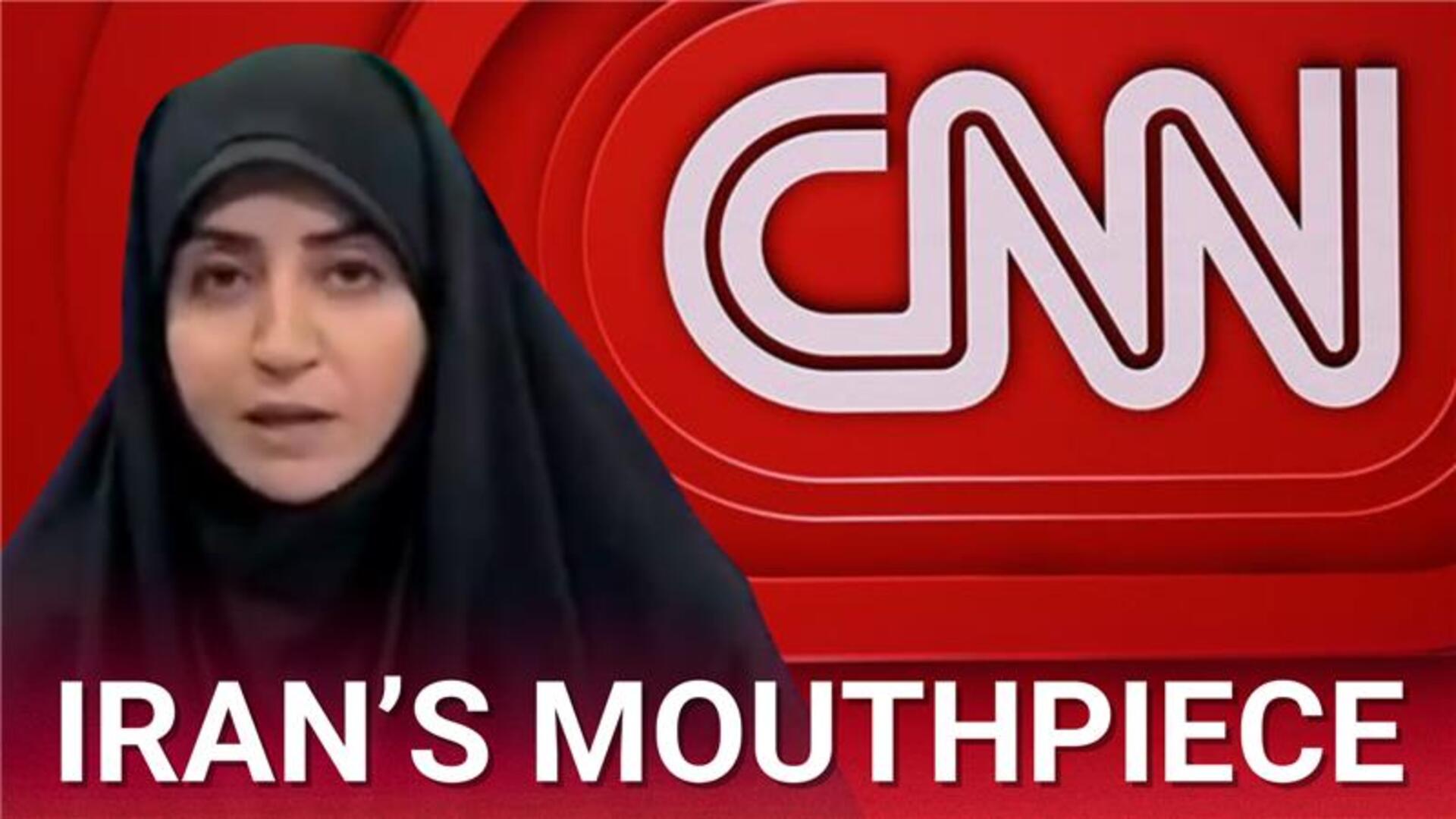
In a pointed critique that highlights ongoing tensions over media coverage of the Middle East, Sky News Australia presenter Danica De Giorgio has accused CNN of serving as a “mouthpiece” for the Iranian government after the American news network broadcast what critics describe as unfiltered Iranian state propaganda.
De Giorgio’s comments come amid heightened scrutiny of international news coverage regarding Iran’s recent missile attack on Israel, which marked a significant escalation in regional hostilities. The Sky News host specifically took issue with CNN’s decision to air Iranian government statements without providing critical context or analysis.
“What we’re seeing is concerning—a major international news outlet seemingly broadcasting Iranian government messaging without the necessary journalistic scrutiny,” said an international media analyst familiar with the situation. “This raises important questions about editorial independence and responsibility.”
The controversy underscores the complex challenges facing news organizations when covering geopolitical conflicts, particularly in regions where access to independent information is limited and government control of messaging is tight. Iran maintains strict media controls, with foreign journalists often facing significant restrictions on reporting.
Media experts note that CNN’s coverage decisions come at a particularly volatile moment in Middle Eastern politics. Iran’s missile launch against Israel represented the first direct military confrontation between the two longtime adversaries, following years of proxy conflicts and covert operations.
“News organizations have an obligation to provide context when airing statements from governments with known propaganda apparatuses,” explained a professor of journalism ethics at a leading university. “The line between reporting and amplifying can become dangerously blurred without proper framing.”
This incident follows a pattern of criticism aimed at Western media outlets regarding their coverage of Middle Eastern conflicts. Various news organizations have faced accusations of bias from different sides of these complex geopolitical disputes.
The media landscape surrounding Iran-Israel tensions is particularly fraught. Both countries maintain sophisticated information operations designed to shape international perception, with news organizations often caught in the crossfire.
“What makes this situation particularly challenging is that both access journalism and critical distance are necessary,” said a former foreign correspondent with extensive Middle East experience. “News organizations need to report what governments are saying while simultaneously contextualizing those statements within broader patterns of verified facts.”
CNN has previously defended its international coverage as balanced and comprehensive, though the network had not issued a specific response to De Giorgio’s criticism at time of publication.
Sky News Australia, where De Giorgio serves as a presenter, has positioned itself as taking a more critical stance toward Iranian government statements. The network is part of Rupert Murdoch’s global media empire, which includes Fox News in the United States and newspapers across several continents.
Media observers note that accusations of bias often reflect the increasingly polarized nature of news consumption, with audiences gravitating toward outlets that align with their existing perspectives on international conflicts.
“The fragmentation of media ecosystems means that different audiences essentially receive different versions of international events,” explained a digital media researcher. “This makes the responsibility of major news organizations to maintain rigorous standards even more crucial.”
As tensions between Iran and Israel continue to simmer, with the potential for further military escalation, the role of international news organizations in providing accurate, contextualized information remains essential for public understanding of these complex geopolitical dynamics.
The debate around CNN’s coverage highlights broader questions about how Western media should approach statements from authoritarian governments, balancing the need to report official positions while avoiding the uncritical transmission of propaganda—a challenge that continues to define international journalism in an era of information warfare.
Fact Checker
Verify the accuracy of this article using The Disinformation Commission analysis and real-time sources.
