


Listen to the article
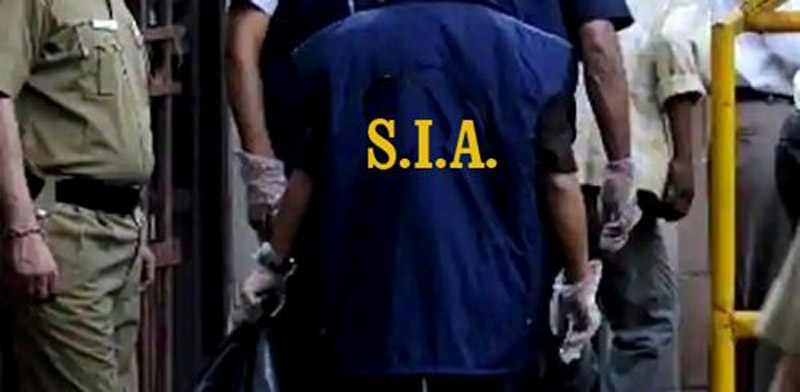
SIA Kashmir Files Chargesheet Against Two for Terror-Related Online Propaganda
The State Investigation Agency (SIA) Kashmir has filed a chargesheet against two individuals allegedly involved in anti-national activities linked to the banned militant outfit Hizbul Mujahideen, officials announced on Monday.
The accused have been identified as Altaf Hussain Wagay, a resident of Reban Gund Behram in Shopian district, and Shabir Ahmad Sheikh from Rampora, Qaimoh in Kulgam district. According to investigators, Sheikh is currently operating from across the border.
The case centers on the circulation of what authorities describe as “anti-national, secessionist and pro-terror content” on social media platforms. Officials said these activities were specifically aimed at radicalizing youth and disrupting public order in the Jammu and Kashmir region.
Following credible intelligence inputs, the SIA registered a formal case against the duo under FIR number 01/2025 at Police Station CIK/SIA Kashmir. The charges include relevant sections of the Unlawful Activities (Prevention) Act (UAPA), a stringent anti-terror law used to combat activities deemed threatening to national security.
The investigation has revealed a more extensive network at play, according to SIA officials. Pakistan-based banned terrorist organizations, including Lashkar-e-Taiba and Jaish-e-Mohammed, along with their associates and sympathizers, were allegedly orchestrating a coordinated campaign to spread anti-India and secessionist propaganda through both online and offline channels.
“The primary objective of these activities appears to be inciting disaffection among local populations, challenging India’s sovereignty and territorial integrity, and motivating vulnerable youth toward terrorist activities,” a senior SIA official explained.
Digital forensic experts working with the SIA identified numerous social media accounts operated under fictitious identities by the accused. Investigators believe these fake profiles were deliberately created to evade detection by security agencies while continuing to promote extremist ideologies.
During the months-long investigation, the SIA gathered substantial evidence that allegedly establishes the direct role of both Wagay and Sheikh in promoting secessionist ideology and supporting terror activities in the region.
This case highlights the evolving nature of terrorism recruitment and propaganda in Kashmir, with militant groups increasingly turning to digital platforms to radicalize youth. Security experts have noted that social media provides these groups with a low-cost, high-impact method to spread extremist messages while maintaining operational security.
The Kashmir Valley has witnessed a significant shift in terrorist recruitment tactics over the past decade, with online radicalization becoming increasingly prevalent. Traditional in-person recruitment has given way to sophisticated digital campaigns that can reach potential recruits across geographical boundaries.
Counter-terrorism officials have expressed particular concern about the targeting of young, impressionable individuals through these platforms. “The psychological manipulation employed in these online campaigns is sophisticated and designed to exploit local grievances while promoting violent extremism as a solution,” noted a security analyst familiar with the region.
The SIA has indicated that their investigation remains active, with efforts underway to identify additional suspects and possible connections to this case. Digital forensic teams are continuing to analyze electronic evidence to map out the full extent of the network.
The chargesheet filing represents a significant development in Kashmir’s ongoing counter-terrorism efforts, particularly in combating the digital front of extremist propaganda. Authorities have pledged to maintain vigilance against all forms of terrorist activities, whether physical or digital, as part of their broader security strategy for the region.
Fact Checker
Verify the accuracy of this article using The Disinformation Commission analysis and real-time sources.

9 Comments
Concerning to see the continued spread of extremist propaganda online. Authorities must remain vigilant against such harmful activities that seek to radicalize vulnerable youth. Strict enforcement of anti-terror laws is necessary to maintain public order and security.
It’s troubling to see the exploitation of social media platforms for propaganda and radicalization purposes. I hope the investigation leads to the dismantling of this network and serves as a deterrent for future such attempts.
Agreed. Prompt and decisive action is required to shut down these channels of anti-national and terror-related content.
The use of digital platforms to spread secessionist and pro-terror messaging is a concerning trend that needs to be addressed. I commend the authorities for taking proactive steps to identify and charge the perpetrators.
This is a concerning development. The use of social media to spread anti-national propaganda is a serious threat that must be addressed. I hope the investigation uncovers the full extent of this network and its activities.
Proactive steps like this chargesheet are crucial to disrupt terror-related online activities. Continued vigilance and enforcement are needed to counter such destabilizing influences.
Tackling the spread of extremist content online is a complex challenge, but the authorities seem to be taking firm action here. Upholding the rule of law and maintaining public order should be the key priorities.
While freedom of expression is important, the dissemination of secessionist and pro-terror content crosses a line. I’m glad the authorities are taking action to curb these activities and hold the perpetrators accountable under the law.
Agreed. Protecting national security and public safety should be the top priority in such cases.